





Coffee roasting business in Kenya
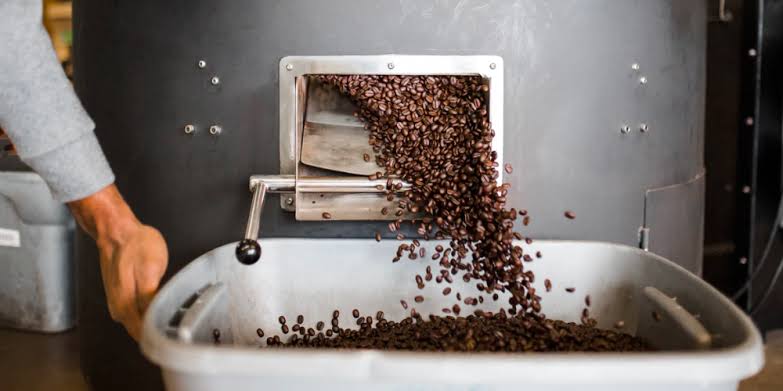
Kenya is globally recognized for producing some of the finest Arabica coffee, yet for decades most of this coffee has been exported as raw green beans. This has limited earnings for farmers and local entrepreneurs. The coffee roasting business presents a powerful opportunity to change this narrative by adding value locally, creating jobs and increasing income within the country. As domestic coffee consumption grows and specialty coffee culture expands, coffee roasting is emerging as a promising agribusiness in Kenya.
Roasting coffee locally allows entrepreneurs to capture higher margins while promoting Kenyan coffee brands both locally and internationally.
Overview of Kenya’s coffee industry
Coffee is one of Kenya’s leading cash crops, supporting over six million livelihoods directly and indirectly. It is mainly grown in counties such as Kiambu, Murang’a, Nyeri, Kirinyaga, Embu, Meru, Kericho, Bungoma and parts of Rift Valley. Kenya primarily produces high-quality Arabica varieties such as SL28, SL34, Ruiru 11 and Batian.
Recent reforms in the coffee sector have encouraged local value addition, direct marketing, and farmer empowerment. These changes have created a favorable environment for local coffee roasting businesses to thrive.
Understanding Coffee roasting as a value addition business
Coffee roasting is the process of transforming green coffee beans into roasted coffee ready for brewing. In Kenya, roasting is a critical value-addition step that significantly increases the market value of coffee compared to selling raw beans.
Roasting develops the aroma, flavor and body of coffee through controlled heating. Kenyan coffee is especially suited for specialty roasting due to its bright acidity, fruity notes, and complex flavor profiles. By roasting locally, entrepreneurs can tailor products to local tastes while preserving the unique characteristics of Kenyan coffee.
Sourcing Green Coffee Beans in Kenya
Sourcing quality green coffee beans is the foundation of a successful coffee roasting business. In Kenya, roasters can source beans directly from smallholder farmers, cooperatives, estates or licensed coffee marketers. Direct sourcing is increasingly popular as it promotes traceability, better prices for farmers, and consistent quality.
Kenya’s coffee grading system, which includes grades such as AA, AB, PB and C, helps roasters select beans based on size and quality. Ethical sourcing is also gaining importance, with consumers preferring coffee that supports fair pricing, sustainability and farmer welfare.
Equipment and setup for coffee roasting in Kenya
Starting a coffee roasting business in Kenya requires investment in appropriate equipment and infrastructure. The scale of operation determines whether a small-capacity roaster or a commercial roasting machine is needed.
Essential requirements include a coffee roasting machine, cooling trays, grinders, weighing scales and packaging equipment. The roasting facility must meet food safety standards, have proper ventilation, and comply with county government regulations.
Access to reliable electricity or alternative energy sources is important, as energy costs can significantly affect operating expensee.
Licensing and Regulatory Requirements in Kenya
Coffee roasting in Kenya is regulated to ensure quality, safety and traceability. Entrepreneurs must register their business with the Registrar of Companies and obtain relevant county government licenses.
Additionally, coffee roasters are required to be licensed by the Agriculture and Food Authority (AFA) – Coffee Directorate. Compliance with food safety standards set by the Kenya Bureau of Standards (KEBS) is also necessary, particularly for packaged coffee products.
For export-oriented roasters, additional certifications and international quality standards may apply.
Market Opportunities for Roasted Coffee in Kenya
Kenya’s domestic coffee market has grown steadily due to urbanization, changing lifestyles, and increased café culture. Coffee shops, hotels, offices, supermarkets and online platforms provide ready markets for locally roasted coffee.
Roasters can sell whole beans, ground coffee, blends, and flavored coffee products. Subscription models, direct-to-consumer sales and partnerships with cafés have become popular distribution channels.
Export markets also present opportunities, especially for specialty roasted Kenyan coffee. However, these markets demand strict quality control, consistent supply and strong brand.
Branding, Packaging, and Consumer Preferences
Branding plays a crucial role in the success of a coffee roasting business in Kenya. Consumers are increasingly interested in origin, roast level, brewing methods and sustainability stories behind their coffee.
Packaging must preserve freshness while meeting KEBS labeling requirements. Clear information on origin, roast profile, and brewing instructions helps build trust and brand loyalty. Kenyan roasters who highlight traceability and farmer partnerships often attract premium buyers.
Challenges facing coffee roasting businesses in Kenya
Despite its potential, the coffee roasting business in Kenya faces several challenges. Fluctuating coffee bean prices, high energy costs, and competition from imported brands can affect profitability. Access to affordable financing and modern roasting equipment remains a barrier for many startups.
In addition, maintaining consistent quality requires technical skills and experience. Continuous training, quality control and market research are essential for long-term success.
The coffee roasting business in Kenya offers a strategic opportunity to increase local value addition, create employment and strengthen the country’s coffee brand. By sourcing quality beans, investing in proper equipment, complying with regulations,and building strong brands, entrepreneurs can tap into the growing demand for locally roasted Kenyan coffee.
As Kenya continues to reform its coffee sector and promote domestic consumption, coffee roasting stands out as a high-impact agribusiness capable of transforming livelihoods and maximizing the true value of Kenyan coffee.

Author: Moureen Koech
Moureen Koech is a passionate Digital Journalist, an adept Agribusiness Writer with a keen eye for news and an impactful story-teller,whose stories provide key value to Agripreneurs and stakeholders in the Agricultural sector


