Digital agriculture tools are rapidly changing the way farming is done around the world. These tools use modern technology such as mobile applications, sensors, data analysis, and internet platforms to help farmers improve productivity, efficiency and decision-making. As agriculture faces challenges such as climate change, increasing food demand and limited resources, digital solutions are becoming essential for modern farming.
For farmers and agripreneurs, digital agriculture tools offer new opportunities to manage farms more effectively, reduce costs, and increase profits. Even small-scale farmers can benefit from these technologies by accessing information, monitoring crops, and connecting with markets through digital platforms.
Understanding digital agriculture
Digital agriculture refers to the use of digital technologies and data-driven tools to improve agricultural practices. These technologies help farmers collect and analyze information about their farms, crops, and livestock.
With digital agriculture, farmers can monitor weather conditions, track soil health, manage irrigation systems, and detect pests or diseases earlier. This allows them to make better decisions that lead to improved crop yields and better farm management.
Digital agriculture also helps reduce waste, conserve resources, and increase efficiency in farming operations.
Mobile applications for farmers
Mobile technology has become one of the most important digital tools in agriculture. Many farmers now use smartphones to access agricultural information and services.
Mobile applications can provide farmers with weather forecasts, crop management advice, pest control recommendations and market price updates. This information helps farmers plan their activities more effectively and avoid losses caused by unpredictable weather or market changes.
Some applications also allow farmers to communicate with agricultural experts, extension officers, and other farmers. This improves knowledge sharing and helps farmers solve problems quickly.
Digital market platforms
One of the major challenges farmers face is finding reliable markets for their produce. Digital market platforms help solve this problem by connecting farmers directly with buyers.
Through online platforms, farmers can advertise their products, negotiate prices and sell produce without relying entirely on middlemen. These platforms also help farmers access larger markets beyond their local communities.
Digital marketplaces increase transparency in pricing and create more opportunities for farmers to earn better income from their agricultural products.
Precision farming technologies
Precision farming is an advanced approach that uses digital tools to manage farms more accurately. These technologies collect data about soil conditions, crop health and weather patterns.
Farmers can use this information to apply fertilizers, water and pesticides only where they are needed. This improves efficiency and reduces unnecessary input costs.
Precision agriculture also helps protect the environment by minimizing the overuse of chemicals and conserving natural resources.
Farm management software
Farm management software is another important digital agriculture tool. These systems help farmers organize and monitor different aspects of their farm operations.
Farmers can use digital platforms to record planting schedules, track expenses, monitor crop growth, and manage labor activities. Having accurate records allows farmers to analyze their performance and make better business decisions.
Farm management software is especially useful for commercial farmers and agribusiness owners who need to manage large farming operations.
Sensors and smart farming technology
Sensors are increasingly used in modern farming to collect real-time data from farms. These devices can monitor soil moisture, temperature, humidity and crop conditions.
For example, soil moisture sensors help farmers determine when irrigation is necessary, preventing both overwatering and water shortages. This improves water management and supports sustainable farming practices.
Smart farming technologies allow farmers to respond quickly to changes in farm conditions, improving productivity and crop health.
Digital financial services for farmers
Access to financial services is essential for farmers who want to invest in better seeds, fertilizers and farming equipment. Digital financial tools such as mobile banking and digital payment systems have made it easier for farmers to manage money and access financial services.
Farmers can now receive payments for their produce, save money and even apply for loans through digital platforms. These services help farmers grow their businesses and improve their financial stability.
Benefits of digital agriculture tools
Digital agriculture tools offer several benefits to farmers and agribusiness entrepreneurs. One of the main advantages is improved productivity because farmers can make informed decisions based on accurate data.
These tools also help reduce production costs by improving resource management. Farmers can use inputs more efficiently and avoid unnecessary expenses.
Another important benefit is improved market access. Digital platforms connect farmers with buyers, suppliers and financial institutions, making it easier to conduct agricultural business.
Additionally, digital agriculture supports sustainable farming by helping farmers conserve water, reduce chemical use, and manage land more responsibly.
The future of digital agriculture
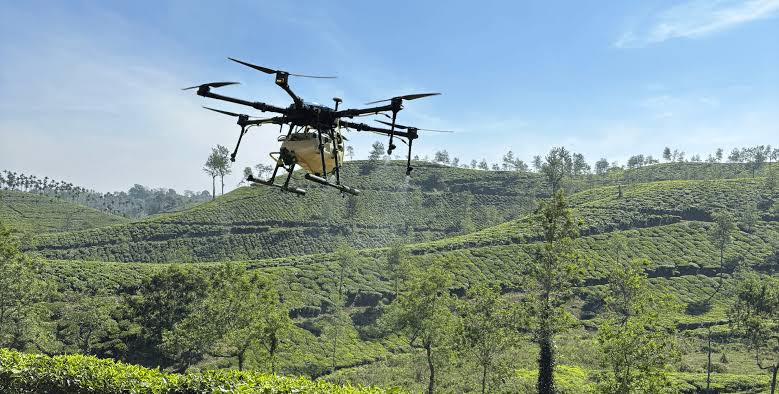
As technology continues to advance, digital agriculture will play an even greater role in food production. Innovations such as artificial intelligence, satellite monitoring and drone technology are expected to further transform agriculture.
These technologies will provide farmers with more precise information and automated solutions that improve farm management. Governments, agricultural organizations, and private companies are increasingly investing in digital agriculture to support farmers and strengthen food systems.
For farmers and agripreneurs willing to adopt new technologies, digital agriculture offers exciting opportunities for growth and innovation.
Digital agriculture tools are transforming traditional farming into a more efficient, productivevand sustainable industry. By using mobile applications, digital marketplaces, sensors and farm management software, farmers can make better decisions and improve their agricultural operations.
As access to technology continues to expand, more farmers are expected to benefit from digital agriculture solutions. Embracing these tools can help farmers increase productivity, access better markets and build stronger agribusinesses for the future.

Author: Moureen Koech
Moureen Koech is a passionate Digital Journalist, an adept Agribusiness Writer with a keen eye for news and an impactful story-teller,whose stories provide key value to Agripreneurs and stakeholders in the Agricultural sector