





Gen Z : How to adapt to the next generation of Consumers and Workers
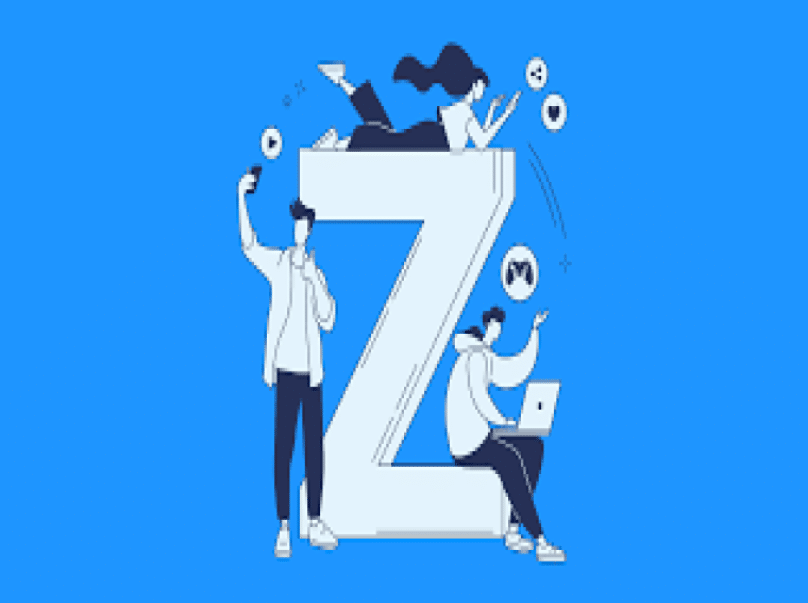
Gen Z—those born between 1997 and 2012 are no longer just teenagers posting on TikTok. They are consumers, creators, employees and entrepreneurs and they are reshaping the business landscape in ways that no previous generation has.
With unique values, digital fluency and a new approach to work and consumption, Gen Z is forcing businesses to rethink everything from marketing to company culture.
Who is Gen Z and why should businesses care?
Gen Z is the most ethnically diverse, digitally connected and socially aware generation in history. As of 2025, they make up over 30% of the global population and are expected to represent a significant share of global spending power estimated to reach over $4.4 trillion in the next few years.
Unlike millennials who witnessed the digital revolution, Gen Z was born into it. This gives them radically different expectations about communication, brand engagement, work and values.
If your business isn’t paying attention to Gen Z, you’re already falling behind.
1. Gen Z demands authenticity and transparency
Forget polished ads and corporate speak, Gen Z wants realness. They value authentic storytelling, raw behind-the-scenes content, and brands that show vulnerability. They’re quick to spot performative marketing and won’t hesitate to call out brands that fail to align their words with their actions.
What You Should Do:
- Show the human side of your business: use UGC (user-generated content), employee stories, and founder insights.
- Address mistakes honestly. Gen Z forgives brands that own up and take responsibility.
- Don’t just say you’re “inclusive” or “green”—prove it with actions and data.
2. Gen Z Is Redefining Work Culture
Gen Z employees aren’t just looking for a paycheck—they want purpose, flexibility, and mental well-being. A 2024 Deloitte study revealed that over 70% of Gen Z workers prioritize work-life balance and mental health when choosing an employer.
They also value autonomy, prefer asynchronous work environments, and are open to side hustles and multiple income streams.
How to Adapt:
- Offer remote or hybrid work options with clear boundaries.
- Support mental health initiatives and provide access to wellness programs.
- Embrace freelance, part-time or gig-based work models when possible.
3. They’re Mobile-First (But Not Mobile-Only)
While Gen Z is known for their mobile habits, they expect seamless experiences across devices. Whether shopping, browsing, or interacting with customer service, they want fast, intuitive and personalized digital experiences.
If your business isn’t optimized for mobile, you risk losing this generation altogether.
Business Tips:
- Ensure your website and e-commerce store are mobile responsive and fast-loading.
- Invest in conversational commerce, use chatbots, WhatsApp Business or Instagram DMs.
- Use interactive content like polls, short-form video and quizzes to engage them.
4. Social Commerce and Creator influence is huge
Gen Z doesn’t just follow influencers, they follow creators they relate to. They’re more likely to trust micro and nano influencers than celebrities. Moreover, platforms like TikTok, YouTube Shorts and Instagram Reels drive their purchase decisions more than traditional advertising.
Strategy Shift:
- Collaborate with micro-influencers and niche content creators.
- Create short-form, engaging, and educational video content.
- Explore live shopping, affiliate programs, and UGC campaigns to boost trust.
5. They support brands that take a stand
Gen Z cares deeply about social justice, climate change, diversity and equality. They expect brands to not only talk the talk but walk the walk. Businesses that remain silent on social issues may be perceived as complicit or outdated.
However, Gen Z also scrutinizes whether your actions are meaningful or simply PR stunts.
Action Steps:
- Align your brand with causes that reflect your values and take consistent action.
- Support local communities, reduce your carbon footprint, and prioritize ethical sourcing.
- Share impact reports or updates publicly to build trust.
Gen Z isn’t just a passing trend, they are the future of the economy. Businesses that adapt to their behaviors, expectations and values will thrive in the new era of commerce. Those that cling to outdated models and ignore these shifts will struggle to connect, grow or even survive.
Start by listening, learning and evolving. The Gen Z consumer and employee isn’t waiting, they’re already building and buying from the brands that get it.

Author: Moureen Koech
Moureen Koech is a passionate Digital Journalist, an adept Agribusiness Writer with a keen eye for news and an impactful story-teller,whose stories provide key value to Agripreneurs and stakeholders in the Agricultural sector


