Greenhouse farming has revolutionized modern agriculture by enabling farmers to grow high-value crops in a controlled environment regardless of seasonal weather conditions. Crops such as tomatoes, capsicums, cucumbers, lettuce, herbs and strawberries thrive in greenhouses because they are protected from excessive rainfall, strong winds, pests and extreme temperatures. However, maintaining the right growing conditions inside a greenhouse requires more than irrigation and fertilization. One of the most critical factors for successful greenhouse production is proper ventilation.
Greenhouse ventilation involves the continuous exchange of warm, stale air inside the structure with cooler, fresh air from outside. Good airflow helps regulate temperature, humidity and carbon dioxide levels while reducing the risk of pests and diseases. Poor ventilation can lead to excessive heat buildup, high humidity, weak plant growth, poor pollination and significant yield losses. By understanding and applying effective ventilation practices, farmers can create an ideal environment that supports healthy crops and higher productivity.
Why greenhouse ventilation is important
Plants require a balanced environment to grow efficiently. During the day, sunlight entering the greenhouse raises the internal temperature rapidly. Without proper ventilation, temperatures can rise to levels that stress plants, reduce photosynthesis and slow growth.
Ventilation also removes excess humidity produced through plant transpiration and irrigation. High humidity encourages fungal diseases such as powdery mildew, gray mold and downy mildew, which can spread rapidly in enclosed spaces. Fresh air circulation also supplies carbon dioxide, an essential component for photosynthesis, allowing plants to produce more energy for growth and fruit development.
Proper ventilation creates a healthier growing environment, improves crop quality, and increases overall farm profitability.
Install adequate roof and side vents
Natural ventilation is one of the simplest and most cost-effective methods of maintaining good airflow inside a greenhouse. Roof vents allow hot air, which naturally rises, to escape from the greenhouse, while side vents allow cooler outside air to enter.
When both roof and side vents are open, fresh air flows naturally through the greenhouse, replacing warm, humid air. This process helps maintain suitable temperatures without relying heavily on mechanical cooling systems.
For maximum effectiveness, vents should be positioned strategically to encourage continuous air movement throughout the entire greenhouse.
Use exhaust fans for better air circulation
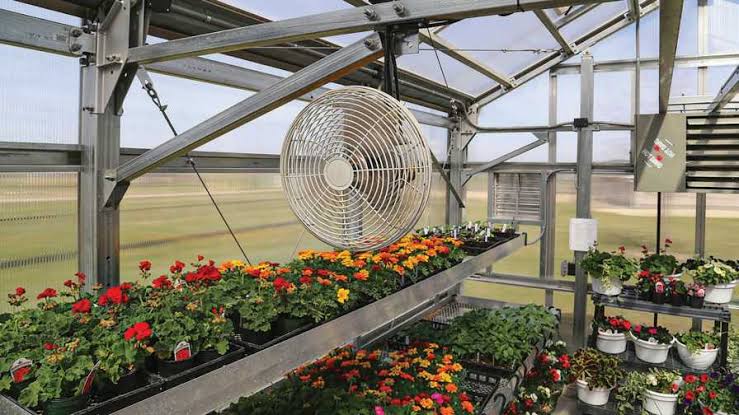
Mechanical ventilation becomes especially important in larger greenhouses or areas with very hot climates where natural airflow may not be sufficient.
Exhaust fans remove hot air from inside the greenhouse while drawing cooler air through the intake openings. Properly sized fans ensure uniform air circulation and prevent the formation of hot spots where crops may experience heat stress.
Farmers should inspect fans regularly to ensure they are clean, functioning efficiently, and free from dust or debris that could reduce airflow.
Maintain optimal temperature
Different greenhouse crops require different temperature ranges for optimal growth. Most vegetables perform well at daytime temperatures between 20°C and 30°C, while nighttime temperatures should generally remain between 15°C and 20°C.
When temperatures rise above the optimum range, plants may experience heat stress, resulting in flower drop, poor fruit development, leaf scorching, and reduced yields. Monitoring greenhouse temperatures using reliable thermometers or digital sensors allows farmers to respond quickly by opening vents, operating fans, or using cooling systems.
Maintaining stable temperatures promotes healthy plant development throughout the growing season.
Control humidity levels
Humidity management is closely linked to ventilation. Excess moisture inside the greenhouse creates favorable conditions for fungal and bacterial diseases that can damage crops and reduce marketable yields.
Ventilating the greenhouse during the early morning helps remove moisture that accumulates overnight. Avoid excessive irrigation late in the day, as this leaves plants and the growing environment damp for extended periods.
Maintaining relative humidity between 60% and 80% is suitable for many greenhouse vegetables, although requirements may vary depending on the crop.
Avoid overcrowding plants
Plant spacing has a significant influence on airflow inside the greenhouse. Overcrowded crops restrict air movement, trap humidity, and create ideal conditions for disease outbreaks.
Following the recommended spacing for each crop allows air to circulate freely around the plants, reducing moisture accumulation on leaves and stems. Adequate spacing also ensures better light penetration, making photosynthesis more efficient and improving crop quality.
Pruning excess foliage, especially in crops such as tomatoes and cucumbers, further enhances ventilation around the plants.
Install shade nets during hot weather
In regions experiencing intense sunlight, greenhouse temperatures can rise rapidly even with proper ventilation. Shade nets help reduce solar heat entering the greenhouse while still allowing sufficient light for plant growth.
Using shade nets during the hottest months minimizes heat stress, prevents leaf scorching and reduces water loss through excessive transpiration. Selecting the appropriate shade percentage depends on the crop being grown and local climatic conditions.
Shade nets work best when combined with effective ventilation systems.
Keep the greenhouse clean
A clean greenhouse supports efficient ventilation and healthier crop production. Dust, weeds, old plant debris, and unnecessary equipment can obstruct airflow and provide breeding sites for pests and disease-causing organisms.
Regular cleaning improves air circulation while reducing the spread of fungal spores and harmful insects. Removing diseased plants immediately also prevents infections from spreading to healthy crops.
Routine greenhouse sanitation should be an essential part of every farm management program.
Monitor weather conditions
Weather conditions outside the greenhouse influence ventilation decisions. On extremely windy days, opening vents fully may expose crops to strong drafts that can damage tender plants. During heavy rainfall, partially closing vents helps prevent rainwater from entering the greenhouse while still allowing adequate airflow.
Using weather forecasts enables farmers to adjust ventilation strategies according to changing environmental conditions, protecting crops from sudden weather extremes.
Use automated ventilation systems
Modern greenhouse technology allows farmers to automate ventilation using sensors and climate control systems. Automated systems monitor temperature, humidity, and other environmental conditions before opening or closing vents and activating fans as needed.
Although automation requires a higher initial investment, it improves environmental control, reduces labor requirements, conserves energy and enhances crop consistency. Automated ventilation is particularly beneficial for large-scale commercial greenhouse operations.
Inspect ventilation systems regularly
Even the best-designed ventilation system requires regular maintenance. Farmers should inspect vents, fans, insect screens, motors, and cooling equipment frequently to ensure they function efficiently.
Blocked vents, damaged fans, or torn insect screens can reduce airflow, increase temperatures and expose crops to pests. Prompt repairs help maintain optimal growing conditions and prevent costly production losses.
Proper greenhouse ventilation is one of the most important factors influencing crop health, productivity and profitability. Effective airflow regulates temperature, controls humidity, supplies fresh carbon dioxide, reduces disease pressure and creates an ideal environment for plant growth.
By installing adequate vents, using exhaust fans where necessary, maintaining proper plant spacing, controlling humidity, monitoring temperatures, using shade nets during hot periods and regularly maintaining ventilation systems, farmers can significantly improve greenhouse performance. Investing in proper ventilation not only protects crops from environmental stress but also increases yields, enhances produce quality, and ensures the long-term success of greenhouse farming.

Author: Moureen Koech
Moureen Koech is a passionate Digital Journalist, an adept Agribusiness Writer with a keen eye for news and an impactful story-teller,whose stories provide key value to Agripreneurs and stakeholders in the Agricultural sector