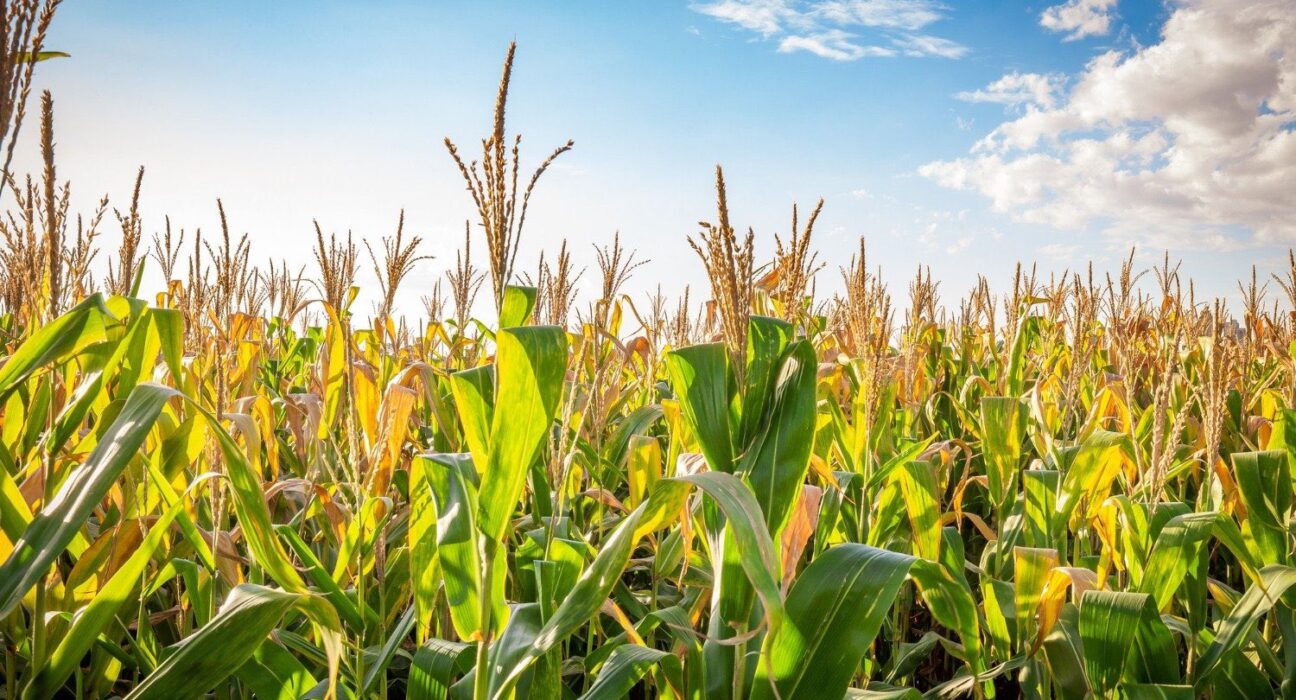
Maize is Kenya’s staple food and one of the country’s most important crops, providing food and income for millions of households. However, many farmers continue to harvest below their crop’s potential due to poor agronomic practices, declining soil fertility and unpredictable weather patterns. While factors such as climate and pests can affect production, adopting simple but effective farming practices can significantly increase maize yields.
The good news is that achieving a higher maize harvest does not always require expensive technologies. By focusing on quality seed, proper planting techniques, soil fertility management, timely weeding, adequate nutrition and moisture conservation, farmers can improve productivity and maximize returns from every acre. Here are six practical strategies that can help boost maize yields.
1. Use certified, high-quality seeds
The journey to a successful maize harvest begins with selecting the right seed. Certified maize seeds are developed to deliver higher yields, better germination rates and improved resistance to common diseases and pests. Unlike recycled seeds saved from previous harvests, certified seeds maintain their genetic purity and are bred to perform well under different growing conditions.
Purchasing certified seeds from reputable agro-dealers ensures that farmers receive quality planting material suited to their region. Many certified maize varieties are also designed to tolerate drought, mature early or resist common diseases, making them a reliable choice for improving productivity.
Although certified seeds may cost more than recycled grain, the increased yields and better crop performance often provide much greater returns on investment.
2. Plant at the recommended spacing
Proper plant spacing is one of the simplest but most overlooked practices in maize farming. Crowded plants compete for sunlight, nutrients, water, and air circulation, resulting in weaker growth and smaller cobs.
For most maize varieties grown in Kenya, the recommended spacing is 75 centimetres between rows and 25 centimetres between plants, with one healthy plant per planting hole after thinning. This spacing provides each plant with adequate room to develop a strong root system and produce larger, well-filled cobs.
Uniform spacing also makes field management easier by improving access for weeding, fertilizer application, pest scouting and harvesting.
3. Apply compost before planting
Healthy soil is the foundation of a productive maize crop. Before planting, farmers should incorporate well-decomposed compost or farmyard manure into the soil. Compost enriches the land with essential nutrients while increasing organic matter that improves soil structure.
Organic matter helps the soil retain moisture, improves drainage and encourages beneficial microorganisms that support plant growth. Stronger root development enables maize plants to absorb nutrients more efficiently, especially during dry periods.
For farmers with access to livestock manure or composted crop residues, regular application reduces dependence on chemical fertilizers while building long-term soil fertility.
4. Weed within the first three to four weeks
Weeds are among the biggest competitors of young maize plants. During the first three to four weeks after emergence, maize seedlings are establishing their root systems and require sufficient nutrients, moisture and sunlight.
If weeds are allowed to grow during this critical stage, they compete directly with the crop for these resources, resulting in stunted plants and lower yields. Some weeds also harbor insect pests and diseases that can spread to maize plants.
Timely weeding, whether done manually, mechanically or using recommended herbicides, allows maize to grow without unnecessary competition. Keeping fields clean throughout the growing season also improves nutrient use efficiency and makes pest monitoring easier.
5. Apply nitrogen fertilizer at knee height
Nitrogen is one of the most important nutrients required by maize. It promotes vigorous vegetative growth, healthy green leaves and proper cob development.
After planting, maize requires additional nitrogen during its rapid growth stage, commonly referred to as the knee-high stage. Applying nitrogen fertilizer at this point supports strong stem development and enables the crop to produce larger, well-filled cobs.
Farmers should apply the recommended fertilizer rates based on soil test results or local agricultural extension advice. Applying fertilizer when the soil has adequate moisture improves nutrient uptake and reduces losses.
Where possible, combining organic manure with inorganic fertilizers creates a balanced nutrient supply that supports sustainable crop production.
6. Mulch to conserve soil moisture
As rainfall becomes increasingly unpredictable, conserving soil moisture has become essential for successful maize farming. Mulching involves covering the soil with organic materials such as dry grass, crop residues, leaves or other biodegradable plant materials.
Mulch reduces water evaporation from the soil surface, helping crops withstand dry spells. It also suppresses weed growth, moderates soil temperature and gradually decomposes to add valuable organic matter back into the soil.
For farmers practicing conservation agriculture, mulching is an affordable and effective way to improve soil health while maintaining adequate moisture throughout the growing season.
Additional tips for higher maize yields
Beyond these six practices, farmers can further increase maize productivity by planting at the onset of the rainy season to ensure crops receive adequate moisture during establishment. Conducting regular field inspections helps detect pests such as fall armyworm early, allowing timely intervention before serious damage occurs.
Soil testing is also highly recommended, as it helps farmers understand nutrient deficiencies and apply the correct fertilizers in the right amounts. Rotating maize with legumes such as beans, soybeans or green grams improves soil fertility through natural nitrogen fixation while breaking pest and disease cycles.
Good record-keeping is equally important. Recording planting dates, fertilizer applications, rainfall, pest outbreaks and harvest quantities helps farmers evaluate what works best and make informed decisions in future seasons.
Boosting maize yields does not always require costly investments. Success often comes from consistently applying simple, proven farming practices throughout the growing season. Using certified seeds, maintaining proper spacing, enriching the soil with compost, controlling weeds early, applying nitrogen fertilizer at the right growth stage and conserving moisture through mulching can significantly improve crop performance and harvest quality.
As climate change continues to affect agricultural production in Kenya, adopting these best practices will help farmers build resilient farming systems while increasing food security and farm profitability. Every step taken to improve soil health and crop management brings farmers closer to achieving higher maize yields and better returns from their investment.

Author: Moureen Koech
Moureen Koech is a passionate Digital Journalist, an adept Agribusiness Writer with a keen eye for news and an impactful story-teller,whose stories provide key value to Agripreneurs and stakeholders in the Agricultural sector