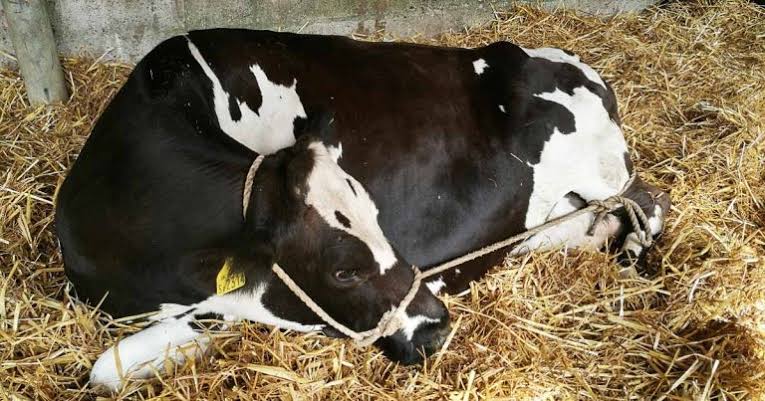
Milk fever is one of the most common metabolic disorders affecting dairy cows, especially around calving. Despite its name, milk fever does not involve an actual fever. Instead, it occurs when blood calcium levels drop too low, making it difficult for the cow’s muscles and nervous system to function normally.
The condition usually affects high-producing dairy cows shortly before or after calving when calcium demand increases rapidly for milk production. If not managed early, milk fever can reduce milk production, increase the risk of other health complications and in severe cases lead to death.
Fortunately, milk fever is largely preventable through proper feeding, monitoring and management practices.
What is milk fever in cows?
Milk fever, also known as hypocalcemia, is a condition caused by low calcium levels in the bloodstream.
During calving and early lactation, cows suddenly require large amounts of calcium to produce colostrum and milk. If the cow’s body cannot release enough calcium from bones or absorb enough from feed quickly enough, blood calcium levels fall.
This shortage affects muscle contraction and nerve function, leading to weakness and reduced body control.
Milk fever is most common in dairy cows but can occasionally occur in beef cattle.
Signs and symptoms of milk fever
Recognizing milk fever early helps prevent severe complications.
Affected cows may appear weak and reluctant to stand. They often lose appetite and become less active.
Early signs include muscle tremors, restlessness and reduced feed intake.
As the condition progresses, cows may stagger, become unable to stand or lie with the head turned toward the side.
Severe cases may lead to cold ears, reduced body temperature, bloating and eventual collapse.
Immediate attention is important because delayed treatment increases risks.
Why milk fever happens
Milk fever develops because of sudden changes in calcium demand.
Around calving, milk production begins rapidly and requires large amounts of calcium.
If the cow has not developed efficient calcium regulation mechanisms before calving, blood calcium drops.
Older cows are generally more vulnerable because their ability to mobilize calcium from bones decreases with age.
High-producing dairy breeds also face greater risk because of higher milk output.
Nutritional management before calving strongly influences prevention.
Feed the right diet before calving
Nutrition during the transition period is one of the most effective ways to prevent milk fever.
The dry period diet should prepare the cow’s body to respond quickly to increased calcium needs after calving.
Excessive calcium intake before calving may reduce the cow’s natural ability to release calcium from body reserves.
Farmers should work toward balanced mineral nutrition that encourages efficient calcium regulation.
Managing nutrition several weeks before calving improves adaptation to lactation.
Avoid excess calcium during the dry period
Many farmers mistakenly assume feeding more calcium before calving prevents milk fever.In reality, excessive calcium before calving may increase risk.
When cows consume too much calcium during the dry period, the body becomes less efficient at mobilizing calcium when demand suddenly rises.Controlled calcium intake before calving helps stimulate natural hormone responses responsible for calcium release.
Balanced feeding programs are more effective than excessive supplementation.
Maintain proper mineral balance
Mineral balance is critical for reducing milk fever risk.
Magnesium plays an important role because it supports calcium metabolism and helps maintain normal calcium regulation.A deficiency in magnesium may reduce the cow’s ability to maintain healthy calcium levels.
Potassium and sodium levels should also be managed carefully because excessive amounts may interfere with calcium mobilization.
Balanced mineral nutrition supports smoother transition into lactation.
Use quality forage
Forage quality affects mineral intake and overall cow health.
Some forages naturally contain high mineral levels that may increase milk fever risk if not managed properly.
Farmers should pay attention to forage quality and maintain balanced feeding programs during the dry period.
High-quality roughage supports digestion and improves nutrient utilization.Combining quality forage with proper mineral management contributes to healthier cows.
Monitor high-risk cows closely
Certain cows require closer observation.
Older cows, high-producing animals and cows with a history of milk fever are often at greater risk.
Monitoring these animals before and after calving allows early detection of warning signs.Regular body condition assessments and feeding adjustments improve prevention.
Close observation during the first days after calving is especially important.
Maintain appropriate body condition
Overconditioned cows may face greater health challenges around calving.
Cows should maintain moderate body condition throughout the dry period.Excess body fat may reduce feed intake before calving and increase metabolic stress.
Proper nutrition and controlled feeding help maintain ideal body condition.
Healthy cows adapt more efficiently to milk production demands.
Encourage good feed intake
Reduced feed intake before calving increases milk fever risk.
Farmers should provide clean feed, comfortable housing and low-stress conditions to encourage consumption.
Adequate energy and nutrient intake support calcium metabolism and improve transition into lactation.
Fresh water should always be available to maintain hydration and support overall health.Consistent feeding schedules improve feed intake and reduce stress.
Reduce stress around calving
Stress affects appetite, metabolism and overall health.
Transport, overcrowding, sudden dietary changes and poor housing conditions may increase vulnerability to milk fever.
Providing calm environments and minimizing disruptions supports healthier transitions into lactation.
Comfortable bedding and clean calving areas improve cow welfare.
Lower stress levels support better feed intake and nutrient balance.
Seek veterinary support when needed
Farmers should involve veterinary professionals in transition cow management programs.
Veterinarians can help evaluate feeding strategies, identify risk factors and recommend preventive approaches.
Early intervention improves outcomes and reduces losses.Professional support is particularly valuable for farms experiencing repeated milk fever cases.
Preventive herd management often produces better results than emergency treatment.
Economic impact of milk fever
Milk fever can significantly reduce dairy farm profitability.
Affected cows often experience lower milk production, delayed recovery, and increased treatment costs.
The condition may also increase the risk of secondary problems such as retained placenta, mastitis and reproductive disorders.
Preventing milk fever improves productivity and lowers veterinary expenses.
Healthy cows contribute to stronger farm performance.
Milk fever is a serious but largely preventable condition in dairy cows.
The condition occurs when blood calcium levels fall rapidly around calving, affecting muscle and nerve function.
Prevention depends on proper transition feeding, balanced mineral management, quality forage, controlled calcium intake, and close monitoring of cows during the calving period.
Farmers who focus on nutrition, stress reduction and early observation can significantly reduce milk fever cases and maintain healthier, more productive dairy herds.

Author: Moureen Koech
Moureen Koech is a passionate Digital Journalist, an adept Agribusiness Writer with a keen eye for news and an impactful story-teller,whose stories provide key value to Agripreneurs and stakeholders in the Agricultural sector