Efficient irrigation is key to sustainable farming, healthy plants and higher yields. With unpredictable weather patterns and increasing water scarcity, smart water management is more important than ever.
Whether you’re a smallholder farmer or managing a large farm, these important irrigation tips will help you conserve water, reduce costs and boost productivity.
Use efficient irrigation systems
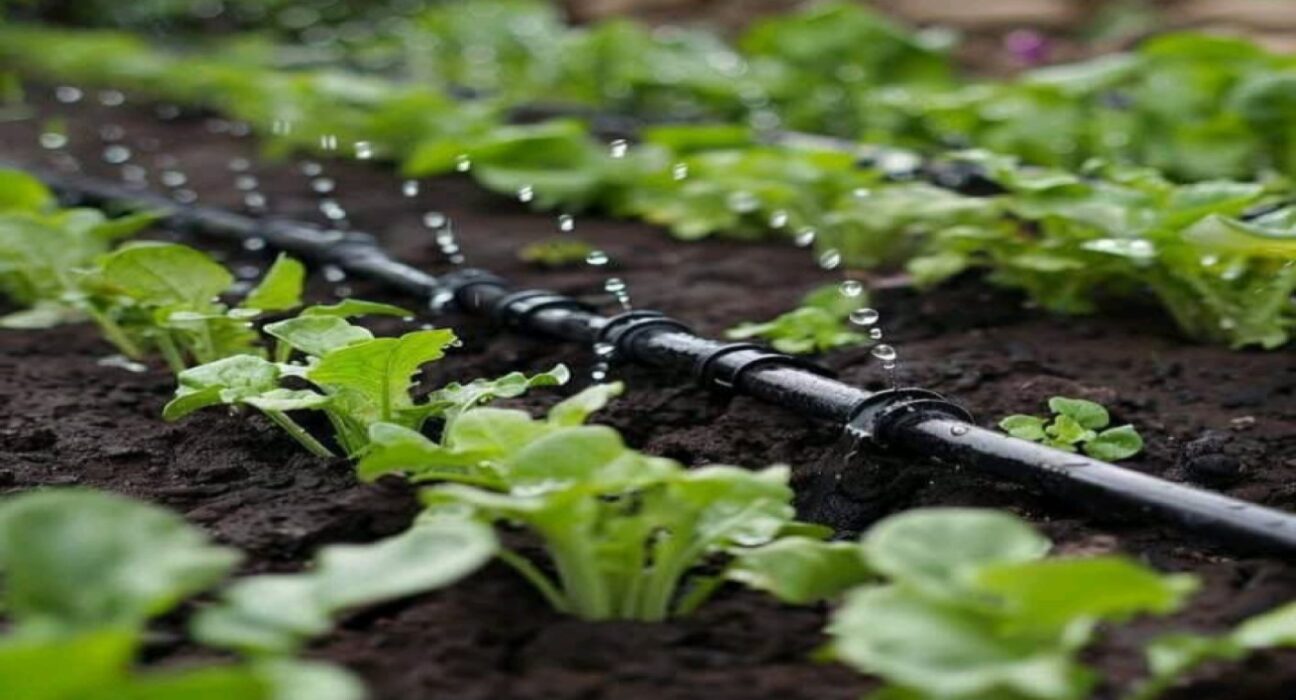
Not all irrigation systems are created equal. Traditional overhead sprinklers often waste a lot of water through evaporation and runoff. Instead, opt for drip irrigation or micro-sprinklers, which deliver water directly to the plant roots where it’s needed most.
Drip systems are particularly efficient because they minimize water loss, reduce weed growth, and prevent diseases caused by excess moisture on the leaves. They also save energy and fertilizer when used with fertigation systems (mixing fertilizer with irrigation water).
Schedule irrigation wisely
Timing is everything when it comes to irrigation. Water your crops early in the morning or late in the evening, when temperatures are cooler and evaporation rates are lower.
This simple adjustment helps maximize water absorption by plant roots and ensures that your crops stay hydrated for longer. Avoid watering during the hottest part of the day, as much of the water will evaporate before it benefits the plants.
Monitor soil moisture regularly
Knowing when and how much to irrigate is crucial. Overwatering can suffocate roots and cause nutrient leaching, while under-watering can stunt plant growth. To avoid these issues, regularly monitor your soil’s moisture levels.
You can use moisture sensors, tensiometers or even simple methods like inserting your finger or a wooden stick into the soil to feel its dampness. This helps you determine whether your crops truly need watering.
Mulch your crops
Mulching is one of the most effective and affordable ways to retain soil moisture. Apply a layer of organic mulch such as dry grass, leaves, straw or compost around the base of your plants.
Mulch acts as a natural barrier, reducing evaporation, preventing weed growth and keeping the soil temperature stable. Over time, it breaks down and enriches your soil with nutrients, improving overall fertility and structure.
Implement water-saving techniques
Smart water management doesn’t stop with irrigation systems. Consider rainwater harvesting, where you collect and store rainwater from rooftops or catchment areas for later use in your fields.
Additionally, use water-efficient irrigation nozzles and adjust irrigation schedules based on weather forecasts. On cooler or rainy days, you can reduce watering frequency to conserve water.
These techniques not only save water but also lower your operational costs and help the environment.
Practice crop rotation and companion planting
Your irrigation efficiency can improve significantly through crop rotation and companion planting. Different crops have varying water needs rotating them helps balance water usage and improves soil health.
For instance, pairing deep-rooted plants with shallow-rooted ones ensures better water distribution in the soil profile. Companion planting also helps reduce pest attacks and supports biodiversity in your garden or farm.
Improve soil quality
Healthy soil holds water better and releases it slowly to plant roots. To enhance water retention, increase your soil’s organic matter by adding compost, manure or organic fertilizers.
Well-structured soil improves infiltration, reduces runoff, and allows roots to penetrate deeply for better nutrient and water absorption. This means you’ll need to irrigate less frequently while maintaining optimal plant growth.
Monitor and repair leaks promptly
A small leak in your irrigation system can waste hundreds of liters of water over time. Make it a habit to inspect your irrigation pipes, hoses and emitters regularly.
Fix any leaks, blockages or broken fittings immediately to prevent unnecessary water loss. Routine maintenance ensures your irrigation system remains efficient and reliable throughout the growing season.
Effective irrigation isn’t just about watering your crops , it’s about using water wisely.
Remember, every drop counts and when managed well, it can make the difference between an average harvest and an abundant one.

Author: Moureen Koech
Moureen Koech is a passionate Digital Journalist, an adept Agribusiness Writer with a keen eye for news and an impactful story-teller,whose stories provide key value to Agripreneurs and stakeholders in the Agricultural sector