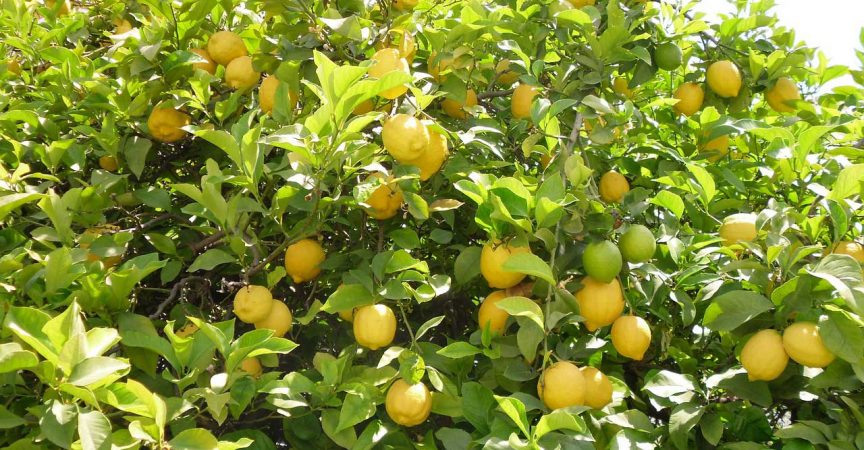
Lemon farming is a profitable and sustainable agribusiness venture, especially in tropical and subtropical regions. With increasing demand for fresh fruits, juice and value-added products, lemons offer farmers a reliable source of income throughout the year. Their versatility in culinary, medicinal and industrial uses makes them a valuable crop for both local and export markets. For farmers looking to venture into fruit farming or diversify their operations, lemon cultivation presents a strong opportunity.
Understanding lemon farming as a business
Lemon farming is not just about planting trees and harvesting fruits; it is a long-term investment that requires planning, patience, and proper management. Lemon trees can remain productive for many years, often up to 20 years or more, making them a sustainable source of income once established.
The profitability of lemon farming depends on factors such as variety selection, farm management practices, access to markets and post-harvest handling. Farmers who focus on quality production and consistent supply are more likely to secure better prices and long-term buyers.
Climate and soil requirements
Lemons grow best in warm climates with plenty of sunlight. The ideal temperature range for lemon farming is between 20°C and 30°C. Extreme cold or frost can damage flowers and fruits, while excessive heat can cause fruit drop and reduce quality.
The crop thrives in well-drained soils rich in organic matter. Sandy loam soils are ideal because they allow proper root development and prevent waterlogging. The recommended soil pH for lemon farming is between 5.5 and 7.5. Before planting, farmers should conduct soil testing to determine nutrient levels and make necessary amendments.
Choosing the right lemon varieties
Selecting the right variety is crucial for success in lemon farming. Farmers should choose varieties that are high-yielding, disease-resistant, and suitable for their local climate. Some popular commercial lemon varieties include Eureka, Lisbon and Meyer lemons.
The choice of variety may also depend on the target market. For example, some markets prefer larger fruits with thicker skins, while others demand juicy lemons with high acidity. Understanding market preferences helps farmers make informed decisions.
Land preparation and planting
Proper land preparation is essential for establishing a productive lemon orchard. The land should be cleared, ploughed, and leveled to create suitable planting conditions. Planting holes should be dug in advance and filled with a mixture of topsoil and well-decomposed manure.
Lemon trees are usually propagated through grafting to ensure uniformity and early fruiting. The recommended spacing between trees is about 4 to 6 meters, depending on the variety and farming system. Proper spacing allows adequate sunlight penetration, air circulation and room for growth.
Planting should ideally be done at the beginning of the rainy season to ensure that young trees establish well. In irrigated systems, planting can be done at any time of the year.
Irrigation and nutrient management
Water is a critical factor in lemon farming, especially during the early stages of growth and fruit development. Young trees require frequent watering to establish strong roots, while mature trees need consistent moisture for optimal fruit production.
Drip irrigation is highly recommended as it provides efficient water use and reduces wastage. Overwatering should be avoided, as it can lead to root diseases and poor fruit quality.
Lemon trees require a balanced supply of nutrients, including nitrogen, phosphorus, and potassium. Organic manure, compost, and appropriate fertilizers should be applied regularly to maintain soil fertility. Micronutrients such as zinc and magnesium are also important for healthy growth and fruit development.
Pruning and orchard management
Pruning is an important practice in lemon farming that helps maintain tree shape, improve air circulation, and enhance fruit production. Farmers should remove dead, diseased or overcrowded branches to encourage healthy growth.
Weed control is also essential, especially in the early stages of orchard establishment. Weeds compete with trees for nutrients and water, reducing overall productivity. Mulching can help suppress weeds and conserve soil moisture.
Good orchard management practices, such as regular monitoring and timely interventions, ensure that trees remain healthy and productive.
Pest and disease control
Lemon trees are susceptible to several pests and diseases that can affect yield and fruit quality. Common pests include aphids, citrus leaf miners and fruit flies. These pests can damage leaves, flowers, and fruits, leading to reduced production.
Diseases such as citrus canker, root rot, and powdery mildew are also common in lemon farming. Farmers should adopt integrated pest management strategies that combine cultural practices, biological control and responsible use of pesticides.
Maintaining proper sanitation in the orchard, using certified planting materials and practicing crop rotation can significantly reduce the risk of pest and disease outbreaks.
Harvesting and post-harvest handling
Lemon trees typically start producing fruits within 2 to 3 years after planting, depending on the variety and management practices. Fruits are ready for harvest when they reach the desired size and develop a characteristic color.
Harvesting should be done carefully to avoid damaging the fruits or the tree. Using proper tools and handling techniques helps maintain fruit quality.
After harvesting, lemons should be sorted, graded and stored in a cool, dry place. Proper post-harvest handling extends shelf life and ensures that the fruits meet market standards. Packaging also plays a key role in maintaining quality during transportation.
Marketing and Value Addition
Marketing is a critical aspect of lemon farming. Farmers can sell their produce in local markets, supermarkets or directly to processors and exporters. Establishing reliable market channels ensures consistent income.
Value addition offers additional income opportunities. Lemons can be processed into juice, essential oils or preserved products such as pickles. These products often fetch higher prices compared to raw fruits.
Farmers can also explore branding and packaging to differentiate their products in competitive markets.
Challenges and opportunities in lemon farming
Like any agribusiness, lemon farming comes with challenges such as pests and diseases, fluctuating market prices and climate variability. However, these challenges can be managed through proper planning, diversification and adoption of modern farming practices.
The growing demand for natural and organic products presents a significant opportunity for lemon farmers. With proper management and market access, lemon farming can be a highly rewarding venture.
Lemon farming is a promising agribusiness that offers long-term income and sustainability. By understanding the requirements of the crop, adopting good farming practices, and focusing on market needs, farmers can achieve high productivity and profitability.
Whether you are a beginner or an experienced farmer, investing in lemon farming can open up new opportunities for growth in the agricultural sector. With dedication and proper management, a lemon orchard can become a valuable and reliable source of income for many years.

Author: Moureen Koech
Moureen Koech is a passionate Digital Journalist, an adept Agribusiness Writer with a keen eye for news and an impactful story-teller,whose stories provide key value to Agripreneurs and stakeholders in the Agricultural sector