


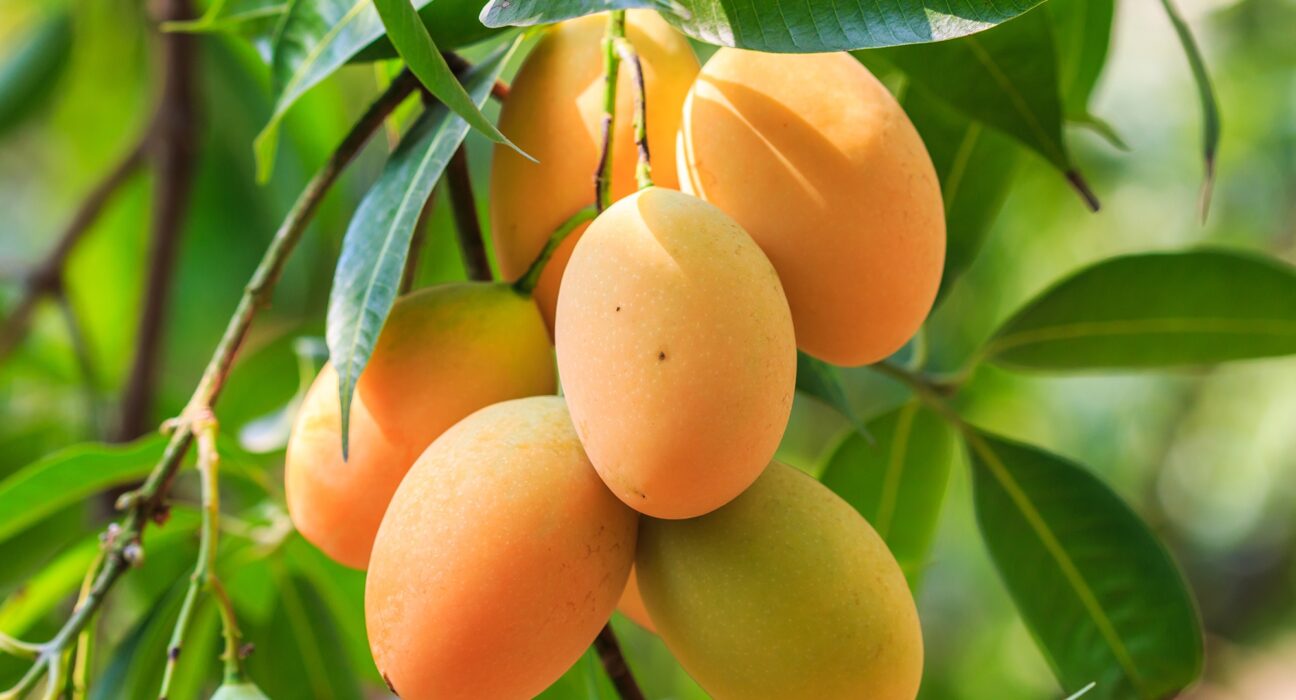
Mango farming is rapidly gaining attention as a high-value agribusiness with strong local and international demand. Known as the “king of fruits,” mangoes are widely consumed fresh and processed into juice, dried slices, pulp and puree. With proper orchard management and access to export markets, mango production can generate substantial income for farmers and agripreneurs.
As global demand for tropical fruits continues to grow, mango export opportunities are expanding, particularly in Europe, the Middle East, and Asia. For farmers in suitable climates, mango farming offers long-term profitability and scalable growth.
Why mango farming is a promising business
Mango trees are hardy, adaptable and productive when well managed. Once established, a mango orchard can remain productive for 20 to 30 years or more. This makes mango farming a long-term investment rather than a short seasonal venture.
Mangoes thrive in tropical and subtropical climates with moderate rainfall and well-drained soils. With improved grafted varieties, farmers can begin harvesting within 2 to 4 years, significantly reducing the waiting period compared to traditional seed-grown trees.
In addition, mangoes have:
- High consumer demand
- Strong export value
- Multiple value addition opportunities
- Good shelf life with proper handling
These factors make mango farming attractive for both smallholder and commercial growers.
Popular mango varieties for export
Choosing the right mango variety is critical for export success. Export markets demand uniform size, appealing color, sweetness and extended shelf life.
Some of the most popular export varieties include:
Kent
Kent mangoes are highly preferred in European markets due to their sweetness, low fiber content, and attractive red blush. They are ideal for fresh export.
Tommy Atkins
This variety is widely exported because of its durability and long shelf life. Although slightly fibrous, it handles transport well.
Keitt
Keitt mangoes are large, juicy and suitable for both fresh markets and processing.
Apple mango
Common in East Africa, Apple mango is popular in local and regional markets.
Farmers targeting export markets should select varieties recommended by exporters and horticultural authorities in their country.
Requirements for successful mango farming
Climate and Soil
Mangoes require warm temperatures between 24°C and 30°C. They perform best in well-drained sandy loam soils with a pH of 5.5 to 7.5. Waterlogged soils can damage roots and reduce productivity.
Planting and Spacing
Grafted seedlings from certified nurseries ensure true-to-type fruit and early production. Proper spacing, usually 8 to 10 meters between trees, allows sunlight penetration and air circulation.
High-density planting systems are also gaining popularity for commercial orchards, enabling more trees per acre and higher early yields.
Irrigation and Nutrition
Although mango trees tolerate dry conditions, irrigation during flowering and fruit development improves yield and fruit size.
Balanced fertilization is essential. Nutrient management should be based on soil testing to ensure optimal growth and fruit quality.
Pest and disease management
Export-quality mangoes must be free from pests and diseases. Common challenges include fruit flies, powdery mildew and anthracnose.
Integrated pest management strategies, proper pruning, and orchard hygiene help maintain healthy trees and meet export standards.
Post-Harvest handling and quality control
Export markets have strict quality requirements. Proper harvesting at the correct maturity stage is critical.
After harvesting, mangoes should be:
- Cleaned and sorted
- Graded by size and quality
- Treated against fruit flies if required
- Properly packed in ventilated cartons
- Stored at recommended temperatures
Cold chain management is essential to maintain freshness during transportation.
Compliance with international standards such as GlobalG.A.P. certification significantly increases export opportunities.
Mango export market opportunities
Global mango demand continues to rise, especially in:
- European Union countries
- Middle East markets
- United Kingdom
- Asia
Consumers are increasingly seeking fresh tropical fruits year-round. Off-season production can attract premium prices in international markets.
Export prices are generally higher than local market prices, but they require strict adherence to quality, traceability, and phytosanitary standards.
Farmers can access export markets through:
- Export companies
- Horticultural cooperatives
- Contract farming arrangements
- Direct export licenses
Partnering with experienced exporters reduces risk and improves market access.
Value Addition Opportunities
Beyond fresh export, mango farming supports multiple value addition businesses. These include:
- Dried mango slices
- Mango juice and puree
- Mango pulp for food processing
- Mango jam and chutney
Processing reduces post-harvest losses and creates employment opportunities in rural areas.
Value addition also allows farmers to sell lower-grade fruits that may not meet export standards, increasing overall profitability.
Challenges in mango farming and export
Despite its potential, mango farming has challenges. Price fluctuations, pest infestations, and climate variability can affect yields.
Export logistics, certification costs and rejection due to quality issues may also pose risks.
However, with proper training, good agricultural practices and strong market linkages, these challenges can be managed effectively.
Is mango farming worth the investment?
Mango farming offers long-term income potential with strong export demand. While it requires initial capital for seedlings, irrigation and orchard establishment, returns can be substantial once trees reach full production.
For agripreneurs, mango farming combined with export strategies and value addition provides a scalable and sustainable business model.
With rising global demand for tropical fruits, mango farming stands out as a strategic opportunity for farmers seeking to diversify income and tap into international markets .

Author: Moureen Koech
Moureen Koech is a passionate Digital Journalist, an adept Agribusiness Writer with a keen eye for news and an impactful story-teller,whose stories provide key value to Agripreneurs and stakeholders in the Agricultural sector


