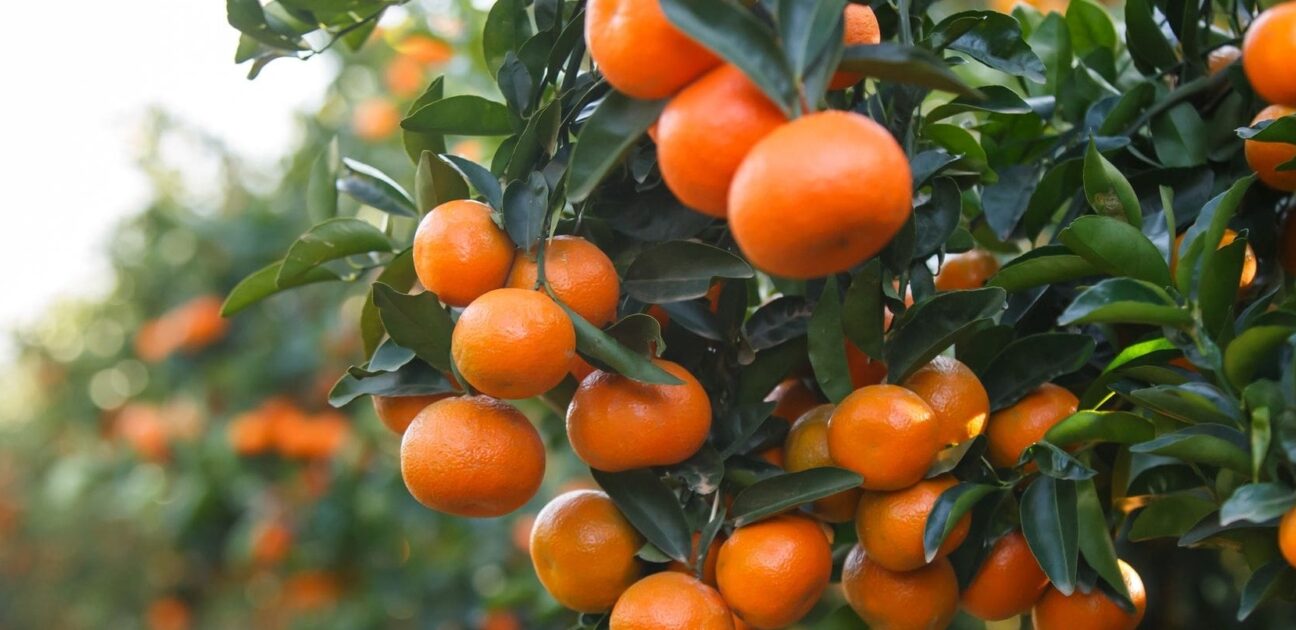
Agriculture remains the backbone of Kenya’s economy, employing a large portion of the population and contributing significantly to national food security and economic growth. Despite its importance, many farmers, especially smallholder farmers face numerous challenges such as climate change, limited access to farm inputs, poor infrastructure and lack of agricultural knowledge. To address these challenges, several non-governmental organizations (NGOs) operate in Kenya to support agricultural development, improve farmer livelihoods and promote sustainable farming practices.
This article explores some of the major NGOs dealing with agriculture in Kenya and how they are helping farmers increase productivity, adopt modern farming techniques, and access better markets.
Why NGOs are important in Kenya’s agricultural sector
Non-governmental organizations play a vital role in strengthening agriculture in Kenya. Many NGOs focus on farmer training, sustainable farming methods, climate-smart agriculture, and improving access to farm inputs such as quality seeds and fertilizers. These organizations also help farmers connect with markets, access financial services, and adopt technologies that improve crop yields.
In many rural communities where government support may be limited, NGOs bridge the gap by providing agricultural extension services, research, and training programs. Their work helps farmers build resilience against climate change while increasing food production and income.
One Acre Fund
One of the most prominent agricultural NGOs in Kenya is One Acre Fund. The organization works with millions of smallholder farmers across Africa, including Kenya.
One Acre Fund focuses on providing farmers with access to high-quality seeds, fertilizers, and agricultural training. It also offers flexible financing so farmers can purchase farm inputs and repay the costs after harvest.
Through regular farmer training sessions, the organization teaches improved planting techniques, crop management, and post-harvest handling. These interventions help farmers significantly increase their yields and incomes. The organization also promotes tree planting and climate-resilient farming methods to ensure sustainable agriculture.
Sustainable Agriculture Community Development Programme (SACDEP Kenya)
Another important NGO working in agriculture is Sustainable Agriculture Community Development Programme, commonly known as SACDEP Kenya.
SACDEP Kenya focuses on promoting sustainable agriculture and empowering rural communities. The organization trains farmers on agroecology, soil conservation, water management, and organic farming techniques.
Its programs emphasize environmentally friendly farming practices that improve soil health while maintaining long-term agricultural productivity. SACDEP also supports farmer groups and community organizations to strengthen rural development and food security.
Kenya Organic Agriculture Network (KOAN)
The Kenya Organic Agriculture Network is a key organization promoting organic farming in the country. KOAN works with farmers, exporters, traders and agricultural institutions to expand the organic agriculture sector.
The organization trains farmers on organic farming methods, certification processes, and value addition. By promoting organic production, KOAN helps farmers access premium markets both locally and internationally.
KOAN has also played an important role in developing organic standards in East Africa and promoting the Kilimohai organic certification mark, which helps consumers identify certified organic products.
Kenya Institute of Organic Farming (KIOF)
The Kenya Institute of Organic Farming is another organization dedicated to sustainable agriculture. KIOF focuses on farmer training and rural development through practical agricultural education.
The institute operates training centers where farmers learn skills such as compost making, crop rotation, soil fertility management and integrated farming systems. These techniques help farmers improve soil health and reduce reliance on chemical fertilizers.
KIOF also works with youth groups and women’s organizations to promote agribusiness opportunities and sustainable livelihoods.
Trees for the future
The international NGO Trees for the Future is actively working with farmers in Kenya to restore degraded farmland through agroforestry.
The organization promotes a farming model known as the Forest Garden Approach, where farmers plant trees together with crops. This approach improves soil fertility, prevents soil erosion and increases farm productivity.
In addition to environmental benefits, farmers can earn additional income from tree products such as fruits, timber and fodder.
AGRISS Africa
AGRISS Africa is another organization supporting agricultural development in Kenya. The NGO focuses on farmer-led research, climate resilience and nutrition-sensitive agriculture.
Through farmer field schools and training workshops, AGRISS Africa helps farmers adopt improved farming techniques such as crop diversification, soil fertility management and sustainable pest control.
The organization also supports vulnerable communities by promoting kitchen gardens, farmer cooperatives, and savings groups that strengthen rural economies.
Many NGOs play a significant role in supporting agriculture in Kenya. By promoting sustainable farming practices, improving access to agricultural inputs and strengthening rural communities, these NGOs are helping transform Kenya’s agricultural sector. Their work ensures that farmers are better equipped to deal with modern challenges such as climate change, food insecurity and limited market opportunities.
As Kenya continues to depend on agriculture for economic growth and food security, the contribution of these NGOs remains essential in building a productive and sustainable agricultural future.

Author: Moureen Koech
Moureen Koech is a passionate Digital Journalist, an adept Agribusiness Writer with a keen eye for news and an impactful story-teller,whose stories provide key value to Agripreneurs and stakeholders in the Agricultural sector