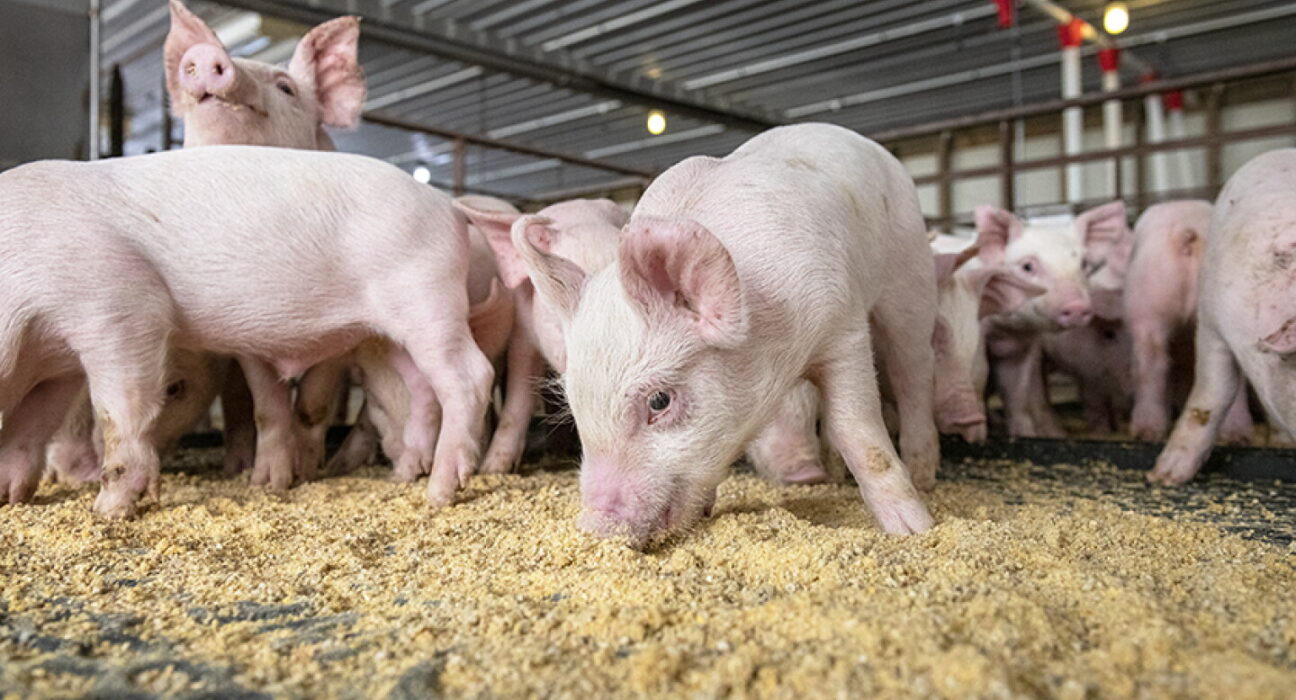
Pig feeding is one of the most important factors that determine success in pig farming. Feed contributes the largest portion of production costs, and poor feeding practices can significantly reduce growth rates, increase disease risk and lower profits. Many pig farmers spend heavily on commercial feeds without realizing that proper feed mixing can improve performance while reducing expenses.
Feed mixing involves combining different ingredients in the correct proportions to provide pigs with balanced nutrition. A well-mixed diet supplies the energy, protein, vitamins, minerals and fiber needed for healthy growth, reproduction, and meat production. Understanding how to mix pig feed properly can help farmers improve feed efficiency and maximize returns.
Why proper pig feed mixing matters
Feed quality directly affects pig growth, health and profitability. Pigs require balanced diets because both nutrient deficiencies and excesses can negatively affect production.
Proper feed mixing ensures every pig receives the same nutrients in every meal. Uneven feed mixing may cause some animals to receive excess nutrients while others receive insufficient amounts.
Balanced feed improves weight gain, strengthens immunity, enhances reproduction, and supports better feed conversion ratios. When pigs utilize feed efficiently, farmers reduce production costs and increase profits.
Good feed formulation also minimizes wastage and improves consistency across the herd.
Understand pig nutritional requirements
Before mixing pig feed, farmers should understand that nutritional requirements change depending on the pig’s stage of growth.
Young piglets require higher protein levels to support muscle and tissue development. Growing pigs require balanced energy and protein for efficient weight gain.
Pregnant and lactating sows require additional nutrients to support reproduction and milk production.
Finisher pigs require diets that support rapid growth and quality meat production.
Feed should therefore be adjusted according to the age, weight, and production goals of the pigs.
Select quality feed ingredients
The quality of ingredients determines the quality of the final feed mixture. Farmers should choose clean, fresh and uncontaminated ingredients.
Energy sources commonly used in pig feed include maize, wheat bran, rice bran, cassava meal and sorghum. These ingredients provide calories necessary for growth.
Protein sources include soybean meal, fish meal, sunflower seed cake, cottonseed cake and legume products. Protein supports muscle growth and body development.
Mineral supplements provide nutrients such as calcium and phosphorus, while vitamin premixes support immunity and metabolism.
Poor-quality ingredients can reduce feed intake and increase disease risks.
Maintain the right energy and protein balance
One of the most common feed mixing mistakes is failing to balance energy and protein properly.
Energy-rich feeds provide fuel for body functions and growth, while proteins build muscles and support tissue repair.
Too much energy with insufficient protein may lead to excessive fat accumulation and poor muscle growth.
Too much protein without enough energy can result in inefficient nutrient use and unnecessary feeding costs.
Farmers should aim for balanced formulations that match production objectives and pig growth stages.
Grind ingredients properly
Feed particle size influences digestion and nutrient utilization. Large particles reduce digestibility, while extremely fine feed may create digestive problems.
Grinding ingredients to a consistent size helps pigs digest feed more efficiently and reduces feed sorting.
Uniform grinding also improves feed mixing by ensuring ingredients distribute evenly throughout the ration.
However, farmers should avoid over-processing ingredients because excessive grinding can increase dust and feed losses.
Mix ingredients thoroughly
Proper mixing ensures nutrients are evenly distributed in every portion of feed.
Farmers should begin by mixing smaller ingredients such as mineral supplements and premixes before combining them with larger feed ingredients.
Dry ingredients should be blended thoroughly before adding oils or liquid components if required.
Hand mixing may work for small farms, but larger operations often benefit from mechanical mixers for better consistency.
Poor mixing results in uneven nutrient intake and reduced herd performance.
Include mineral and vitamin supplements
Minerals and vitamins are essential for healthy pig development even though they are required in smaller quantities.
Calcium and phosphorus support bone development and reproduction. Salt improves appetite and body functions.
Vitamin supplements help maintain immunity, metabolism, and growth performance.
Deficiencies can lead to poor growth, reproductive problems, weak bones, and increased disease susceptibility.
Farmers should use recommended supplementation rates to avoid both deficiency and excess.
Store mixed feed correctly
Proper feed storage is important for maintaining feed quality after mixing.
Feed should be stored in clean, dry, and well-ventilated areas to prevent mold growth and spoilage.
Moisture encourages fungal contamination, which may produce toxins harmful to pigs.
Storage containers should protect feed from rodents, insects and direct sunlight.
Farmers should prepare feed quantities that can be used within reasonable periods to maintain freshness.
Common pig feed mixing mistakes
Many farmers make mistakes that reduce feed quality and profitability.
One common mistake is changing feed formulas too frequently without considering nutritional balance.
Using poor-quality or expired ingredients can also affect feed performance.
Overreliance on cheap ingredients may lower nutritional value and slow pig growth.
Another mistake is ignoring the different nutritional requirements of piglets, growers and breeding stock.
Farmers should monitor pig performance regularly and adjust feeding programs based on results.
Monitor feed performance
Feed mixing should not stop once ingredients are combined. Farmers should evaluate whether the feed is achieving desired results.
Regular monitoring of weight gain, feed intake, body condition and general health helps determine feed effectiveness.
Slow growth or poor feed intake may indicate formulation errors or ingredient quality issues.
Keeping feeding records allows farmers to compare performance and improve future feed mixing decisions.
Consistent monitoring improves productivity and supports better farm management.
Reduce feed costs without lowering quality
Feed costs can be controlled without sacrificing nutritional value.
Farmers can incorporate locally available ingredients while maintaining proper nutrient balance.
Buying ingredients in bulk may reduce costs, especially for larger farms.
Reducing feed wastage through proper storage and feeding systems also improves profitability.
However, cost-saving should never compromise feed quality because poor nutrition ultimately increases production losses.
Proper pig feed mixing is essential for achieving healthy growth, efficient feed utilization, and profitable pig farming. Balanced diets provide the nutrients pigs need for growth, reproduction and overall performance.
Farmers should focus on selecting quality ingredients, maintaining nutrient balance, mixing thoroughly, supplementing appropriately and storing feed correctly.
Regular monitoring and proper management help identify improvements and ensure pigs achieve their full production potential.
By mastering feed mixing techniques, farmers can reduce costs, improve productivity and build successful pig farming enterprises.

Author: Moureen Koech
Moureen Koech is a passionate Digital Journalist, an adept Agribusiness Writer with a keen eye for news and an impactful story-teller,whose stories provide key value to Agripreneurs and stakeholders in the Agricultural sector