


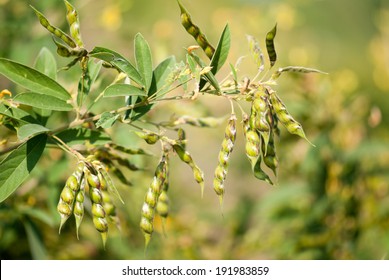
Pigeon peas farming in Kenya is gaining momentum as one of the most profitable agribusiness ventures, especially in arid and semi-arid regions. Locally known as mbaazi, this traditional crop has evolved into a high-demand export commodity. For decades, farmers grew pigeon peas mainly for household consumption, but today, international demand,particularly from India and Middle Eastern countries has transformed it into a serious cash crop.
The introduction of improved, short-duration varieties such as Mituki and Egerton Mbaazi has significantly boosted production. These modern varieties mature in just four months, compared to the traditional types that take up to eleven months. This shift allows farmers to harvest faster, reduce risks, and increase income potential within a shorter time.
Why pigeon peas farming is profitable in Kenya
Pigeon peas farming has become attractive due to its resilience and strong market demand. The crop performs well in dry areas where other crops struggle, making it ideal for counties such as Machakos, Kitui, Makueni, and parts of the Coastal region. It also does well in drier parts of Nyeri and Tharaka Nithi, where temperatures range between 18°C and 38°C.
Farmers who adopt improved varieties can harvest between 12 to 17 bags per acre, each weighing 90 kilograms. This is a significant improvement compared to traditional varieties that yield only 3 to 5 bags per acre. With export prices reaching up to KSh 100 per kilogram under contract farming arrangements, farmers can earn between KSh 108,000 and KSh 153,000 per acre per season. This level of profitability makes pigeon peas an excellent option for smallholder farmers looking to maximize returns.
Best pigeon pea varieties to plant
Selecting the right variety is essential for achieving high yields and meeting export standards. Improved varieties are preferred because they mature faster, produce uniform grains, and are more resistant to pests and diseases.
Mituki is one of the most popular varieties due to its early maturity and high yield potential. Egerton Mbaazi is also widely grown for export markets because of its uniform grain size and quality. Another reliable option is ICEAP 00040, which offers good pest resistance and stable yields. Farmers are encouraged to purchase certified seeds from reputable suppliers to ensure quality and performance.
Ideal growing conditions for pigeon peas
Pigeon peas thrive in warm climates with moderate rainfall. The crop requires annual rainfall between 400 mm and 800 mm and grows well in temperatures ranging from 18°C to 38°C. It performs best in well-drained sandy loam soils with a pH of 5.5 to 7.0.
One of the key advantages of pigeon peas is their ability to fix nitrogen in the soil. This improves soil fertility and reduces the need for nitrogen-based fertilizers, making it a sustainable crop for long-term farming.
Land preparation and planting
Proper land preparation plays a critical role in ensuring successful crop establishment. Farmers should begin by ploughing the land early and harrowing it to achieve a fine tilth. This helps improve soil aeration and allows for better root development.
Planting should be done at the onset of rains to provide adequate moisture for germination. Seeds should be planted at a depth of 3 to 5 centimeters. Recommended spacing is 60 to 90 centimeters between rows and 30 to 60 centimeters between plants. Proper spacing ensures good air circulation, reduces disease risk and allows each plant to grow optimally.
Fertilization and soil nutrition
Although pigeon peas can fix their own nitrogen, they still benefit from proper soil nutrition. Applying DAP fertilizer during planting helps promote strong root development. Organic manure or compost can also be added to improve soil structure and fertility.
In cases where soil tests indicate nutrient deficiencies, phosphorus-rich fertilizers may be applied. However, excessive use of nitrogen fertilizers should be avoided, as it interferes with the crop’s natural nitrogen-fixing ability.
Pest and disease management
Pigeon peas are vulnerable to several pests and diseases, especially during flowering and pod development. Common pests include pod borers, aphids, and thrips, which can significantly reduce yields if not controlled.
Farmers can manage pests by using certified seeds, practicing crop rotation, and applying recommended pesticides when necessary. Biological control methods, such as encouraging natural predators, can also be effective.
Diseases such as fusarium wilt and leaf spot may affect the crop. To prevent these, farmers should plant resistant varieties, maintain proper field hygiene, and avoid waterlogged conditions. Early detection and timely intervention are crucial for minimizing losses.
Weeding and Crop Management Practices
Weeding is essential, particularly during the early growth stages when the crop is still establishing. The first weeding should be done two to three weeks after planting, followed by a second weeding before flowering.
Maintaining a weed-free field reduces competition for nutrients and water, leading to better yields. Mulching can also be practiced to conserve soil moisture and suppress weed growth, especially in dry regions.
Harvesting and post-harvest handling
Pigeon peas are ready for harvest when the pods turn brown and dry. Harvesting can be done manually by picking the pods or cutting the entire plant. After harvesting, the pods should be dried thoroughly before threshing.
Proper drying is important to prevent mold and ensure the grains meet export quality standards. Once threshed, the grains should be stored in clean, dry conditions to protect them from pests and moisture damage.
Marketing and export opportunities
The export market is the main driver of pigeon peas farming in Kenya. Most farmers sell their produce through contract farming arrangements, cooperatives, or aggregators who supply international buyers.
India remains the largest importer, followed by countries in the Middle East. To access these markets, farmers must maintain high quality standards, including proper cleaning, uniform grain size and low moisture content. Establishing relationships with reliable buyers is key to ensuring consistent income.
Cost and profit analysis Per Acre
The cost of producing pigeon peas per acre ranges between KSh 18,000 and KSh 30,000. This includes expenses for seeds, fertilizers, and labor. With yields of 1,080 to 1,530 kilograms per acre and prices averaging KSh 100 per kilogram, total revenue can reach between KSh 108,000 and KSh 153,000.
After deducting production costs, farmers can earn a net profit of between KSh 78,000 and KSh 135,000 per acre per season. This makes pigeon peas farming one of the most profitable crops for dryland areas in Kenya.
Pigeon peas farming in Kenya presents a valuable opportunity for farmers to turn dry land into a profitable venture. With the availability of improved seed varieties, access to export markets and adoption of modern farming practices, mbaazi has become more than just a traditional crop.
Farmers who invest in quality inputs, proper crop management and market linkages are well-positioned to succeed in this growing industry. As demand continues to rise globally, pigeon peas farming will remain a key driver of agricultural income in Kenya for years to come.

Author: Moureen Koech
Moureen Koech is a passionate Digital Journalist, an adept Agribusiness Writer with a keen eye for news and an impactful story-teller,whose stories provide key value to Agripreneurs and stakeholders in the Agricultural sector


