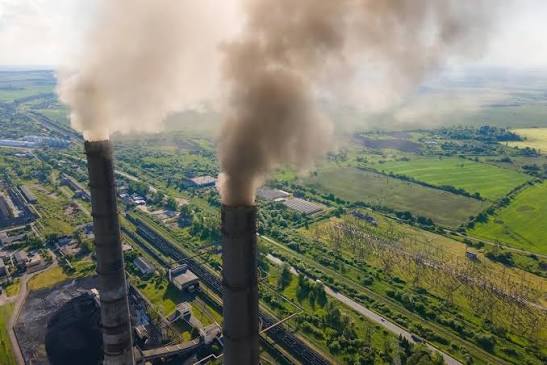
Agriculture plays a vital role in global food production, rural livelihoods and economic development. However, farming activities also contribute to greenhouse gas emissions that drive climate change. From livestock production and fertiliser application to deforestation and the burning of crop residues, agricultural practices can release significant amounts of greenhouse gases into the atmosphere. Reducing agricultural greenhouse gas emissions is therefore essential for building sustainable food systems, protecting the environment and improving farmers’ resilience to climate change.
As temperatures rise and weather patterns become less predictable, farmers need practical strategies that reduce emissions while maintaining productivity. Sustainable farming practices, improved livestock management, efficient fertiliser use and renewable energy technologies can help achieve these goals.
Understanding greenhouse gas emissions in agriculture
The main greenhouse gases associated with agriculture are methane, nitrous oxide and carbon dioxide. Methane is primarily produced through enteric fermentation in ruminant animals such as cattle, sheep and goats. It is also released when organic matter decomposes under oxygen-limited conditions, including in some manure storage systems and flooded rice fields.
Nitrous oxide is generated through soil processes involving nitrogen, particularly when farmers apply synthetic fertilisers or manure. Carbon dioxide emissions are associated with fossil fuel consumption, land-use changes, deforestation and the degradation of carbon-rich soils.
These emissions vary depending on the farming system, climate, soil type and management practices. Understanding their sources helps farmers identify the most effective ways to reduce their environmental footprint without compromising food security or farm income.
Improving fertiliser management
Efficient fertiliser management is one of the most practical ways to reduce greenhouse gas emissions from crop production. Excessive or poorly timed nitrogen application can increase nitrous oxide emissions while raising production costs and contributing to water pollution.
Farmers can reduce these emissions by conducting soil tests to determine crop nutrient requirements before applying fertilisers. Applying the correct fertiliser type and quantity at the appropriate time helps crops absorb more nutrients and reduces nitrogen losses.
Precision agriculture technologies, including soil sensors, GPS-guided equipment and variable-rate fertiliser application, can further improve nutrient efficiency. However, farmers can also achieve meaningful improvements through basic practices such as split fertiliser applications, proper placement and careful monitoring of crop growth.
Combining organic materials, such as compost and well-managed manure, with appropriate mineral fertilisers can improve soil fertility. These materials should be applied according to crop requirements because excessive nitrogen from organic sources can also produce greenhouse gas emissions.
Adopting climate-smart soil management practices
Healthy soils play an important role in reducing agricultural emissions because they can store carbon in organic matter. Practices that protect soil structure, minimise erosion and increase organic matter can support long-term carbon storage while improving water retention and crop productivity.
Conservation agriculture involves minimising soil disturbance, maintaining soil cover and diversifying crops through rotations or intercropping. Reduced tillage can lower fuel consumption and, in suitable conditions, help preserve soil carbon. Its effectiveness depends on local soil conditions, climate and management practices.
Cover crops, including legumes and suitable grasses, protect bare soil between growing seasons. They can reduce erosion, improve soil structure and capture nutrients that might otherwise be lost. Returning crop residues to the soil can also increase organic matter, although farmers should manage residues carefully to avoid pests, diseases and other production challenges.
Agroforestry is another useful strategy. Integrating trees with crops or livestock allows farmers to capture atmospheric carbon in tree biomass and soils. Trees can also provide shade, reduce wind erosion, supply fodder and produce fruits or timber, creating additional income opportunities.
Reducing methane emissions from livestock
Livestock farming is a significant source of agricultural methane, particularly where cattle, sheep and goats rely on feed that is difficult to digest. Improving animal nutrition and overall herd management can reduce emissions per unit of meat or milk produced.
Providing balanced diets, high-quality forage and appropriate feed supplements can improve digestion, animal growth and milk production. Healthier animals that produce more efficiently may generate fewer emissions per kilogram of product. Farmers should select feed interventions according to animal needs, local availability, cost and veterinary guidance.
Improved breeding, disease prevention, access to clean water and better housing can also increase livestock productivity. Managing herd size in relation to available pasture and feed resources helps prevent overgrazing and land degradation.
Manure management is equally important. Covered storage systems, appropriate composting and anaerobic digesters can help control emissions. Anaerobic digesters break down organic waste in enclosed systems, capturing methane that can be used to produce energy. The effectiveness of these systems depends on suitable design, maintenance and the safe management of the remaining digestate.
Managing agricultural waste responsibly
Burning crop residues and agricultural waste releases carbon dioxide and other air pollutants. Although some emissions from burning plant material may be treated differently in greenhouse gas accounting, the practice can still damage air quality and waste valuable nutrients.
Instead of burning residues, farmers can explore composting, mulching, livestock feed production and incorporation into soil where appropriate. Composting converts organic waste into a soil amendment that can improve soil structure and fertility.
Crop residues should be managed according to their intended use, however. Some materials are needed for animal feed, while others can support soil protection or bioenergy production. Farmers should choose methods that balance emissions reduction, soil health and farm profitability.
Using renewable energy on farms
Agricultural activities often require energy for irrigation, machinery, refrigeration, processing and storage. Diesel-powered equipment and fossil-fuel electricity can contribute to carbon dioxide emissions.
Solar-powered irrigation systems offer an alternative to diesel pumps and can reduce operating emissions where they replace fossil-fuel energy. Solar panels can also power lighting, cooling equipment and small-scale processing facilities.
Biogas systems provide another renewable energy option by converting suitable organic waste into usable fuel. Efficient electric motors, well-maintained machinery and improved irrigation scheduling can further reduce energy consumption.
Farmers should consider installation costs, maintenance requirements, water availability and the source of replacement electricity when evaluating these technologies. Access to financing, cooperatives and government support programmes can help make renewable energy investments more affordable.
Preventing deforestation and promoting agroforestry
Land clearing for agricultural expansion can release carbon stored in trees and soils. Protecting existing forests, restoring degraded land and increasing tree cover are therefore important strategies for reducing emissions.
Farmers can establish trees along farm boundaries, integrate fruit trees into crop fields and use suitable fodder trees in livestock systems. These approaches can provide shade, improve biodiversity, reduce erosion and diversify household income.
Agroforestry systems must be designed carefully to avoid excessive competition for water, nutrients and sunlight. Selecting suitable tree species and spacing them appropriately helps farmers balance carbon storage with agricultural production.
Supporting farmers through technology and climate-smart policies
Reducing agricultural greenhouse gas emissions requires more than individual farm decisions. Governments, research institutions, agricultural extension officers, financial organisations and private companies all have a role to play.
Training programmes can help farmers understand emission sources and adopt affordable mitigation practices. Access to climate information, improved seeds, soil testing services and agricultural finance can support better decision-making.
Digital agriculture tools can provide information on weather patterns, fertiliser requirements and irrigation needs. Agricultural cooperatives can also help small-scale farmers access equipment, renewable energy systems and markets that may otherwise be beyond their reach.
Monitoring farm productivity, fertiliser use, fuel consumption and livestock performance allows farmers to assess whether their strategies are delivering results. Emission reductions should be measured where practical, using recognised methods rather than assuming that every sustainable practice automatically reduces emissions.
Reducing agricultural greenhouse gas emissions is essential for sustainable farming, climate resilience and long-term food security. Through efficient fertiliser management, improved livestock nutrition, responsible waste handling, soil conservation, agroforestry and renewable energy adoption, farmers can reduce their environmental impact while maintaining productive farms.
Although some interventions require investment and technical support, many improvements can begin with better planning and resource management. By combining practical farm-level solutions with supportive policies and accessible technologies, agricultural communities can contribute to climate change mitigation while protecting livelihoods and strengthening food systems.

Author: Moureen Koech
Moureen Koech is a passionate Digital Journalist, an adept Agribusiness Writer with a keen eye for news and an impactful story-teller,whose stories provide key value to Agripreneurs and stakeholders in the Agricultural sector