
Signs of discomfort or disease in chicken
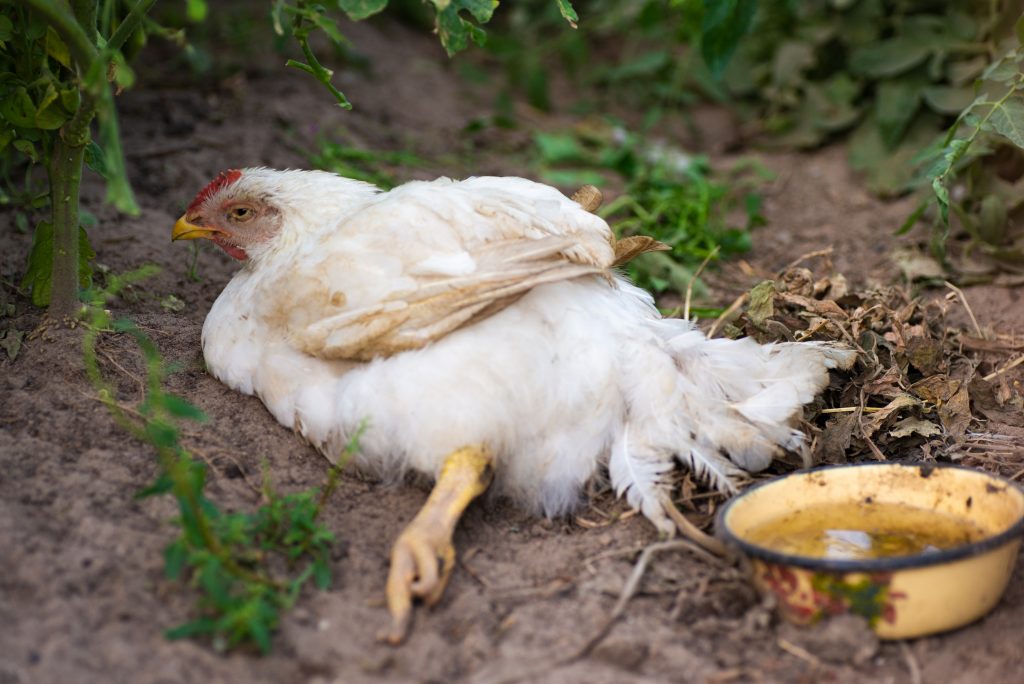
Healthy chickens are a sign of a thriving farm. They are usually active, alert and full of curiosity, always scratching around and exploring their surroundings. However, when something is wrong, chickens often show early warning signs through changes in their behavior, posture or appearance. For every poultry farmer, recognizing these signs early can mean the difference between a minor issue and a flock-wide disease outbreak.
Observing your birds daily and knowing what is “normal” for them is the foundation of good poultry management. Below are key indicators every farmer should watch out for to ensure the health and productivity of their flock.
Changes in activity levels
A healthy chicken is constantly on the move, feeding, pecking and interacting with others. If you notice a bird that seems tired, prefers sitting in one spot, or avoids the flock, it’s a clear sign that something is wrong. Lethargy can result from infections, parasites, heat stress or nutritional deficiencies. Early intervention is crucial since chickens can deteriorate quickly once they stop eating or moving around.
Abnormal posture or movement
A chicken’s body language can reveal a lot about its health. Birds that hunch over, droop their wings or puff up their feathers are often uncomfortable or sick. Limping, stiffness or difficulty walking may signal joint problems, injuries or diseases like Marek’s disease or coccidiosis. Always isolate affected birds immediately to prevent further injury or disease spread and consult a veterinarian for a proper diagnosis.
Appetite and drinking habits
Changes in appetite or water intake are major red flags in poultry health. A sick bird often ignores its feed or drinks excessively little or too much. Because chickens have fast metabolisms, going even a few hours without eating can worsen their condition. Always make sure feed and water are clean, fresh and accessible. If multiple birds show loss of appetite, test for disease or contamination in feed and water sources.
Respiratory distress
Respiratory problems are among the most common signs of illness in poultry. Listen closely when near your flock. Wheezing, coughing, sneezing, or nasal discharge often point to respiratory infections such as infectious bronchitis or Newcastle disease. More severe cases involve labored breathing, gasping or open-mouth breathing symptoms that require immediate attention. Good ventilation, dust control and vaccination programs help prevent these conditions.
Changes in vocalization
Chickens are naturally chatty birds. If a normally vocal hen suddenly becomes quiet or starts making unusual distress calls, it may be feeling unwell or in pain. Changes in sound may also indicate fear, injury or environmental stress such as overcrowding or predator threats. Farmers should be attentive to these subtle cues and inspect birds showing unusual behavior.
Droppings as a health indicator
Droppings are one of the clearest indicators of a chicken’s health. Normal droppings are firm with a white cap (urates). Any change whether watery, bloody, discolored or foul-smelling can point to internal parasites, infection or digestive problems. Regularly checking droppings beneath perches and in nesting areas helps detect health problems before they spread throughout the flock.
Feather and skin condition
Healthy feathers are glossy, full, and well-kept. When feathers become dull, ruffled, or start falling off, it could be a sign of stress, external parasites like mites or lice, or nutritional deficiencies. Similarly, scabs, wounds or bald patches might indicate aggressive pecking behavior within the flock or skin infections. Providing a dust bath area, balanced diet, and enough space can significantly improve feather and skin health.
Behavioral isolation
Chickens are social creatures. When one isolates itself, stands away from the group, or hides in corners, it’s often a sign of illness or stress. Isolation can occur due to disease, bullying or discomfort from injury. Farmers should always inspect solitary birds closely and provide a quiet, warm space for recovery. Early isolation also helps prevent contagious diseases from spreading to healthy flock members.
Pro tips for farmers
Observation is your best tool for disease prevention. Watch your flock at different times of the day to notice changes in movement, feeding or interaction. Keeping detailed records of behavior, feeding habits and egg production helps identify health issues early.
Maintaining proper hygiene, providing balanced nutrition and ensuring good ventilation are the pillars of poultry health. Biosecurity measures such as disinfecting equipment, controlling visitors, and quarantining new birds also play a key role in disease prevention.
And most importantly, never hesitate to seek veterinary advice if symptoms persist or worsen. Early diagnosis and treatment can save not just one chicken, but your entire flock.
Healthy chickens equal a healthy farm. By learning to recognize early warning signs and responding quickly, farmers can protect their investment, ensure steady egg or meat production, and promote animal welfare. In poultry farming, prevention is always better and far cheaper than cure.

Author: Moureen Koech
Moureen Koech is a passionate Digital Journalist, an adept Agribusiness Writer with a keen eye for news and an impactful story-teller,whose stories provide key value to Agripreneurs and stakeholders in the Agricultural sector