




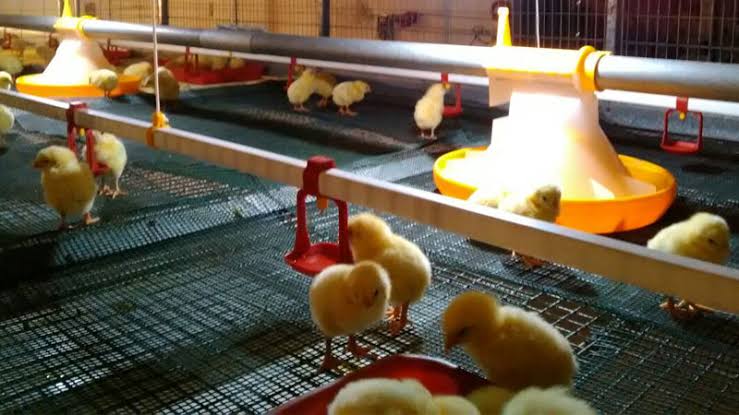
Sustainable livestock management in rural communities

Sustainable livestock management plays a vital role in enhancing food security and improving the livelihoods of rural communities. In many developing regions, livestock such as goats, cattle and poultry are more than just sources of meat, milk and eggs,they represent wealth, social status and security during tough economic times. However, sustainability in livestock farming goes beyond traditional herding and feeding methods. It requires integrating modern techniques, efficient resource use, and environmentally friendly practices that ensure long-term productivity and resilience.
The importance of livestock in rural development
Livestock contributes significantly to the rural economy by providing income, food, and employment. In many parts of Africa and other developing regions, animals act as a form of savings or insurance, helping families during emergencies or poor crop seasons. Manure from livestock also enhances soil fertility, making it a crucial input for crop farming. Beyond economic benefits, livestock supports social stability, as ownership often defines wealth and community status.
However, the growing population and demand for animal products have put pressure on natural resources. Overgrazing, poor waste management and inadequate disease control have led to environmental degradation and declining productivity. To address these challenges, sustainable livestock management practices are essential to balance economic growth with environmental protection and animal welfare.
Modern feeding systems for sustainable productivity
Feeding is the backbone of livestock production, yet in many rural areas, animals rely on natural grazing, which becomes unreliable during dry seasons. Modern feeding systems such as fodder conservation, silage making and use of crop residues can help bridge feed shortages throughout the year. Additionally, incorporating leguminous plants like lucerne or calliandra into pastures can improve nutrition while enriching the soil with nitrogen.
Farmers are also encouraged to explore affordable feed alternatives, such as using agro-industrial by-products like maize bran or oilseed cakes. Training farmers on feed formulation enables them to prepare balanced rations tailored to specific livestock needs. These practices not only enhance productivity but also reduce dependence on expensive commercial feeds, making livestock farming more sustainable and profitable.
Proper housing and animal welfare
Livestock housing plays an essential role in maintaining animal health, reducing stress, and improving productivity. Proper housing protects animals from harsh weather, predators and disease-carrying pests. In rural areas, many farmers still rely on traditional sheds made of local materials. While these structures are affordable, they may lack adequate ventilation, drainage, and hygiene standards.
Sustainable livestock management emphasizes the construction of affordable, well-designed housing that ensures comfort, hygiene, and easy waste disposal. Using locally available materials such as timber, bricks or iron sheets can make the process cost-effective. Clean and well-ventilated shelters help reduce disease outbreaks, lower mortality rates, and improve overall animal welfare an often-overlooked aspect of sustainable farming.
Disease control and veterinary support
Disease outbreaks can devastate livestock populations, causing heavy financial losses and threatening food security. Rural farmers often lack access to timely veterinary services or the knowledge needed to prevent and manage diseases effectively. Sustainable livestock management involves strengthening animal health systems through regular vaccination programs, proper hygiene, and prompt diagnosis of illnesses.
Governments and development organizations can support farmers by establishing community-based veterinary services and training local animal health workers. This approach ensures that farmers receive affordable and accessible veterinary care, especially in remote areas. In addition, educating farmers about biosecurity measures such as quarantining new animals, disinfecting equipment, and controlling parasites plays a key role in preventing disease spread.
Integrating livestock and crop production
One of the most effective strategies for sustainable livestock management is integrating livestock with crop farming. This circular system allows for efficient resource use,animal manure enriches the soil for crops and crop residues, in turn, provide feed for livestock. Such integration reduces waste, enhances soil fertility and improves food security.
For example, dairy farmers can use crop residues like maize stover or banana stems as feed, while manure from their cows boosts maize or vegetable yields. The result is a balanced and environmentally friendly farming system that maximizes productivity without depleting resources. This synergy between crops and animals embodies the essence of sustainability in rural agriculture.
The role of government and development organizations
Sustainable livestock management cannot succeed without policy support, training, and access to resources. Governments and non-governmental organizations (NGOs) play a critical role in promoting awareness and education among farmers. Extension services can teach farmers about improved feeding, breeding, and housing methods, while credit facilities can help them invest in better equipment and infrastructure.
Moreover, climate-resilient policies are necessary to help farmers cope with challenges such as droughts, floods, and changing weather patterns. Encouraging research and innovation in animal breeding, nutrition and disease control can also help boost productivity sustainably. Partnerships between governments, NGOs and the private sector ensure that smallholder farmers receive the tools, knowledge and markets they need to thrive.
A step toward a sustainable future
Sustainable livestock management is not just an economic goal,it’s an environmental and social responsibility. By adopting modern techniques, improving animal welfare and promoting integration with crop farming, rural communities can achieve food security while protecting their natural resources.
With the right support systems, smallholder farmers can move from subsistence farming to profitable and eco-friendly enterprises. Innovation, knowledge sharing and policy backing will be key to this transformation. As rural communities embrace sustainable livestock practices, they pave the way for a future where farming is productive, climate-resilient and inclusive ensuring that both people and the planet thrive together.

Author: Moureen Koech
Moureen Koech is a passionate Digital Journalist, an adept Agribusiness Writer with a keen eye for news and an impactful story-teller,whose stories provide key value to Agripreneurs and stakeholders in the Agricultural sector


