
The Power of an integrated farming system

Agriculture is evolving and farmers are increasingly embracing systems that boost productivity while protecting the environment. One of the most effective approaches is the integrated farming system, a method where multiple enterprises such as fish farming, poultry production and vegetable cultivation work together within one farm. Instead of treating each activity as a separate unit, they operate as one interconnected ecosystem. This model reduces waste, enhances efficiency and increases profitability, making it a preferred choice for both smallholder farmers and commercial agribusinesses.
An integrated farming system ensures that every part of the farm supports another. Fish waste enriches vegetables, poultry manure improves soil fertility and vegetable residues contribute to animal feed or compost. Through this synergy, farmers produce more food while using fewer resources. Below is a deeper look into why this system is so powerful and why more farmers are embracing the integration of fish, chicken and vegetables.
Advantages of Intergrated farming system
Efficient nutrient recycling for richer soil and healthier crops
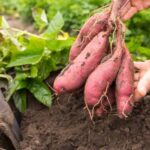
One of the most valuable benefits of an integrated farming system is its ability to recycle nutrients naturally. Fish ponds, poultry units and vegetable gardens generate organic waste that becomes essential fertilizer for other parts of the farm. For instance, chicken manure, which is rich in nutrients, can be composted and applied to vegetable beds to support strong crop development. In the same way, nutrient-dense water from fish ponds provides a natural fertilizer that boosts plant growth when used for irrigation.
This nutrient circulation improves soil structure, increases organic matter, and enhances moisture retention. Over time, the soil becomes healthier and more productive, reducing the farmer’s reliance on chemical fertilizers. This makes the farm more sustainable, more cost-effective and better suited for long-term production.
Maximized productivity on limited land
Integrated farming allows farmers to generate multiple outputs from a single piece of land. Instead of dedicating separate areas to fish, poultry or vegetables, all three enterprises coexist and support each other. This significantly increases the overall productivity of the farm.
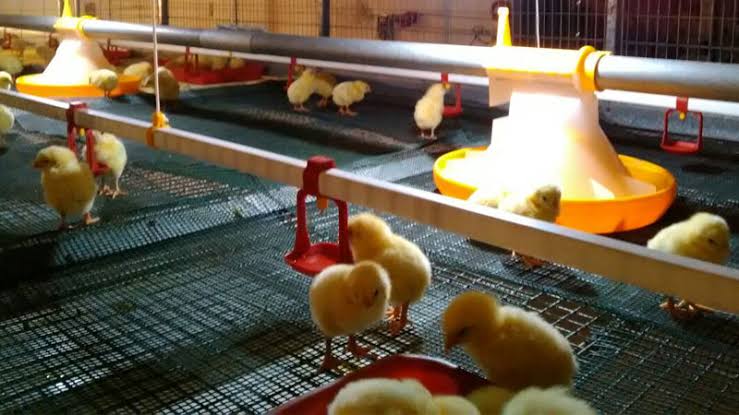
Vegetables benefit from organic fertilizers, leading to faster growth and higher yields. Poultry provides regular income through eggs or meat. Fish farming generates additional harvests, especially when pond water is reused efficiently. This multi-output system is ideal for farmers with small plots, as it maximizes the value of every square meter. The result is more food, more profit and better use of land without expanding farm size.
Reduced waste and cleaner farm operations
Waste is a major issue in many farming systems, but integrated farming naturally solves this problem. Chicken manure no longer piles up unused. Fish pond water is not simply drained away. Vegetable waste is not discarded. Instead, each of these elements becomes a valuable resource.
Chicken manure enriches vegetable beds. Fish waste supports plant nutrition. Vegetable residues enhance compost or feed poultry. Through this recycling process, the farm remains clean, the environment stays healthy and the chances of disease outbreaks decrease significantly. This leads to a smoother operation and reduced farm management costs.
Diversified and stable income streams
One of the strongest economic advantages of integrated farming is diversification. Depending on a single enterprise can be risky because market prices fluctuate and weather conditions can change unexpectedly. However, when a farmer earns from fish, poultry and vegetables, financial pressure drops significantly.
Vegetables can be harvested regularly, providing frequent income. Poultry produces eggs or meat, offering weekly or monthly returns. Fish harvests bring in additional revenue. Even if one enterprise experiences challenges, the others keep the farm stable. This diversification ensures steady cash flow and long-term security, making integrated farming a resilient agribusiness model.
Healthier food and a more sustainable environment
Integrated farming promotes clean, chemical-free food production. Because the system relies on organic waste, farmers use fewer chemical pesticides and synthetic fertilizers. Vegetables grown with nutrient-rich fish pond water and composted poultry manure are healthier and more nutritious. Poultry raised in clean conditions grows better, and fish thrive in well-managed ponds with balanced ecosystems.
The method also supports environmental conservation. Soil fertility increases, water use becomes more efficient, biodiversity improves and the overall farm ecosystem remains balanced. This makes integrated farming a sustainable solution for farmers who want to produce food while protecting natural resources.
The integrated farming system is more than a trend; it is a practical and profitable model for the future of agriculture.
Farmers who embrace this approach not only increase their yields and earnings but also build resilient farms capable of thriving in a changing agricultural landscape. Integrated farming truly shows that sustainability and profitability can work hand in hand.

Author: Moureen Koech
Moureen Koech is a passionate Digital Journalist, an adept Agribusiness Writer with a keen eye for news and an impactful story-teller,whose stories provide key value to Agripreneurs and stakeholders in the Agricultural sector