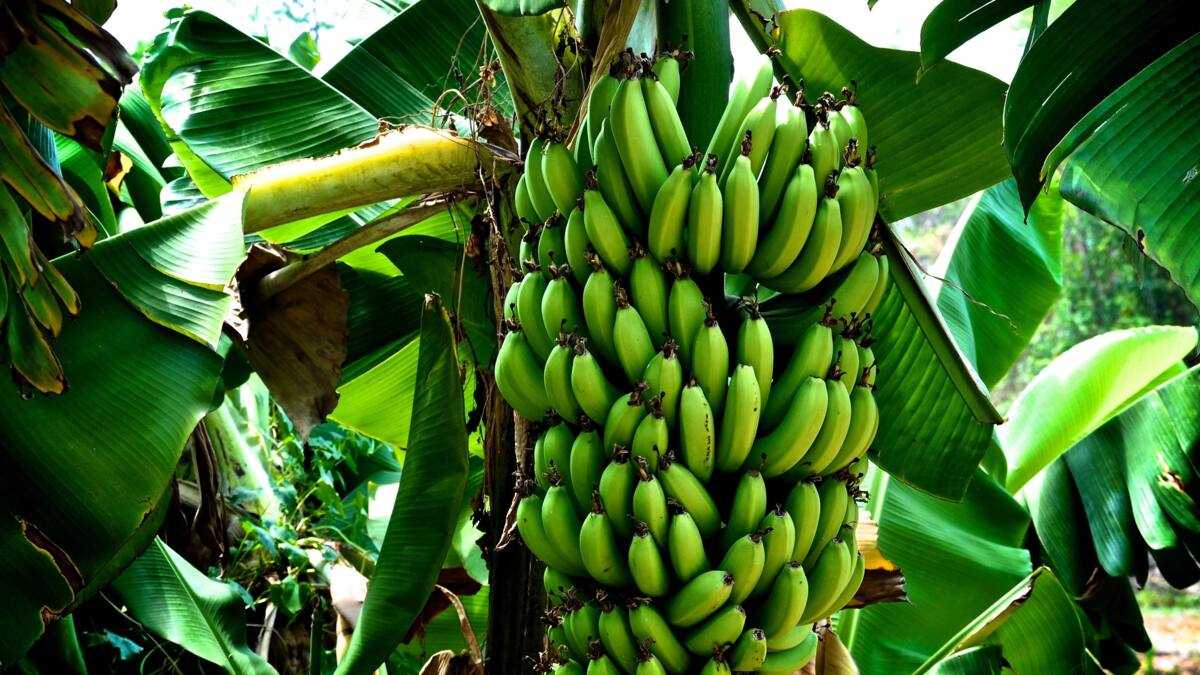
Banana farming is more than just planting and waiting for harvest, it is a science built on precision, planning, and proper management. Behind every thriving banana plantation lies a well-structured system that begins long before the first seedling is placed in the ground. Farmers who understand and apply this system consistently enjoy higher yields, better quality produce and increased profits.
Bananas are among the most rewarding crops for farmers in tropical regions. They provide year-round income, enhance food security and create employment opportunities. However, the difference between an average farm and a highly productive, commercially successful plantation lies entirely in how well it is established and managed from the beginning.
The foundation: Proper planting preparation
Successful banana farming starts with proper land and soil preparation. This stage forms the foundation upon which the entire plantation depends, and mistakes made here can affect productivity for years.
One of the most effective practices used by experienced farmers is the preparation of well-dug and rested planting holes. Allowing planting holes to rest before transplanting helps the soil settle and aerate. This reduces transplant shock and enables young banana plants to establish themselves quickly and efficiently.
In addition, incorporating well-decomposed manure at the base of each planting hole is essential. Organic manure acts as a slow-release fertilizer, supplying nutrients directly to the root zone where they are needed most. This ensures that young plants have access to sufficient nutrients during their critical early growth stages.
Topsoil should then be mixed with manure and used to fill the planting hole. This creates a nutrient-rich environment that promotes strong root development from the very beginning. Healthy roots are key to vigorous plant growth, which ultimately leads to higher yields.
Equally important is maintaining proper spacing between plants and rows. Adequate spacing allows sunlight to penetrate evenly across the plantation and ensures proper air circulation. This reduces the risk of diseases and makes it easier to carry out essential farm operations such as weeding, pruning, and harvesting.
Many banana farming failures can be traced back to poor preparation. Rushing into planting without proper soil enrichment and spacing often leads to weak plants and low productivity. Simply put, the quality of your harvest is determined by the effort you invest in preparation.
The lifeline: Efficient water management through drip irrigation
Water is one of the most critical factors in banana production. Bananas are water-loving plants that require a consistent supply of moisture throughout their growth cycle. However, how water is delivered to the plants matters just as much as the quantity.
Drip irrigation is widely regarded as the most efficient irrigation method for banana farming. This system delivers water directly to the root zone in controlled amounts, ensuring that plants receive exactly what they need without wastage.
One of the major advantages of drip irrigation is its ability to conserve water. Unlike traditional irrigation methods, which often result in runoff and evaporation, drip systems maximize water use efficiency. This is particularly important in areas where water resources are limited.
Drip irrigation also helps reduce the incidence of fungal diseases. Overhead watering can leave plant leaves wet for extended periods, creating a favorable environment for disease development. By delivering water directly to the soil, drip systems keep foliage dry and healthy.
Another benefit is weed control. Since water is applied only to the plant’s root zone, weeds growing between rows receive less moisture, reducing their growth and competition for nutrients.
Most importantly, drip irrigation supports consistent plant growth. Even during dry periods or irregular rainfall, farmers can maintain optimal moisture levels, ensuring uninterrupted development and higher yields.
The Vision: Scaling up with smart farm design
A successful banana plantation is not just about individual plants, it is about the entire farming system. Large-scale banana farms demonstrate the importance of proper layout, water access and crop protection.
Strategic site selection plays a crucial role in long-term success. Bananas require a reliable water source, making areas near rivers, streams or other natural water bodies ideal for cultivation. Consistent access to water ensures that plants remain healthy and productive throughout the year.
Intercropping is another smart practice commonly used in banana farming. Growing crops such as maize alongside bananas helps maximize land use and provides additional income streams. It also improves soil health and reduces the risks associated with relying on a single crop.
Fruit protection: Enhancing quality and market value
One of the defining features of commercial banana farming is the use of protective bags to cover developing banana bunches. This simple yet highly effective technique offers multiple benefits.
Protective bags shield the fruit from insects, birds, and physical damage caused by wind or handling. They also prevent direct contact with chemicals that may be used in the farm, ensuring safer produce.
In addition, these bags improve the overall quality of the bananas. Covered fruits tend to have better skin appearance, uniform color and fewer blemishes. This significantly increases their market value and appeal to buyers.
For farmers targeting premium markets, fruit protection is not optional, it is a necessity.
The 5 Pillars of successful banana farming
Highly productive banana farms are built on five key pillars: proper site selection, thorough soil preparation, adequate organic nutrition, effective water management, and fruit protection. Each of these elements plays a vital role in ensuring the success of the plantation.
When these factors are properly implemented, they create a balanced and efficient farming system that supports healthy plant growth and high yields.
Banana farming success is never a matter of luck. It is the result of careful planning, scientific practices and consistent management. From preparing nutrient-rich planting holes to installing efficient irrigation systems and protecting developing fruits, every step contributes to the overall productivity of the farm.
Farmers who take the time to master these practices set themselves apart from the rest. They not only achieve higher yields but also produce better-quality bananas that command higher prices in the market.
In the end, the science of successful banana farming is simple: invest in the right foundation, manage your resources wisely, and protect your crop at every stage. Do this and your plantation will reward you with abundance season after season.

Author: Moureen Koech
Moureen Koech is a passionate Digital Journalist, an adept Agribusiness Writer with a keen eye for news and an impactful story-teller,whose stories provide key value to Agripreneurs and stakeholders in the Agricultural sector