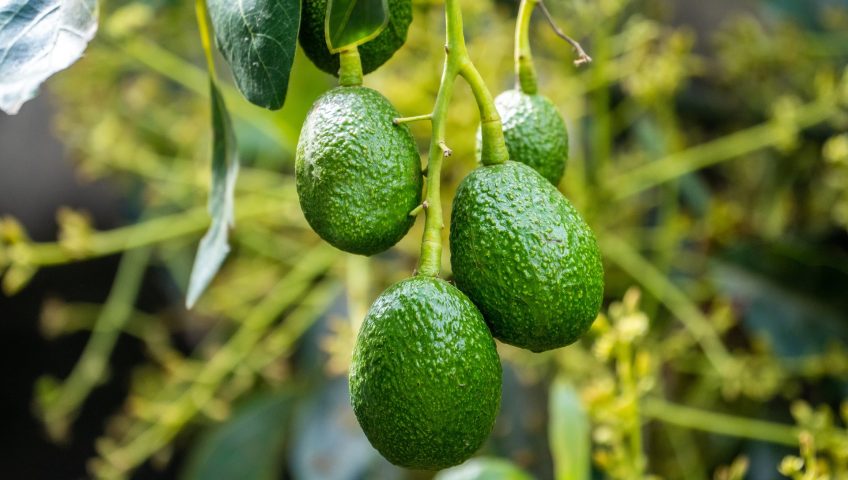
Avocado farming has become an important source of income for many Kenyan farmers, particularly those growing Hass and Fuerte varieties for local and export markets. However, achieving high yields requires more than planting good seedlings and providing fertilizer. Pests, diseases, poor orchard management and weak planting material can significantly reduce both production and fruit quality.
Among the problems avocado farmers need to watch are avocado lace bugs and black spot disease. When these problems are not detected and managed early, they can weaken trees, damage foliage and fruit, and reduce the productivity of an orchard. For farmers who have invested heavily in land, seedlings, labour and farm inputs, protecting the orchard is essential.
How avocado lace bugs damage trees
The avocado lace bug is a small insect that feeds mainly on the underside of avocado leaves. Because it is often hidden from view, farmers may fail to notice an infestation until considerable damage has already occurred.
The insects suck plant sap from the leaves, causing pale, yellowish or speckled areas. As feeding continues, heavily affected leaves can become damaged and may eventually drop prematurely. This is a serious problem because healthy leaves are essential for photosynthesis and the production of energy needed for tree growth and fruit development.
A heavily infested tree may therefore struggle to maintain good fruit production. Young or stressed trees can be particularly vulnerable when pest pressure is high.
One of the simplest ways to detect lace bugs early is to regularly inspect the undersides of avocado leaves. Farmers should look for insects, dark deposits, damaged areas and unusual leaf discolouration. Regular scouting is much more effective than waiting until the tree shows severe damage.
Understanding Black Spot Disease
Black spot is another problem that can affect avocado production and fruit quality. Symptoms may appear as dark or black lesions on leaves and fruit, depending on the causal organism and conditions in the orchard.
Disease pressure can increase when orchards have poor sanitation, inadequate airflow and prolonged periods of moisture. Fallen infected plant material can also contribute to disease problems when orchard hygiene is neglected.
Farmers should therefore make regular inspection part of their orchard management routine. Leaves, young shoots and developing fruits should be checked for unusual spots, lesions or other changes.
It is important to correctly identify the cause of black spots before applying treatment. Several avocado problems can produce similar-looking symptoms, and using the wrong chemical may waste money without solving the underlying problem. Where symptoms are severe or spreading rapidly, farmers should seek advice from a qualified crop protection specialist.
Protecting an avocado orchard from pests and diseases
Prevention and early detection are among the most effective tools available to avocado farmers. Regular scouting allows farmers to identify pest and disease problems before they become widespread.
Orchard sanitation is also important. Fallen leaves, damaged fruits and infected plant material should be managed appropriately rather than allowing them to accumulate around trees. Removing severely affected material where recommended can help reduce sources of infection.
Pruning is another important management practice. Overcrowded branches can create a dense canopy with poor air circulation. Appropriate pruning can improve airflow and light penetration, making the orchard easier to inspect and potentially reducing conditions favourable to some diseases.
Farmers should also avoid creating unnecessarily wet conditions around avocado trees. Good drainage is particularly important because avocado roots are sensitive to prolonged waterlogging. Irrigation should be managed according to the orchard’s soil and weather conditions rather than applying excessive amounts of water.
Where pest or disease control is necessary, farmers should use registered and appropriate control measures according to professional recommendations and label instructions. Spraying should not be based simply on the presence of a few insects or spots. Correct identification, timing and application are important for effective management and for protecting beneficial insects.
Quality seedlings are the first line of protection
Orchard management begins before the farmer plants the first tree. Starting with healthy, quality planting material gives an orchard a stronger foundation.
Farmers should source grafted avocado seedlings from reliable nurseries and ensure that the seedlings are healthy, properly developed and suitable for their production goals. Poor-quality planting material can result in weak trees, uneven growth and disappointing yields later.
Hass avocado remains an important commercial variety for farmers targeting high-value markets, while Fuerte can also be useful depending on the farmer’s location, market and production objectives. The choice of variety should be based on climate suitability, market demand and other agronomic considerations.
Farmers should also avoid choosing seedlings solely because they are cheap. The initial saving can become insignificant if poor planting material results in years of low productivity.
Regular scouting can save your investment
Avocado farmers should develop a habit of walking through their orchards regularly instead of only visiting when problems become obvious. During scouting, inspect leaves, shoots, flowers and developing fruits.
Pay particular attention to the undersides of leaves when checking for lace bugs. Look for changes in leaf colour, unusual spots, insect activity and premature leaf fall.
Farmers should also record recurring pest and disease problems. Keeping simple records can help identify patterns and improve future management decisions.
Early intervention is generally easier and less costly than attempting to rescue severely damaged trees. However, farmers should avoid unnecessary pesticide applications because indiscriminate spraying can harm beneficial insects, increase production costs and contribute to pesticide resistance.
Building a more productive avocado farm
Protecting avocado yields requires an integrated approach. Good orchard hygiene, appropriate pruning, proper drainage, regular scouting, quality seedlings and responsible pest and disease management should work together.
Farmers should also maintain good nutrition and water management because stressed trees may be less capable of maintaining healthy growth and production. Soil testing can help farmers make better-informed fertilizer and soil management decisions rather than applying inputs blindly.
Ultimately, the goal should not simply be to control one pest or disease. Farmers need to create an orchard environment that supports healthy trees throughout the production cycle.
Avocado farming can provide significant opportunities for Kenyan farmers, but pests and diseases can undermine years of investment if they are ignored. Avocado lace bugs can damage leaves and weaken trees, while black spot and other diseases can affect foliage and fruit quality.
The best strategy is to scout regularly, maintain good orchard hygiene, improve airflow through appropriate pruning, manage water carefully and use suitable pest and disease control measures when necessary.
Most importantly, farmers should begin with healthy, quality grafted seedlings and continue monitoring their orchards throughout the season. Scout early, manage early and protect your avocado investment.

Author: Moureen Koech
Moureen Koech is a passionate Digital Journalist, an adept Agribusiness Writer with a keen eye for news and an impactful story-teller,whose stories provide key value to Agripreneurs and stakeholders in the Agricultural sector