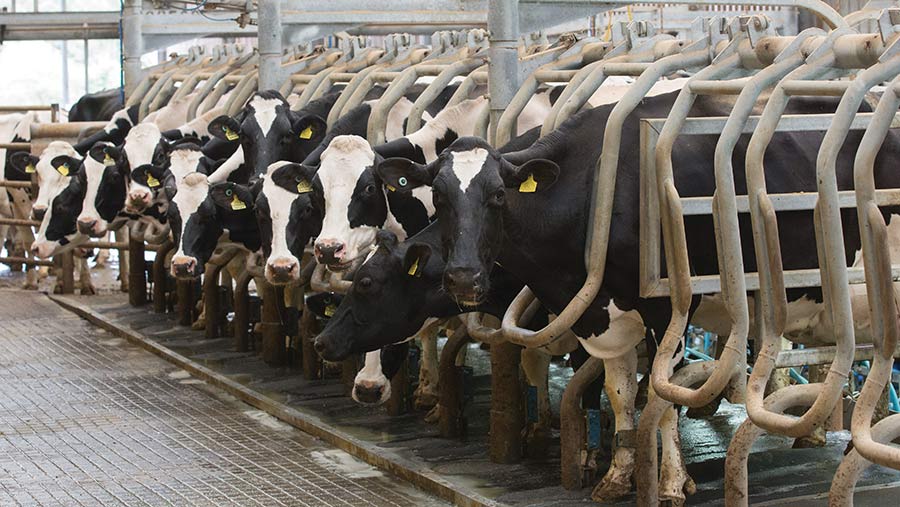
Zero grazing dairy farming is one of the most profitable and sustainable agribusiness models in Kenya today. With limited land and increasing demand for milk, many farmers are shifting to this modern system to maximize production and profits. In this complete guide, you’ll learn how zero grazing works, its benefits, setup process, feeding strategies and tips for success.
What is Zero Grazing Farming?
Zero grazing is a dairy farming system where cows are confined in a controlled area (unit) and are not allowed to roam freely in search of pasture. Instead, the farmer cuts and brings feed (fodder) to the animals.
This method is ideal for farmers with small land sizes and those aiming for high milk production through proper management.
Benefits of zero grazing farming
Zero grazing has become popular in Kenya for several reasons:
1. Maximum Land Utilization
You don’t need large land. Even 1 acre is enough to run a successful dairy farm.
2. Increased Milk Production
Cows are well-fed, monitored, and protected from harsh weather, leading to higher milk yields.
3. Better Disease Control
Since animals are confined, it’s easier to control parasites and infections.
4. Efficient Feeding
Feed is not wasted compared to open grazing.
5. Manure Management
Manure is collected easily and can be used for biogas or organic fertilizer.
How to set up a zero grazing unit
A well-designed unit is key to success. Here’s what you need:
Structure Design
- A roofed shed to protect cows from sun and rain
- Concrete or well-drained floor
- Separate sections for feeding, resting, and milking
- Proper drainage for urine and waste
Space Requirements
- Each cow needs about 3m x 1.5m space
- Include a feeding trough and water point
Water Supply
Clean, fresh water must be available at all times. A dairy cow can drink 50–100 liters daily.
Best dairy breeds for zero grazing
Choosing the right breed affects your profits significantly. The most suitable breeds in Kenya include:
- Friesian (high milk production)
- Ayrshire (hardy and adaptable)
- Jersey (low feed consumption, high butterfat milk)
- Guernsey
Crossbreeds are often recommended because they combine high production with adaptability to local conditions.
Feeding in Zero Grazing
Feeding is the most important part of zero grazing. A cow’s productivity depends on diet quality.
Types of Feed
1. Green Fodder
- Napier grass (most common)
- Maize stalks
- Sorghum
- Lucerne
2. Dry Feed
- Hay
- Straw
3. Concentrates
- Dairy meal
- Protein supplements
4. Minerals & Vitamins
- Salt licks
- Mineral supplements
Feeding Schedule Example
- Morning: Napier grass + dairy meal
- Midday: Fresh fodder
- Evening: Hay + supplements
Ensure a balanced diet for maximum milk production.
Cost of Starting Zero Grazing in Kenya
The cost depends on scale, but here’s a rough estimate:
- Structure construction: KSh 50,000 – 150,000
- Purchase of a dairy cow: KSh 80,000 – 200,000
- Feed and fodder: KSh 5,000 – 15,000/month
- Veterinary services: KSh 2,000 – 5,000
Starting small (1–2 cows) is advisable for beginners.
Challenges of Zero Grazing
Despite its benefits, farmers may face:
- High initial setup cost
- Labour-intensive feeding system
- Need for constant feed supply
- Poor management can lead to losses
Proper planning helps overcome these challenges.
Tips for Success in Zero Grazing
To succeed in zero grazing dairy farming:
1. Invest in Quality Feed
Good nutrition = high milk yield.
2. Maintain Cleanliness
Clean sheds reduce disease risk.
3. Regular Veterinary Care
Vaccinate and deworm cows regularly.
4. Keep Records
Track milk production, feeding and expenses.
5. Practice Fodder Farming
Grow your own Napier grass to reduce costs.
6. Focus on Breeding
Use artificial insemination (AI) for better genetics.
Profit Potential of Zero Grazing
A well-managed dairy cow can produce 15–30 liters of milk per day.
If milk sells at KSh 50 per liter:
- 20 liters/day = KSh 1,000 daily
- Monthly income = KSh 30,000 per cow
With proper management, profits can grow significantly over time.
Zero grazing dairy farming is a smart agribusiness model for modern farmers in Kenya. It allows you to maximize production on small land, control feeding and generate consistent income.
While it requires effort, planning, and investment, the returns can be highly rewarding. Whether you are a beginner or an experienced farmer, zero grazing can transform your farming into a profitable venture.

Author: Moureen Koech
Moureen Koech is a passionate Digital Journalist, an adept Agribusiness Writer with a keen eye for news and an impactful story-teller,whose stories provide key value to Agripreneurs and stakeholders in the Agricultural sector