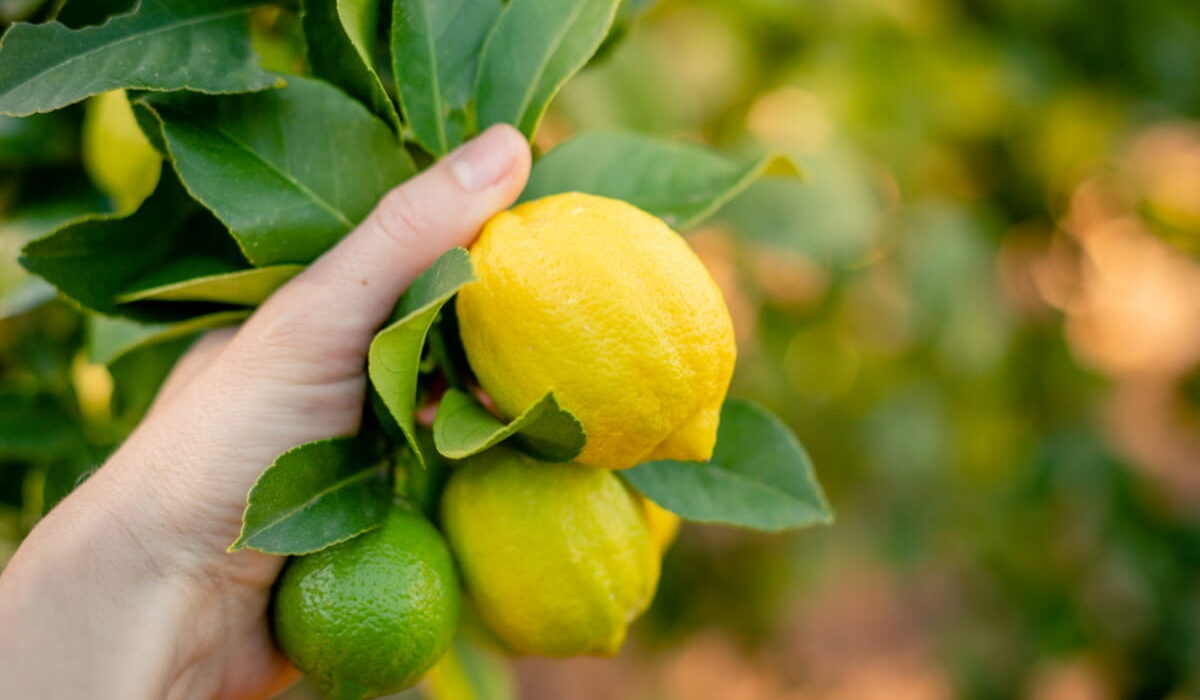
Lemon farming is a profitable and rewarding agribusiness that continues to grow in popularity around the world. Lemons are widely used in households, restaurants, food processing industries and even in the pharmaceutical and cosmetic sectors. Because of their wide range of uses and strong market demand, lemons offer farmers a reliable source of income.
Lemon trees are relatively easy to grow and can produce fruits for many years when properly managed. With the right farming practices, good soil conditions and effective marketing strategies, lemon farming can become a sustainable and profitable business for both small-scale and commercial farmers.
Nutritional and health benefits of lemons
Lemons are highly valued not only for their flavor but also for their nutritional and health benefits. They are rich in vitamin C, which helps strengthen the immune system and protect the body from infections. Vitamin C also supports healthy skin and aids in wound healing.
Lemons also contain antioxidants that help fight harmful substances in the body known as free radicals. These antioxidants may help reduce the risk of certain chronic diseases.
In addition, lemons support digestion and help detoxify the body. Lemon juice is often used in beverages, teas, and natural health remedies. Because of these health benefits, many people consume lemons regularly, which increases their demand in the market.
Suitable climate for lemon farming
Lemon trees grow best in warm climates with moderate temperatures. They thrive in tropical and subtropical regions where there is plenty of sunshine throughout the year.
The ideal temperature range for lemon production is between 20°C and 30°C. Extreme cold conditions can damage lemon trees and reduce fruit production. Frost is particularly harmful to young trees and developing fruits.
Adequate rainfall is important for healthy tree growth, but excessive rainfall or poor drainage can lead to root diseases. In areas with irregular rainfall, irrigation can help maintain consistent moisture for optimal growth.
Soil requirements for lemon farming
Soil quality plays an important role in successful lemon farming. Lemon trees grow best in well-drained soils that are rich in organic matter. Sandy loam or loamy soils are generally ideal because they allow good root development and proper water drainage.
The recommended soil pH for lemon farming ranges between 5.5 and 7.0. Soils that are too acidic or too alkaline may affect nutrient availability and reduce plant growth.
Before planting lemon trees, farmers are encouraged to conduct soil testing. This helps determine the soil’s nutrient levels and identify any necessary soil improvements such as adding organic manure or lime.
Land preparation and planting
Proper land preparation is important for establishing a productive lemon orchard. The land should be cleared of weeds and debris before planting. Farmers should dig planting holes large enough to allow the roots to spread comfortably.
Organic manure or compost can be mixed with the soil in the planting holes to improve fertility and support early plant growth. Healthy seedlings obtained from reputable nurseries should be used to ensure good productivity and disease resistance.
Adequate spacing between trees is necessary to allow sunlight penetration and air circulation. Proper spacing also makes farm management activities such as pruning, irrigation and harvesting easier.
Crop management and maintenance
Once the lemon trees are established, regular management practices are required to ensure healthy growth and good fruit production. These practices include irrigation, fertilization, pruning, and pest control.
Young lemon trees require regular watering to support root development. As the trees mature, irrigation may be adjusted depending on rainfall and soil moisture levels.
Fertilizers and organic manure help provide essential nutrients for plant growth. Proper fertilization improves fruit size, quality and overall yield.
Pruning is also important in lemon farming because it removes weak or diseased branches and allows sunlight to reach all parts of the tree. This helps improve fruit production and maintain healthy tree structure.
Farmers should also monitor their orchards for pests and diseases that may affect lemon trees.
Harvesting lemons
Lemon trees usually begin producing fruits a few years after planting, depending on the variety and growing conditions. Mature lemons develop their characteristic yellow color and firm texture.
Harvesting should be done carefully using pruning tools or by hand to avoid damaging the fruits or tree branches. Proper harvesting methods help maintain fruit quality and prevent injuries to the tree.
Lemon trees can produce fruits several times a year, providing farmers with multiple harvest opportunities.
Marketing potential of lemons
Lemons have strong market demand due to their many uses. They are commonly used in beverages, cooking, food preservation and cleaning products. Lemon juice is also widely used in food processing industries.
Restaurants, hotels, supermarkets, juice processors, and households all require lemons regularly. Farmers can sell their produce in local markets, supply retail shops or partner with wholesalers and food processing companies.
Value addition also offers additional opportunities. Lemons can be processed into lemon juice, lemon oil, lemon powder, and other products that have higher market value.
With proper marketing strategies and consistent supply, lemon farmers can build strong relationships with buyers and secure reliable income.
Lemon farming is a profitable agribusiness opportunity with strong market demand and long-term production potential. The crop is relatively easy to grow and provides multiple benefits for farmers and consumers alike.
By selecting suitable land, maintaining proper crop management practices and exploring various marketing channels, farmers can successfully build a thriving lemon farming business. As consumer demand for natural and healthy products continues to increase, lemon farming remains a promising investment in the agricultural sector.

Author: Moureen Koech
Moureen Koech is a passionate Digital Journalist, an adept Agribusiness Writer with a keen eye for news and an impactful story-teller,whose stories provide key value to Agripreneurs and stakeholders in the Agricultural sector