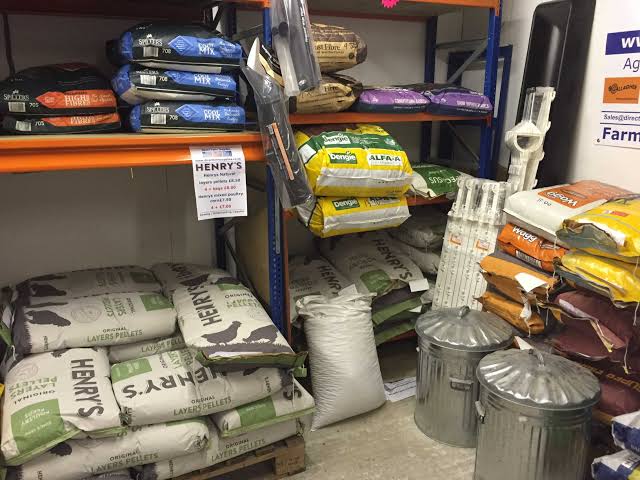
Reliable agricultural suppliers are important to the success of any farming business. Farmers depend on suppliers for seeds, fertilisers, animal feeds, pesticides, veterinary products, equipment, tools and other inputs needed for production. Choosing the wrong supplier can result in poor-quality inputs, delayed deliveries, unnecessary expenses and production losses.
Finding reliable agricultural suppliers therefore requires careful research and planning. Farmers and agribusiness owners should consider product quality, supplier reputation, pricing, availability, delivery arrangements and after-sales support before establishing long-term relationships.
Identify your farm’s requirements
The first step is to clearly understand what you need before searching for suppliers. Make a list of the agricultural inputs, equipment or services required and specify the quantities and quality standards.
For example, a dairy farmer may need animal feeds, mineral supplements, veterinary products and milking equipment. A crop farmer may require certified seeds, fertilisers, crop protection products and irrigation equipment.
Having clear requirements makes it easier to compare suppliers and avoid purchasing unnecessary products.
Research potential suppliers
Farmers can find potential suppliers through agricultural exhibitions, farmer cooperatives, professional associations, referrals, online platforms and recommendations from experienced farmers.
Local agricultural extension officers and other agricultural professionals may also provide useful information about suppliers operating in a particular area.
When researching suppliers, look beyond advertisements. Find out how long the supplier has been operating, what products they specialise in and whether other farmers have had positive experiences dealing with them.
Check product quality
Quality should be one of the most important factors when selecting an agricultural supplier. Poor-quality seeds, feeds, chemicals or equipment can negatively affect farm performance.
Farmers should check product labels, packaging, expiry dates, manufacturer information and relevant quality or certification details where applicable.
For specialised products, it is also useful to understand the recommended specifications and ensure that the supplier can provide products that meet them.
Compare prices carefully
Price is an important consideration, but the cheapest supplier is not always the best option. Extremely low prices can sometimes be associated with poor quality, counterfeit products or inadequate services.
Instead of comparing price alone, consider the overall value of the product. Look at quality, quantity, transportation costs, warranties, delivery times and after-sales support.
Farmers can request quotations from several suppliers and compare what each quotation includes before making a decision.
Verify the supplier’s reputation
A supplier’s reputation can provide valuable information about their reliability. Ask other farmers or agribusiness owners about their experiences with the supplier.
Find out whether the supplier delivers products on time, provides accurate information and responds appropriately when customers have problems.
Online reviews and professional networks can also provide useful insights, although farmers should avoid relying on a single review or recommendation when making important purchasing decisions.
Check availability and delivery
A reliable supplier should be able to provide agricultural inputs when they are needed. Delays can be costly, especially when farmers are working within specific planting, breeding or harvesting periods.
Before placing an order, ask about stock availability, delivery timelines, transportation costs and what happens if a product becomes unavailable.
For farmers located far from major towns, it may be particularly important to choose suppliers with dependable delivery arrangements.
Ask about after-sales support
Good suppliers do more than sell products. Depending on the type of input or equipment, they may provide installation, training, technical information, maintenance or troubleshooting support.
For example, a supplier of irrigation equipment should be able to provide information about installation and maintenance. Similarly, suppliers of specialised farm machinery may offer training and servicing.
After-sales support can make it easier for farmers to use products correctly and maintain equipment.
Be careful With agricultural chemicals and veterinary products
Farmers should exercise particular care when purchasing pesticides, veterinary medicines and other specialised agricultural products.
Buy these products from legitimate and authorised sources where required, check labels and follow professional instructions on their use. Farmers should avoid products with unclear labelling, damaged packaging or questionable origins.
Using inappropriate agricultural chemicals or veterinary products can affect animals, crops, consumers and the environment.
Start with small orders
When dealing with a new supplier, consider starting with a small order before establishing a large long-term relationship.
This allows you to assess product quality, delivery reliability, customer service and accuracy. If the supplier performs well, you can gradually increase your purchases.
For expensive equipment or large orders, farmers should conduct more detailed checks before making payment.
Maintain good supplier records
Keep records of suppliers, products purchased, prices, delivery dates, invoices and payment details. These records make it easier to compare suppliers and track purchasing costs.
Over time, farmers can identify which suppliers consistently provide quality products and reliable service.
Maintaining a list of alternative suppliers is also useful. If your main supplier runs out of stock or experiences delivery problems, you can turn to another trusted source.
Build long-term relationships
Once you identify reliable suppliers, developing a professional relationship can benefit your farm. Regular customers may receive better communication about new products, availability and delivery schedules.
However, farmers should continue monitoring quality and prices even when they have established long-term relationships. A supplier should remain reliable and competitive as the business grows.
Finding reliable agricultural suppliers requires more than looking for the lowest price. Farmers should research potential suppliers, verify product quality, compare costs, check reputation, confirm availability and consider delivery and after-sales support.
Building relationships with dependable suppliers can help farmers maintain consistent access to quality inputs, reduce disruptions and manage production more efficiently. With proper research and record keeping, agricultural businesses can develop a reliable supply network that supports long-term growth and profitability.

Author: Moureen Koech
Moureen Koech is a passionate Digital Journalist, an adept Agribusiness Writer with a keen eye for news and an impactful story-teller,whose stories provide key value to Agripreneurs and stakeholders in the Agricultural sector