


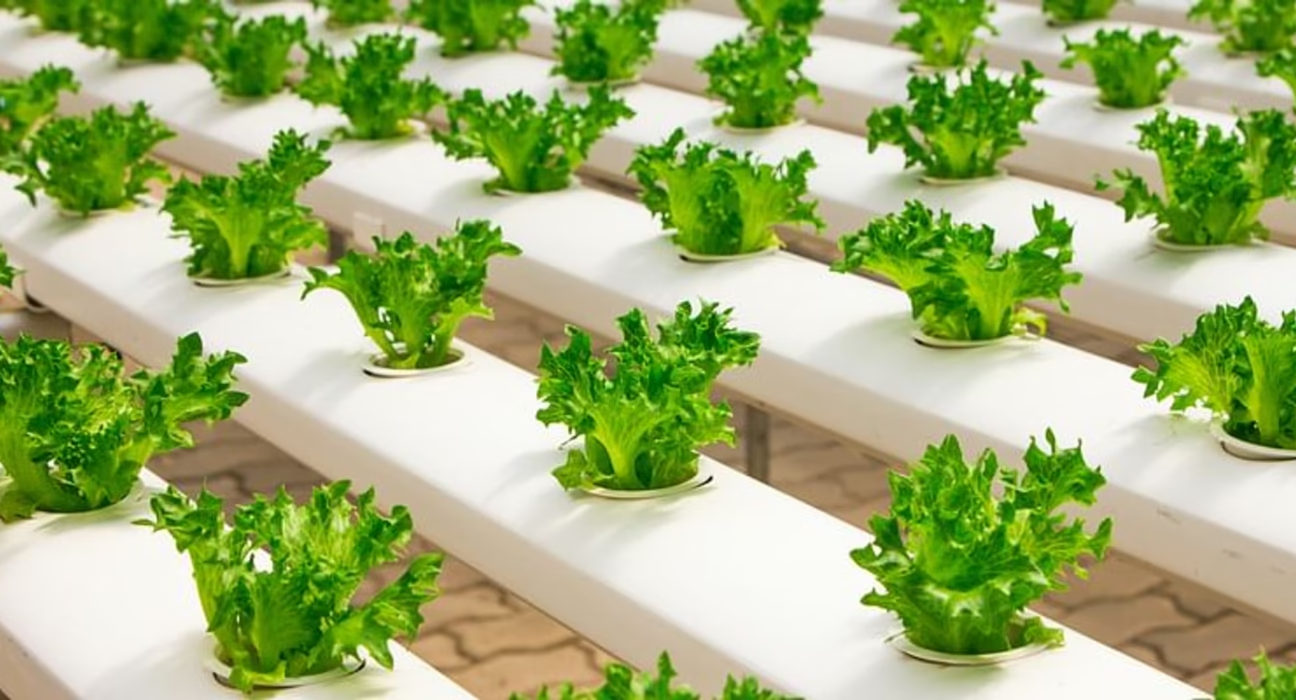
Aquaponics farming is becoming one of the most innovative and sustainable agricultural systems in the world. This farming method combines fish farming and crop production in a single integrated system, allowing farmers to produce food efficiently while conserving water and space.
As demand for sustainable food production increases, aquaponics is gaining popularity among farmers, urban growers and agribusiness entrepreneurs. The system offers an environmentally friendly solution for producing vegetables and fish simultaneously, making it a profitable option for modern agriculture.
What is an Aquaponics Farming System?
Aquaponics is a farming system that combines aquaculture, which is fish farming, with hydroponics, the cultivation of plants without soil. In this system, fish and plants work together in a natural cycle.
Fish produce waste that contains nutrients such as ammonia. Beneficial bacteria convert the ammonia into nitrates, which plants use as nutrients for growth. The plants then help clean the water, which is recirculated back to the fish tanks.
This natural recycling process creates a balanced ecosystem that supports both fish and plant production.
How Aquaponics works
The aquaponics system depends on the relationship between fish, bacteria and plants. Fish release waste into the water, and bacteria break down this waste into nutrients that plants can absorb.
The plants use these nutrients for healthy growth while helping purify the water for the fish. Water continuously circulates through the system, reducing waste and conserving resources.
Because the same water is reused repeatedly, aquaponics systems use much less water compared to traditional farming methods.
Importance of Aquaponics Farming
Aquaponics offers many advantages for farmers and the environment. One major benefit is efficient use of water and space. The system is especially useful in urban areas and regions with limited agricultural land.
Aquaponics farming also:
- Reduces water usage
- Produces both fish and vegetables
- Minimizes chemical fertilizer use
- Supports sustainable food production
The system helps farmers diversify income sources while reducing environmental impact.
Types of Aquaponics Systems
There are several types of aquaponics systems used in farming. Each system differs in design and suitability depending on production goals and available space.
Common aquaponics systems include:
- Media bed systems
- Nutrient film technique systems
- Deep water culture systems
Media bed systems are popular among beginners because they are simple to manage and support both plant growth and biological filtration.
Fish Used in Aquaponics Farming
Several fish species can be raised successfully in aquaponics systems. The choice of fish depends on climate conditions, market demand, and farmer preference.
Common fish species include:
- Tilapia
- Catfish
- Trout
- Carp
Tilapia is one of the most widely used fish because it grows quickly, tolerates varying water conditions, and has strong market demand.
Healthy fish management is essential for maintaining a balanced aquaponics system.
Crops grown in aquaponics
Many crops grow well in aquaponics systems, especially leafy vegetables and herbs. These plants benefit from the nutrient-rich water supplied by the fish system.
Popular crops include:
- Lettuce
- Spinach
- Kale
- Basil
- Tomatoes
Fast-growing vegetables often perform best because they absorb nutrients efficiently and provide quick harvests.
Water management in aquaponics
Water quality is one of the most important factors in successful aquaponics farming. Farmers must monitor water conditions carefully to support both fish and plant health.
Important water parameters include:
- pH levels
- Oxygen levels
- Temperature
- Ammonia concentration
Poor water quality can harm fish, reduce plant growth, and disrupt the balance of the system.
Regular testing and proper filtration help maintain healthy conditions.
Importance of beneficial bacteria
Beneficial bacteria play a critical role in aquaponics systems. These bacteria convert toxic ammonia from fish waste into nitrates that plants can safely absorb.
Without these bacteria, ammonia levels would increase and become harmful to fish. Establishing healthy bacterial populations is therefore essential for system stability and productivity.
Advantages of aquaponics farming
Aquaponics farming offers several economic and environmental benefits. One major advantage is reduced water consumption compared to conventional soil farming.
Other benefits include:
- Year-round food production
- Reduced chemical usage
- Faster plant growth
- Dual income from fish and crops
The system also supports organic and sustainable farming practices, attracting health-conscious consumers.
Challenges of aquaponics farming
Despite its benefits, aquaponics farming also has challenges. Initial setup costs can be high because farmers need tanks, pumps, pipes, and filtration systems.
The system also requires technical knowledge and regular monitoring. Problems such as power failures, water imbalance, or disease outbreaks can affect both fish and crops.
Farmers must understand fish management, water chemistry and plant nutrition to run the system successfully.
Pest and disease management
Aquaponics systems generally experience fewer soil-related diseases because plants are grown without soil. However, pests and diseases can still occur.
Farmers should regularly inspect plants and fish for signs of:
- Insect infestations
- Fungal infections
- Fish diseases
Eco-friendly pest control methods are recommended because chemical pesticides can harm fish and beneficial bacteria.
Maintaining clean equipment and healthy water conditions helps reduce disease risks.
Aquaponics and sustainable agriculture
Aquaponics is considered one of the most sustainable farming methods because it conserves resources and reduces environmental pollution.
The system:
- Recycles water efficiently
- Reduces fertilizer runoff
- Uses limited land space
- Produces food naturally
As climate change and water scarcity continue to affect agriculture, aquaponics offers an innovative solution for future food production.
Marketing opportunities in aquaponics
Aquaponics products often attract premium prices because they are associated with sustainable and chemical-free production methods.
Farmers can market:
- Fresh vegetables
- Fish products
- Organic produce
Urban consumers, hotels, supermarkets, and restaurants are increasingly interested in fresh and sustainably produced foods.
Value addition and direct marketing can further increase profitability.
Tips for successful aquaponics farming
Farmers interested in aquaponics should start with proper planning and manageable system sizes. Learning the basics of fish farming and hydroponics is important before scaling up production.
Success in aquaponics depends on:
- Good water management
- Proper feeding practices
- Regular monitoring
- Quality fish and plant selection
Continuous learning and system maintenance are essential for long-term productivity.
Aquaponics farming is an innovative and sustainable agricultural system that combines fish farming and crop production in a single ecosystem. The system conserves water, reduces chemical use and supports year-round food production.
Although aquaponics requires careful management and technical knowledge, it offers excellent opportunities for modern farmers seeking efficient and environmentally friendly farming methods. With proper planning and management, aquaponics farming can become a profitable and sustainable agribusiness venture for the future.

Author: Moureen Koech
Moureen Koech is a passionate Digital Journalist, an adept Agribusiness Writer with a keen eye for news and an impactful story-teller,whose stories provide key value to Agripreneurs and stakeholders in the Agricultural sector


