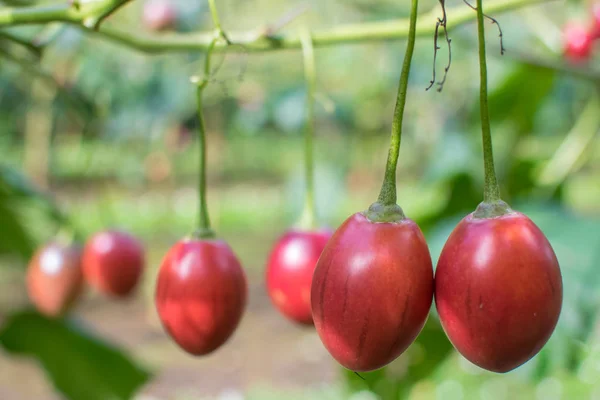
Tamarillo farming is becoming increasingly popular among farmers looking for profitable fruit farming opportunities. Tamarillo, commonly known as the tree tomato, is a fast-growing fruit crop valued for its nutritional benefits, attractive appearance and strong market demand. The fruit is widely consumed fresh, blended into juices, or used in sauces, salads, and jams.
Due to its high value and growing popularity in local and export markets, tamarillo farming offers excellent income opportunities for both small-scale and commercial farmers. With proper management, farmers can achieve good yields and consistent profits from this nutritious fruit crop.
What is Tamarillo?
Tamarillo also known as Tree Tomato is a small fruit-bearing tree scientifically known as Solanum betaceum. It belongs to the same family as tomatoes, potatoes and eggplants.
The fruit is oval-shaped and comes in different colors including red, yellow, and orange. Tamarillo fruits have a unique sweet and slightly tangy flavor, making them popular in food processing and fresh fruit markets.
The tree grows quickly and can start producing fruits within one to two years after planting. Tamarillo plants can continue producing fruits for several years under good management practices.
Importance of Tamarillo Farming
Tamarillo farming has become attractive because of the increasing demand for healthy fruits rich in vitamins and antioxidants. The fruit contains:
- Vitamin C
- Vitamin A
- Fiber
- Antioxidants
These nutritional benefits make tamarillo popular among health-conscious consumers.
The crop also offers:
- Fast maturity
- High market value
- Continuous fruit production
- Good adaptability to highland regions
Farmers can earn steady income because tamarillo trees produce fruits over an extended period.
Climate requirements for Tamarillo Farming
Tamarillo grows best in cool to warm climates with moderate rainfall. The crop performs well in highland and mid-altitude areas where temperatures range between 15°C and 25°C.
The plant requires adequate sunlight for healthy growth and fruit development. However, extremely high temperatures and strong winds may damage flowers and reduce fruit quality.
Areas with well-distributed rainfall are ideal, although irrigation may be necessary during dry periods.
Soil Requirements
Tamarillo farming performs best in fertile, well-drained soils rich in organic matter. Loamy soils with good moisture retention are highly suitable for healthy root development.
Waterlogged soils should be avoided because excess moisture can cause root rot and fungal diseases. Slightly acidic soils are generally ideal for tamarillo production.
Before planting, farmers should conduct soil testing to determine nutrient levels and improve fertility where necessary.
Land Preparation
Proper land preparation is important for successful tamarillo farming. The land should be cleared of weeds and cultivated thoroughly to improve soil aeration and water infiltration.
Farmers are encouraged to add compost or well-decomposed manure during land preparation to enrich soil fertility. Planting holes should be prepared early to allow the soil to settle before transplanting seedlings.
Good land preparation supports strong root establishment and healthy plant growth.
Tamarillo Propagation Methods
Tamarillo can be propagated using seeds or cuttings. Seed propagation is common because seeds germinate easily under suitable conditions.
However, propagation through cuttings is often preferred because it:
- Produces uniform plants
- Shortens maturity period
- Maintains desirable fruit qualities
Healthy and disease-free planting materials are essential for achieving good yields.
How to Plant Tamarillo
Seedlings are usually transplanted into the field once they are strong enough to survive outdoor conditions. Proper spacing is important to allow adequate sunlight penetration and air circulation.
During planting:
- Dig suitable planting holes
- Mix soil with organic manure
- Water seedlings immediately after transplanting
Mulching around the plants helps conserve soil moisture and suppress weeds.
Farmers should plant tamarillo at the beginning of the rainy season for better establishment.
Water Management in Tamarillo Farming
Tamarillo plants require adequate moisture for proper growth and fruit production. Young plants especially need regular watering during dry periods.
However, overwatering should be avoided because waterlogged conditions increase the risk of diseases. Proper drainage systems are important for maintaining healthy root conditions.
Mulching helps conserve moisture and reduce water evaporation from the soil.
Fertilizer Application
Tamarillo plants require sufficient nutrients for vigorous growth and high fruit production. Organic manure improves soil fertility and supports healthy plant development.
Balanced fertilizers containing nitrogen, phosphorus, and potassium help improve:
- Flower formation
- Fruit development
- Plant health
Fertilizer application should be done carefully to avoid excessive vegetative growth at the expense of fruit production.
Weed Control
Weeds compete with tamarillo plants for nutrients, water and sunlight. Effective weed control is essential, especially during the early growth stages.
Farmers can manage weeds through:
- Mulching
- Manual weeding
- Proper spacing
Keeping the field clean also reduces pest and disease risks.
Pruning and Plant Management
Pruning is an important management practice in tamarillo farming. Removing weak, damaged, or overcrowded branches improves air circulation and sunlight penetration.
Proper pruning helps:
- Encourage healthy growth
- Improve fruit quality
- Reduce disease spread
Supporting heavy branches may also prevent breakage during fruiting.
Common Pests and Diseases
Like many fruit crops, tamarillo is vulnerable to pests and diseases. Common problems include aphids, whiteflies, fruit flies, fungal infections and root diseases.
Farmers should regularly inspect plants for symptoms such as:
- Yellowing leaves
- Wilting
- Damaged fruits
- Leaf spots
Good farm hygiene, crop rotation and eco-friendly pest control methods help reduce infestations and maintain healthy plants.
Tamarillo Flowering and Fruiting
Tamarillo trees begin flowering several months after planting. Healthy plants produce clusters of flowers that later develop into fruits.
Fruit production depends on proper nutrition, adequate moisture, and good plant care. Under good management, tamarillo trees can produce fruits continuously over multiple seasons.
Harvesting Tamarillo Fruits
Tamarillo fruits are harvested when they develop full color and reach the desired ripeness. Harvesting should be done carefully to avoid damaging the fruits and branches.
Fresh fruits should be handled gently because they bruise easily. Proper sorting and packaging improve market quality and reduce post-harvest losses.
Marketing Opportunities for Tamarillo
Tamarillo fruits have strong demand in:
- Fresh fruit markets
- Juice processing industries
- Hotels and restaurants
- Export markets
Value addition through juice making, jam production and packaging can increase profits significantly.
Farmers who target health-conscious consumers often benefit from premium prices due to the fruit’s nutritional value
Tamarillo farming is a profitable fruit farming venture with growing market demand and excellent income potential. The crop is relatively easy to manage and can produce fruits continuously under proper care.
By selecting suitable planting materials, maintaining proper soil fertility, managing pests and diseases, and practicing good crop care, farmers can achieve high yields and quality fruits. As demand for healthy fruits continues to rise, tamarillo farming remains a promising agribusiness opportunity for modern farmers.

Author: Moureen Koech
Moureen Koech is a passionate Digital Journalist, an adept Agribusiness Writer with a keen eye for news and an impactful story-teller,whose stories provide key value to Agripreneurs and stakeholders in the Agricultural sector