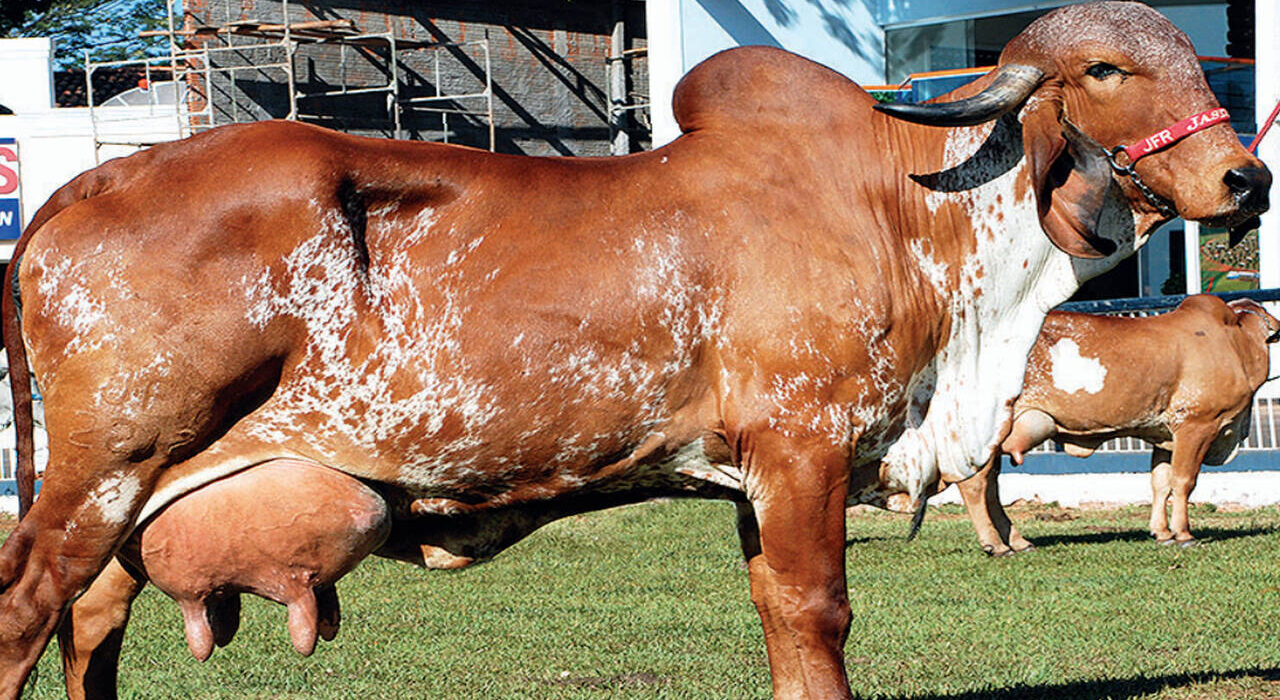
Indigenous livestock breeds play a major role in agriculture and food security across Africa. These animals have been raised by local communities for generations and are well adapted to the environmental conditions of their regions. Unlike exotic breeds that often require intensive management and expensive feeding programs, indigenous livestock are known for their resilience, disease resistance and ability to survive in harsh climates.
In Kenya and many other African countries, indigenous livestock farming remains an important source of income, food, and cultural value. Farmers keep indigenous cattle, goats, sheep, poultry, camels, and pigs for milk, meat, eggs, manure and breeding purposes. As climate change and rising farming costs continue to affect agriculture, many farmers are rediscovering the value of indigenous breeds because of their low maintenance requirements and adaptability.
What are indigenous livestock breeds?
Indigenous livestock breeds are animal species that originated and developed naturally within a particular region over many years. These animals adapted to local climates, diseases and feeding conditions through natural selection and traditional farming systems.
Examples of indigenous livestock breeds in Africa include the East African Zebu cattle, Red Maasai sheep, Galla goats, indigenous chickens and Somali camels. These breeds are usually managed under traditional grazing or free-range systems and are highly valued by rural communities.
Unlike imported exotic breeds, indigenous animals are generally more tolerant to heat, drought, parasites and local diseases. This makes them suitable for farming in areas with limited resources and unpredictable weather conditions.
Importance of indigenous livestock breeds
Indigenous livestock breeds contribute significantly to food production and rural livelihoods. Millions of small-scale farmers depend on them for milk, meat, eggs, hides, manure and income generation.
These animals are especially important in arid and semi-arid regions where harsh environmental conditions make exotic livestock farming difficult. Indigenous breeds can survive on poor-quality feeds and limited water supplies while still maintaining production.
Indigenous livestock also preserve cultural heritage and traditional farming knowledge. Many communities use livestock in ceremonies, dowry payments, and social functions, making them valuable beyond economic benefits.
In addition, indigenous breeds help maintain biodiversity in agriculture. Preserving these breeds protects valuable genetic traits such as disease resistance, heat tolerance and adaptability to climate change.
Indigenous cattle breeds
Indigenous cattle breeds are widely kept for milk, meat and draft power. The East African Zebu is one of the most common indigenous cattle breeds in Kenya and neighboring countries. It is highly resistant to drought, ticks and tropical diseases.
Although indigenous cattle produce less milk compared to exotic dairy breeds, they survive better under harsh conditions and require less expensive management. Boran cattle are another popular indigenous breed known for good meat quality and adaptability to dry areas.
Ankole cattle, recognized by their large horns, are also valued for meat and milk production. Many farmers prefer indigenous cattle because they can graze on natural pastures and tolerate long periods without water.
Indigenous goat breeds
Goats are among the most important livestock species in Africa due to their ability to survive in dry regions. Indigenous goat breeds such as the Galla goat and Small East African goat are highly adaptable and resistant to diseases.
These goats provide meat, milk, skins and manure for farming households. Goat farming is profitable because goats reproduce quickly and require relatively low investment.
Indigenous goats can feed on shrubs and dry vegetation that other animals may not consume. This makes them ideal for areas with poor grazing conditions. Their hardiness and low maintenance costs make them attractive to small-scale farmers.
Indigenous sheep breeds
Indigenous sheep breeds such as the Red Maasai sheep are highly valued for their resistance to parasites and diseases. These sheep survive well in hot climates and can graze on poor-quality pastures.
Sheep farming provides meat, wool, skins and manure for farmers. Indigenous sheep are particularly important in pastoral communities where they contribute to household income and food security.
Compared to exotic sheep breeds, indigenous sheep require less intensive management and are better adapted to local environmental conditions.
Indigenous chicken breeds
Indigenous chicken farming is very popular among rural households because it requires little capital and management. Indigenous chickens are usually raised under free-range systems where they search for food naturally.
These birds are highly resistant to local diseases and harsh weather conditions. Their meat and eggs are also preferred by many consumers due to their taste and perceived nutritional value.
Although indigenous chickens grow slower and produce fewer eggs compared to commercial poultry breeds, they are cheaper to maintain and more resilient. Farmers can improve productivity through proper feeding, vaccination, and selective breeding.
Indigenous camel breeds
Camels are extremely important in arid and semi-arid regions where water and pasture are scarce. Indigenous camel breeds are adapted to harsh desert conditions and can survive for long periods without water.
Camel farming provides milk, meat, transport and income for pastoral communities. Camel milk is highly nutritious and increasingly popular in urban markets due to its health benefits.
As climate change increases drought frequency, camel farming is becoming more attractive because camels tolerate dry conditions better than many other livestock species.
Benefits of indigenous livestock farming
One of the biggest advantages of indigenous livestock breeds is their adaptability. These animals can survive under harsh environmental conditions with minimal inputs. Farmers spend less money on feeds, veterinary care, and housing compared to exotic breeds.
Indigenous breeds are also more resistant to local diseases and parasites, reducing losses and treatment costs. Their ability to utilize natural grazing resources makes them suitable for low-cost farming systems.
These animals also play an important role in sustainable agriculture because they are well adapted to local ecosystems and require fewer external resources.
Challenges facing indigenous livestock breeds
Despite their benefits, indigenous livestock breeds face several challenges. Crossbreeding with exotic animals is reducing the population of pure indigenous breeds. Many farmers prefer exotic breeds due to their higher milk or meat production.
Poor feeding, lack of veterinary services, and limited market access also affect productivity. Climate change, drought and land degradation continue to threaten traditional livestock farming systems.
There is also limited investment in research and breeding programs for indigenous livestock compared to commercial exotic breeds.
Indigenous livestock breeds remain an important part of African agriculture due to their resilience, adaptability, and low maintenance requirements. These animals provide food, income and cultural value to millions of farming households.
Indigenous cattle, goats, sheep, chicken and camels are especially suitable for areas affected by drought, diseases and limited resources. Preserving and improving indigenous livestock breeds is essential for sustainable agriculture, food security and climate change adaptation.
Farmers can increase productivity by combining traditional knowledge with modern livestock management practices such as proper feeding, vaccination and selective breeding. With growing interest in sustainable farming, indigenous livestock breeds will continue to play a major role in the future of agriculture.

Author: Moureen Koech
Moureen Koech is a passionate Digital Journalist, an adept Agribusiness Writer with a keen eye for news and an impactful story-teller,whose stories provide key value to Agripreneurs and stakeholders in the Agricultural sector