Soursop farming is emerging as one of the promising fruit agribusiness opportunities in Kenya due to growing consumer demand for nutritious and exotic fruits. Also known as graviola, guanabana or Annona muricata, soursop is valued for its sweet and slightly sour taste, rich nutritional content, and increasing use in fresh fruit markets and value-added products.
Although still relatively undergrown compared to traditional fruit crops, soursop presents an opportunity for Kenyan farmers looking to diversify income streams and tap into niche markets. With proper establishment and management, farmers can achieve good yields and long-term returns.
What is Soursop?
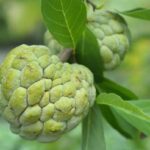
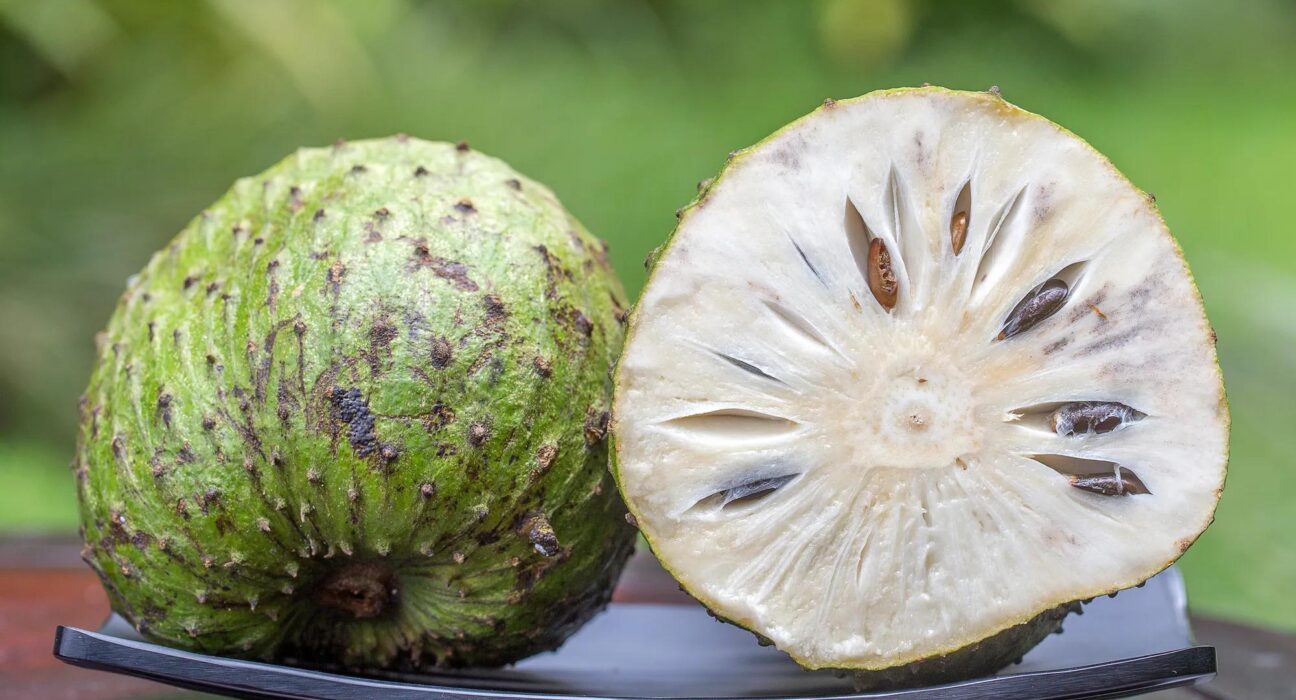
Soursop is a tropical fruit tree belonging to the Annona family, the same family as custard apple. The fruit is large, green, and covered with soft spines. Inside, it contains white juicy flesh with black seeds.
The fruit is popular for fresh consumption and is also processed into:
- Juice
- Smoothies
- Ice cream
- Yogurt products
- Jams
- Fruit concentrates
Soursop has gained attention among health-conscious consumers because it contains vitamins, antioxidants, dietary fiber and minerals.
Suitable areas for soursop farming in Kenya
Soursop grows best in warm tropical and subtropical climates. It performs well in areas with moderate rainfall and temperatures ranging between 25°C and 32°C.
In Kenya, suitable growing regions include:
- Coastal Kenya
- Lower Eastern region
- Parts of Central Kenya
- Western Kenya
- Selected warm areas of Rift Valley
- Lakeside regions
The crop performs best at altitudes below approximately 1,200 meters above sea level.
Areas with prolonged cold conditions or frost are generally unsuitable.
Soil requirements
Soursop thrives in fertile, well-drained soils rich in organic matter. Sandy loam and loamy soils are ideal.
Recommended soil conditions:
- pH range of 5.5–6.5
- Good drainage
- Moderate moisture retention
- High organic matter content
Before planting:
- Conduct soil testing
- Clear land thoroughly
- Add well-decomposed manure
- Prepare planting holes early
Waterlogging should be avoided because excess moisture can cause root damage.
Propagation and planting
Soursop can be propagated through seeds or grafted seedlings.
Grafted seedlings are preferred because they:
- Produce earlier
- Maintain desirable fruit quality
- Offer better uniformity
Planting procedure:
- Dig holes measuring approximately 60 cm × 60 cm × 60 cm.
- Mix topsoil with organic manure.
- Plant healthy seedlings carefully.
- Water immediately after planting.
Recommended spacing is between 5 meters × 5 meters and 6 meters × 6 meters depending on management practices.
Irrigation and water management
Young soursop trees require regular watering during establishment. Mature trees can tolerate short dry periods but perform better with consistent moisture.
Important irrigation practices include:
- Drip irrigation where possible
- Watering during flowering and fruit development
- Mulching to conserve soil moisture
Proper irrigation improves fruit size and overall yields.
Fertilizer and nutrient management
Good nutrition supports healthy growth and quality fruit production.
Recommended nutrient practices:
- Apply organic manure annually
- Use balanced fertilizers where necessary
- Monitor nutrient deficiencies through observation and soil testing
Common nutrient deficiencies may reduce flowering and fruit development.
Mulching also contributes to improved soil fertility.
Pest and disease management
Effective pest and disease management is necessary to maintain productivity.
Common Pests
Fruit Flies
Fruit flies attack developing fruits and reduce market quality.
Control:
- Orchard sanitation
- Fruit trapping
- Proper harvesting practices
Mealybugs and Scale Insects
These pests feed on plant sap and weaken trees.
Control:
- Regular inspection
- Biological controls
- Recommended crop protection products
Common Diseases
Anthracnose
Anthracnose causes fruit spots and affects appearance.
Control:
- Proper pruning
- Fungicide use where necessary
- Avoid overhead irrigation
Root Rot
Poor drainage may encourage root diseases.
Control:
- Maintain proper drainage
- Avoid excessive watering
Flowering and Fruit Production
Soursop trees generally begin fruit production after three to five years depending on the propagation method and growing conditions.
Trees flower several times annually under favorable conditions. Pollination plays an important role in fruit formation.
Well-managed orchards can remain productive for many years.
Harvesting and post-harvest handling
Soursop fruits should be harvested when they reach full size and begin showing slight softness.
Harvesting guidelines:
- Pick carefully to prevent bruising
- Handle fruits gently
- Sort according to quality
- Store in cool conditions
Because soursop ripens quickly, timely marketing is important.
Market opportunities for soursop in Kenya
Demand for soursop is increasing due to growing interest in healthy eating and exotic fruits.
Potential market channels include:
- Local fresh fruit markets
- Supermarkets
- Hotels and restaurants
- Juice processors
- Export opportunities
Farmers can increase income through value addition such as:
- Juice production
- Frozen pulp
- Packaged fruit products
Is soursop farming profitable in Kenya?
Soursop farming offers an attractive opportunity for farmers interested in fruit agribusiness. The crop requires moderate management, has growing consumer demand and provides opportunities for both fresh fruit sales and processing.
Success depends on selecting quality seedlings, maintaining orchard health, proper irrigation and developing reliable market connections.
With increasing interest in nutritious fruits and diversification in agriculture, soursop farming has the potential to become an important income-generating enterprise for Kenyan farmers.

Author: Moureen Koech
Moureen Koech is a passionate Digital Journalist, an adept Agribusiness Writer with a keen eye for news and an impactful story-teller,whose stories provide key value to Agripreneurs and stakeholders in the Agricultural sector