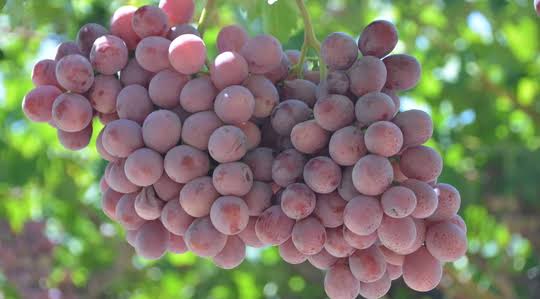
Table grape farming is emerging as one of the most promising high-value fruit enterprises in Kenya. As consumer demand for fresh, sweet and high-quality grapes continues to rise, more farmers are investing in commercial vineyards to supply supermarkets, hotels, restaurants, fruit vendors and local markets. Traditionally, Kenya has relied heavily on imported table grapes, but improved farming techniques and the availability of quality planting materials have made local production increasingly viable.
The success of any vineyard begins with one critical factor—planting healthy, certified table grape seedlings. Vigorous seedlings establish quickly, produce stronger vines, and lay the foundation for years of consistent fruit production. Whether you are planning a small backyard vineyard or a large commercial orchard, choosing the right seedlings and adopting proper management practices are essential for long-term profitability.
Why grow table grapes in Kenya?
Unlike wine grapes, table grapes are cultivated specifically for fresh consumption. They are valued for their attractive appearance, juicy texture, sweetness, and long shelf life. Consumers prefer large, well-coloured grape bunches with a crisp texture, making table grapes a premium fruit in both local and export markets.
One of the biggest advantages of grape farming is that a well-managed vineyard can remain productive for 20 to 30 years. Once established, vines continue producing quality harvests annually, providing farmers with a reliable source of income. With the increasing popularity of healthy diets and fresh fruits, the demand for locally grown grapes is expected to continue growing across Kenya.
Popular table grape varieties in Kenya
Choosing the right variety plays a significant role in determining productivity and market acceptance. Several table grape varieties perform well under Kenyan conditions.
Red Globe is among the most popular varieties due to its large berries, attractive red colour and excellent market appeal. It produces large bunches that fetch premium prices in fresh fruit markets.
Thompson Seedless is another highly sought-after variety. Known for its sweet green seedless berries, it is widely preferred by consumers for fresh eating and is also suitable for making raisins.
Victoria produces attractive black grapes with excellent flavour and good yields. Its vigorous growth and quality fruit make it a favourite among many commercial growers.
Each variety has unique characteristics, allowing farmers to select one based on their target market, climate, and production goals.
Best areas for growing table grapes in Kenya
Table grapes thrive in warm, sunny environments with low to moderate humidity. Areas with long hours of sunshine encourage better fruit colouring, sugar accumulation and healthy vine development.
Suitable grape-growing regions in Kenya include parts of Machakos, Makueni, Kitui, Kajiado, Nakuru, Laikipia, Baringo, Narok and selected areas of Uasin Gishu. Other regions with favourable microclimates and access to irrigation can also support successful grape production.
Reliable irrigation is particularly important in semi-arid regions where rainfall may not be sufficient throughout the growing season.
Soil requirements for healthy vine growth
Table grapes perform best in deep, fertile, and well-drained soils rich in organic matter. Good drainage is particularly important because grape roots are highly sensitive to waterlogging, which can lead to root diseases and poor vine growth.
A soil pH of between 5.5 and 7.0 is considered ideal. Before establishing a vineyard, farmers should conduct a soil test to determine nutrient levels and pH. Soil testing helps guide fertilizer application and ensures balanced nutrition from the beginning.
Incorporating well-decomposed manure into the soil before planting improves fertility, enhances moisture retention, and promotes healthy root development.
Planting and recommended spacing
Proper vineyard layout ensures adequate sunlight penetration, airflow and ease of management. Recommended spacing for table grapes is generally 2 metres by 3 metres or 2.5 metres by 3 metres, depending on the grape variety, vine vigour, and trellis system.
Planting holes should be prepared well in advance and filled with a mixture of topsoil and well-rotted organic manure. After planting, seedlings should be watered thoroughly to eliminate air pockets around the roots and encourage quick establishment.
Applying mulch around the base of the plants helps conserve soil moisture, suppress weeds, and regulate soil temperature. However, mulch should not come into direct contact with the stem to reduce the risk of fungal infections.
Irrigation and nutrient management
Consistent moisture is essential, particularly during the establishment stage and fruit development. Water stress can reduce berry size, delay growth and lower yields.
Drip irrigation is widely recommended because it delivers water directly to the root zone while minimizing wastage through evaporation. This method also reduces weed growth and lowers the incidence of certain fungal diseases by keeping foliage dry.
Balanced nutrition is equally important for vigorous vine growth and quality fruit production. Organic manure, combined with appropriate fertilizer application based on soil test recommendations, provides the nutrients required for healthy vines. Nitrogen supports vegetative growth, phosphorus encourages strong root development, while potassium improves fruit quality, sweetness and shelf life.
Trellising and pruning for maximum yields
A strong trellis system is one of the most important investments in grape farming. Trellising supports vine growth, improves exposure to sunlight, enhances air circulation, and makes crop management easier.
Regular pruning is equally essential because grapes produce fruit on new shoots arising from mature wood. Proper pruning removes unproductive growth, stimulates vigorous fruiting shoots, improves bunch size and maintains vine shape.
Well-pruned vineyards also experience fewer disease problems due to improved airflow and easier spray coverage.
Common pests and diseases
Like many fruit crops, grapes are susceptible to several pests and diseases that require regular monitoring. Powdery mildew and downy mildew are among the most common fungal diseases affecting vineyards, especially during humid conditions. Anthracnose may also damage leaves, shoots, and fruits if left unmanaged.
Common insect pests include mealybugs and thrips, while birds can cause significant losses as fruits begin to ripen.
An integrated pest management approach involving proper sanitation, regular scouting, timely spraying where necessary, and good pruning practices helps maintain healthy vines while reducing crop losses.
Harvesting table grapes
Unlike some fruits, grapes do not continue ripening after harvest. Therefore, bunches should only be harvested after achieving full colour, sweetness and flavour.
Harvesting should be done carefully using clean, sharp secateurs to avoid damaging the bunches. Gentle handling during harvesting, sorting and packaging helps preserve fruit quality and extends shelf life, making the grapes more attractive to buyers.
Is table grape farming profitable in Kenya?
Table grape farming offers excellent income potential due to increasing consumer demand and expanding fresh fruit markets. Farmers supplying supermarkets, hotels, restaurants and wholesale markets can earn attractive returns from quality produce.
However, profitability depends on several factors, including planting quality seedlings, proper vineyard establishment, reliable irrigation, effective pruning, balanced nutrition and timely control of pests and diseases. Access to dependable markets and maintaining consistent fruit quality are also critical for long-term success.
Although vineyard establishment requires considerable initial investment, grape farming becomes increasingly profitable as vines mature and begin producing commercial yields over many years.
Table grape farming presents an exciting opportunity for Kenyan farmers seeking to diversify into high-value horticultural crops. With the right grape varieties, suitable growing conditions, quality seedlings, and sound vineyard management practices, farmers can establish productive vineyards capable of generating income for decades.
As demand for fresh, locally produced grapes continues to increase, investing in table grape production can position farmers to benefit from one of Kenya’s fastest-growing fruit markets. Success begins with careful planning, quality planting materials and consistent crop management throughout the life of the vineyard.

Author: Moureen Koech
Moureen Koech is a passionate Digital Journalist, an adept Agribusiness Writer with a keen eye for news and an impactful story-teller,whose stories provide key value to Agripreneurs and stakeholders in the Agricultural sector