Potato farming is one of the most rewarding agricultural enterprises when the crop is properly managed from planting to storage. Whether you are growing potatoes for home consumption or commercial production, good soil preparation, quality seed, proper spacing, adequate moisture and timely harvesting can significantly influence both yield and quality.
Potatoes are adaptable crops that can perform well under suitable climatic and soil conditions. However, producing bigger, healthier tubers requires careful attention throughout the growing season. From preparing seed potatoes to curing and storing the harvested crop, every stage plays an important role.
Here is a complete potato growing guide covering the major steps farmers should follow for a successful harvest.
Step 1: Prepare quality seed potatoes
Successful potato farming starts with selecting good planting material. Farmers should use healthy, certified or disease-free seed potatoes from a reliable source. Avoid planting potatoes that show signs of rotting, disease, insect damage or poor sprouting because unhealthy seed can introduce problems into the field.
Choose firm potatoes with strong, healthy eyes. Seed potatoes can be allowed to sprout before planting through a process commonly known as chitting. Place them in a cool, bright location where they can develop short, sturdy green or purple sprouts.
Large seed potatoes can be cut into smaller pieces before planting. Each piece should have at least one or two healthy eyes capable of producing shoots. After cutting, allow the pieces to dry and form a protective layer over the cut surfaces before planting. This can help reduce the risk of rotting when the pieces are placed in the soil.
Step 2: Prepare rich, well-drained soil
Potatoes perform best in loose, fertile and well-drained soil. Heavy or compacted soils can restrict tuber development and may cause misshapen potatoes. Good drainage is particularly important because waterlogged conditions can encourage diseases and tuber rotting.
Prepare the field thoroughly before planting. Remove weeds and crop residues, break up compacted soil and incorporate well-decomposed compost or manure where appropriate. Soil testing can also help farmers understand nutrient requirements and determine whether amendments are necessary.
Create planting furrows or trenches and place the seed potatoes with the sprouts facing upward. Cover them with a moderate layer of soil rather than burying them too deeply at the beginning.
Proper spacing is also essential. Crowded plants compete for nutrients, water and sunlight, while adequate spacing allows tubers to develop properly and makes field management easier.
Step 3: Water potatoes properly
Water management is one of the most important aspects of potato production. Potatoes require adequate moisture, particularly during periods of active growth and tuber formation.
Keep the soil consistently moist but avoid excessive watering. Waterlogged soil can reduce oxygen around the roots and increase the risk of fungal and bacterial diseases.
The crop’s water requirements can vary depending on soil type, weather conditions and growth stage. Farmers should monitor the field regularly and irrigate when the soil begins to dry.
Consistent moisture is particularly important during tuber formation. Irregular watering followed by excessive moisture can contribute to problems such as tuber cracking and irregular growth.
Step 4: Earth up and control weeds
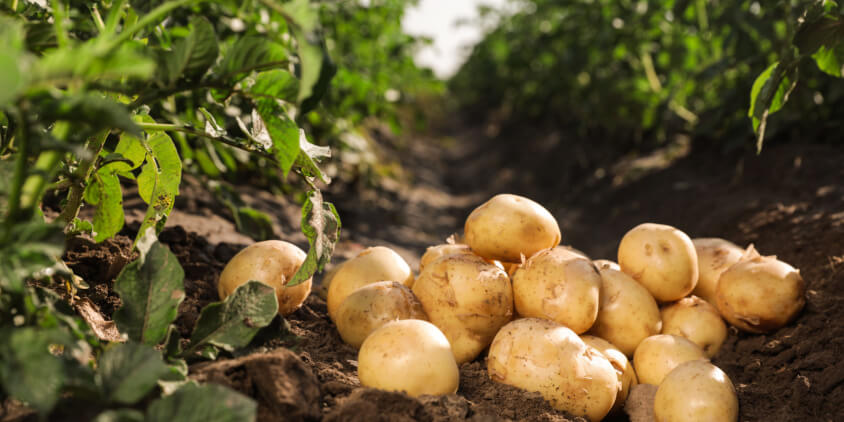
As potato plants grow, farmers should gradually mound or earth up soil around the base of the plants. This practice helps protect developing tubers from sunlight, which can cause potatoes to turn green and develop unwanted compounds.
Hilling also provides additional loose soil in which tubers can develop. Farmers can mound soil around the stems as the plants grow, ensuring that developing potatoes remain covered.
Weed control should also begin early. Weeds compete with potato plants for water, nutrients, sunlight and space. Regular shallow cultivation or appropriate mulching can help suppress weeds while reducing competition during the critical stages of crop development.
Step 5: Feed the crop for strong growth
Potatoes require adequate nutrients to produce healthy foliage and develop good-sized tubers. Organic matter such as well-rotted compost or manure can improve soil structure while contributing nutrients.
However, farmers should avoid applying nutrients blindly. Excessive nitrogen, for example, can encourage excessive leaf growth at the expense of tuber development.
A soil test provides a better basis for developing a fertilizer programme. Potassium, phosphorus and nitrogen all play important roles in potato growth, but the required amounts depend on soil fertility, variety and expected yield.
Farmers should also monitor their crops regularly for signs of nutrient deficiencies, pests and diseases so that corrective measures can be taken early.
Step 6: Monitor pests and diseases
Potatoes can be affected by various pests and diseases, which can reduce both yield and tuber quality. Regular scouting allows farmers to identify problems before they spread throughout the field.
Inspect leaves, stems and the soil around plants for unusual spots, wilting, insect damage or poor growth. Good field sanitation, crop rotation, healthy seed and proper spacing can help reduce disease pressure.
Farmers should also avoid planting potatoes repeatedly in the same field. Rotating potatoes with unrelated crops can help break pest and disease cycles and improve long-term soil health.
Where chemical control is necessary, farmers should use registered products according to label instructions and observe recommended application rates and safety precautions.
Step 7: Know when to harvest potatoes
Harvest timing depends on the intended use of the crop. New potatoes can be harvested while the plants are still green when the tubers have reached a desirable size.
For mature potatoes intended for longer storage, allow the crop to reach full maturity. The foliage will naturally yellow and begin to die back. Mature tubers generally have firmer skins that are better suited to handling and storage.
Harvest carefully to avoid cutting, bruising or damaging the tubers. A garden fork or suitable harvesting equipment can be used to loosen the soil before lifting the potatoes.
Damaged potatoes should be separated from healthy tubers because wounds can become entry points for storage diseases.
Step 8: Cure potatoes before storage
Curing is an important but sometimes overlooked stage of potato production. After harvesting, gently remove excess soil without aggressively washing or scrubbing the tubers.
Allow the potatoes to cure in a cool, dark, well-ventilated area. Curing helps the skin become stronger and allows minor wounds sustained during harvesting to heal.
Avoid exposing harvested potatoes to direct sunlight because this can cause greening. Good ventilation is also important because excessive humidity and poor airflow can encourage rotting.
Step 9: Store potatoes correctly
Proper storage helps farmers preserve potato quality and reduce post-harvest losses. Store mature, healthy potatoes in a dark, cool and well-ventilated environment.
Do not store potatoes together with damaged, rotten or diseased tubers. Inspect stored potatoes regularly and remove any showing signs of decay.
Potatoes should also be protected from excessive heat, moisture and light. Good storage conditions can significantly extend shelf life and help farmers avoid being forced to sell immediately after harvest when market prices may be low.
Successful potato farming does not depend on planting alone. Bigger harvests are achieved through a combination of quality seed potatoes, fertile and well-drained soil, proper spacing, adequate moisture, timely earthing up, effective weed and pest management, careful harvesting and proper storage.
Farmers who manage every stage from soil preparation to storage can improve tuber quality, reduce post-harvest losses and increase the profitability of potato production. With careful planning and consistent crop management, potato farming can become a productive and commercially viable agricultural enterprise.

Author: Moureen Koech
Moureen Koech is a passionate Digital Journalist, an adept Agribusiness Writer with a keen eye for news and an impactful story-teller,whose stories provide key value to Agripreneurs and stakeholders in the Agricultural sector