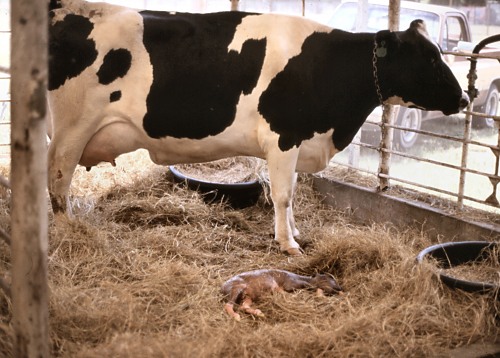
Brucellosis is one of the most significant bacterial diseases affecting cattle worldwide. It causes reproductive losses, reduced milk production, infertility and abortion, leading to substantial economic losses for livestock farmers. Beyond its impact on animal health, brucellosis is also a zoonotic disease, meaning it can spread from animals to humans through direct contact with infected animals or consumption of unpasteurized dairy products.
Because of its serious implications for both livestock production and public health, understanding how to recognize, control, and prevent brucellosis is essential for every cattle farmer.
What is brucellosis?
Brucellosis is a contagious bacterial disease caused primarily by Brucella abortus in cattle. The bacteria mainly affect the reproductive system, causing abortions in pregnant cows, infertility, retained placenta and weak calves.
The disease can affect cattle of all ages, although sexually mature animals are more susceptible. Once infected, many cattle become lifelong carriers, continuously shedding bacteria and posing a risk to other animals in the herd.
Brucellosis is considered one of the most economically important livestock diseases because it reduces productivity while increasing veterinary and herd management costs.
How brucellosis spreads
Brucellosis spreads when healthy cattle come into contact with infected animals or contaminated materials. The bacteria are present in aborted fetuses, placentas, uterine discharges, milk, and other body fluids.
The disease commonly spreads through contaminated feed, water, pasture, bedding and equipment. Calves may become infected by drinking milk from infected cows, while breeding bulls can also spread the bacteria through semen, although this is less common.
Introducing infected animals into a disease-free herd without proper testing remains one of the leading causes of new outbreaks.
Signs and symptoms of brucellosis in cattle
The most noticeable sign of brucellosis is abortion during the last trimester of pregnancy. Farmers may suddenly observe cows aborting seemingly healthy calves without any prior signs of illness.
Affected cows often retain the placenta after calving or abortion, increasing the risk of uterine infections and delayed recovery. Fertility problems are also common, with infected cows taking longer to conceive or failing to become pregnant altogether.
Calves born to infected mothers may be weak, underweight or die shortly after birth.
In breeding bulls, brucellosis may cause swollen testicles, inflammation of the reproductive organs, reduced fertility and poor semen quality.
Some infected cattle may appear completely healthy while silently spreading the disease within the herd.
Why brucellosis is dangerous
Brucellosis causes significant financial losses through repeated abortions, reduced calving rates, decreased milk production, infertility, veterinary expenses and premature culling of infected animals.
The disease also poses a serious public health risk. Humans can become infected by handling aborted materials without protective equipment, assisting infected cows during calving, or consuming raw milk and unpasteurized dairy products.
In people, brucellosis can cause prolonged fever, fatigue, sweating, muscle pain, joint pain, headaches, and weakness. Severe infections may require prolonged antibiotic treatment.
How to diagnose brucellosis
Brucellosis cannot be confirmed based on symptoms alone because several reproductive diseases produce similar signs.
Veterinarians diagnose the disease using laboratory blood tests that detect antibodies against Brucella bacteria. Milk samples, tissue samples or aborted fetuses may also be tested in specialized laboratories.
Routine herd testing is especially important for breeding farms and dairy enterprises where early detection helps prevent widespread transmission.
How to control brucellosis in cattle
Controlling brucellosis requires a combination of good biosecurity, regular testing, vaccination where recommended and strict hygiene practices.
Farmers should purchase replacement animals only from herds known to be free of brucellosis. Newly acquired cattle should be tested and quarantined before joining the main herd.
Any cow that aborts unexpectedly should be isolated immediately until the cause is confirmed. Aborted fetuses, placentas and contaminated bedding should be collected carefully and disposed of safely through deep burial or incineration, following local veterinary guidelines.
The calving area should be thoroughly cleaned and disinfected after every abortion or difficult birth to eliminate bacteria that could infect other animals.
Workers handling aborted materials should wear gloves, protective clothing, and boots before washing thoroughly with soap and clean water after completing the task.
Sharing calving equipment, needles, and veterinary instruments without proper disinfection should be avoided.
Vaccination against brucellosis
Vaccination is one of the most effective preventive measures in areas where brucellosis is present. National veterinary authorities in many countries recommend vaccinating young female calves using approved brucellosis vaccines as part of official disease control programs.
Vaccination reduces the risk of infection and limits disease spread but does not completely eliminate the need for regular testing and strict biosecurity.
Farmers should always consult qualified veterinarians regarding vaccination schedules approved in their country.
Preventing brucellosis on the farm
Prevention remains the most effective and economical approach to managing brucellosis. Farmers should maintain closed herds whenever possible, reducing the introduction of animals from unknown sources.
Regular veterinary inspections, routine testing, proper record keeping, and immediate reporting of abortions improve early disease detection.
Maintaining clean calving pens, disinfecting equipment and preventing contamination of feed and water sources significantly reduce transmission.
Pasteurizing milk before consumption protects farm families and consumers from infection, while educating farm workers about disease risks promotes safer handling practices.
Best management practices
Strong herd management plays a critical role in preventing reproductive diseases. Farmers should keep detailed breeding and calving records, monitor pregnancy performance and investigate any unusual increase in abortions.
Animals confirmed to be infected should be managed according to veterinary and government disease control regulations to prevent further spread.
Working closely with veterinary officers ensures rapid diagnosis, appropriate control measures and compliance with national livestock health programs.
Brucellosis is a highly contagious bacterial disease that threatens cattle productivity, farm profitability, and human health. Although infected animals may appear healthy, they can silently spread the bacteria through aborted materials, milk and reproductive fluids.
The most effective control strategy combines regular herd testing, vaccination where available, strict biosecurity, proper disposal of aborted materials and careful sourcing of replacement animals. Farmers should also practice good hygiene and avoid consuming raw milk to reduce the risk of human infection.
By recognizing the signs of brucellosis early and implementing effective prevention measures, cattle farmers can protect their herds, improve reproductive performance and safeguard the health of everyone who works with livestock.

Author: Moureen Koech
Moureen Koech is a passionate Digital Journalist, an adept Agribusiness Writer with a keen eye for news and an impactful story-teller,whose stories provide key value to Agripreneurs and stakeholders in the Agricultural sector