


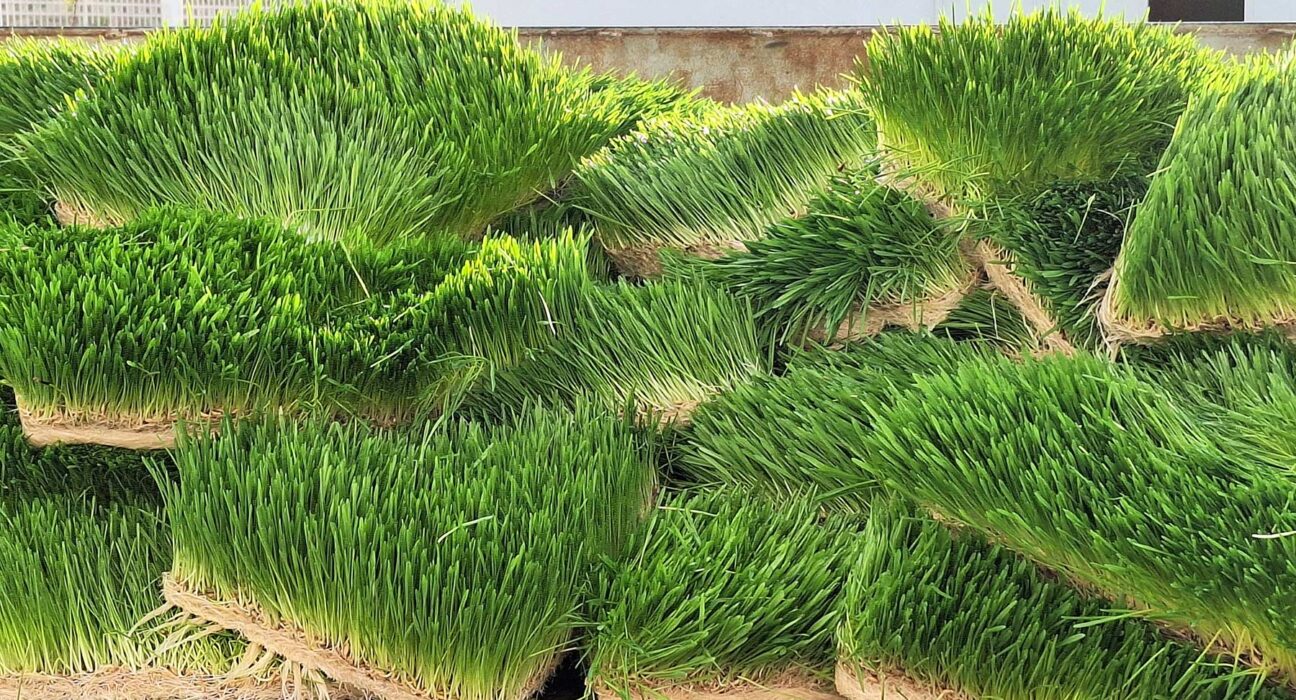
Hydroponic fodder production is a modern livestock feeding system that allows farmers to grow fresh, nutritious animal feed without relying on large areas of farmland. Instead of growing crops to maturity in soil, farmers germinate grains such as maize, barley, wheat, oats or sorghum in trays and harvest the young plants after several days.
The system is becoming increasingly popular among dairy, beef, sheep, goat and rabbit farmers because it can provide fresh green fodder throughout the year, including during dry seasons. However, farmers need to understand both its benefits and limitations before investing in the technology.
What is hydroponic fodder?
Hydroponic fodder is young green forage produced from cereal grains using water and controlled growing conditions rather than soil. The grains are first cleaned and soaked before being spread in shallow trays where they germinate.
Under suitable conditions, the seeds develop roots, shoots and green leaves within approximately 7 to 10 days. The entire fodder mat, including roots and shoots, can then be harvested and fed to livestock.
Common grains used for hydroponic fodder production include maize, barley, wheat, oats and sorghum. The best choice depends on seed availability, cost, germination rate, and the nutritional requirements of the animals.
Why farmers are turning to hydroponic fodder
One of the biggest attractions of hydroponic fodder farming is its efficient use of space. A small production unit can generate fresh fodder throughout the year, making the system particularly useful for farmers with limited land.
The system can also reduce dependence on pasture during periods when natural forage is scarce. Since production takes place in a controlled environment, farmers can maintain a relatively consistent supply despite seasonal changes.
Hydroponic fodder also grows rapidly. Instead of waiting several weeks or months for conventional fodder crops to mature, farmers can harvest the young crop within days.
However, hydroponic fodder should generally be viewed as part of a balanced livestock feeding program rather than a complete replacement for all other feeds.
How hydroponic fodder production works
The production process begins with selecting clean, viable grain with a high germination rate. Poor-quality or damaged seed can result in uneven growth, mould and low yields.
Step 1: Clean the Seeds
Remove dirt, broken grains, stones, and other foreign materials. Clean seed helps reduce contamination during germination.
Step 2: Soak the Grain
The seeds are soaked in clean water to encourage germination. The soaking period varies depending on the grain, so farmers should follow recommendations appropriate for the seed being used.
Step 3: Spread the Seeds in trays
After soaking, the seeds are drained and spread evenly in shallow trays. Avoid excessive seed density because overcrowding can restrict air circulation and encourage mould growth.
Step 4: Provide Water
The trays are watered at regular intervals using clean water. Some commercial systems use automated misting or irrigation systems to maintain consistent moisture.
The goal is to keep the seeds adequately moist without leaving them waterlogged.
Step 5: Maintain the growing environment
Hydroponic fodder performs best under suitable temperature, humidity, ventilation and lighting conditions. A well-designed fodder unit should protect the crop from excessive heat, direct harsh sunlight, pests, and contamination.
Good ventilation is particularly important because high humidity and poor airflow can encourage fungal growth.
Step 6: Harvest the fodder
Depending on the grain and production conditions, the fodder can typically be harvested after about 7 to 10 days.
The entire mat can be removed from the tray, cut into manageable portions, and offered to livestock.
Suitable animals for hydroponic fodder
Hydroponic fodder can be incorporated into diets for various livestock species, including dairy cattle, beef cattle, goats, sheep, rabbits, and some other herbivorous animals.
For dairy cows, it can provide fresh forage as part of the overall ration. Goats and sheep can also consume hydroponic fodder alongside other feeds.
The quantity offered should depend on the animal’s age, production stage, body condition, and total diet. Farmers should consult a livestock nutritionist or veterinarian when making major changes to an animal’s ration.
Nutritional benefits
Fresh hydroponic fodder provides water, fiber, energy, and other nutrients. Germination changes the composition of the seed as it begins to grow, and the resulting fodder can be a useful source of fresh green feed.
However, farmers should avoid assuming that hydroponic fodder automatically provides all the nutrients livestock require. Animal diets must still provide adequate energy, protein, minerals, fiber and other nutrients.
For high-producing dairy cows in particular, a properly balanced ration is essential for maintaining milk production and animal health.
Hydroponic fodder production requirements
A basic hydroponic fodder unit requires several important components:
- Production trays
- A suitable growing structure
- Clean water
- Quality seeds
- Shelving or racks
- Irrigation or misting equipment
- Adequate ventilation
- Drainage
- Harvesting equipment
- Cleaning and sanitation supplies
More advanced systems can include automated timers, pumps, temperature monitoring, humidity control and automatic watering systems.
Farmers with limited capital can begin with a simple manual system before investing in automation.
Common problems in hydroponic fodder production
Mould is one of the biggest challenges facing hydroponic fodder farmers. It is usually associated with excessive moisture, poor ventilation, contaminated seed, overcrowding or inadequate sanitation.
Poor germination can result from low-quality seed, incorrect soaking, unsuitable temperatures or improper moisture management.
Foul smells, slimy roots, discoloration and visible mould are warning signs that the production system needs immediate attention. Contaminated fodder should not be fed to livestock.
Farmers should clean and disinfect trays regularly and avoid allowing old plant material to accumulate inside the growing area.
Is hydroponic fodder profitable?
The profitability of hydroponic fodder production depends on seed prices, water and electricity costs, labour, equipment depreciation, fodder yields and the value of alternative feeds available to the farmer.
The system can be particularly useful where land is expensive or scarce and where conventional green fodder is difficult to produce throughout the year.
Before investing, farmers should calculate the cost of producing one kilogram of fresh fodder and compare it with the cost and nutritional value of alternative feeds.
Tips for successful hydroponic fodder production
Start with a small system and learn how to manage germination, watering, ventilation, hygiene and harvesting before expanding.
Use high-quality seed with good germination potential and maintain strict cleanliness throughout the production cycle.
Keep production records showing the amount of seed used, fodder harvested, water and electricity consumed, labour costs, and any losses. These records will help determine whether the system is economically worthwhile.
Most importantly, do not invest in expensive equipment simply because hydroponic farming is marketed as a high-tech solution. The technology should solve a specific feed problem and make economic sense for your farm.
Hydroponic fodder production offers farmers an innovative way to produce fresh green feed using limited space and water. Its short production cycle and ability to operate throughout the year make it particularly attractive for livestock farmers facing land and forage shortages.
Nevertheless, hydroponic fodder is not a magic solution to livestock feeding challenges. Its value depends on proper production, good hygiene, appropriate harvesting and integration into a balanced animal diet.
With careful planning and accurate cost calculations, hydroponic fodder can become a useful component of a modern livestock enterprise while helping farmers maintain a more reliable supply of fresh feed.

Author: Moureen Koech
Moureen Koech is a passionate Digital Journalist, an adept Agribusiness Writer with a keen eye for news and an impactful story-teller,whose stories provide key value to Agripreneurs and stakeholders in the Agricultural sector


