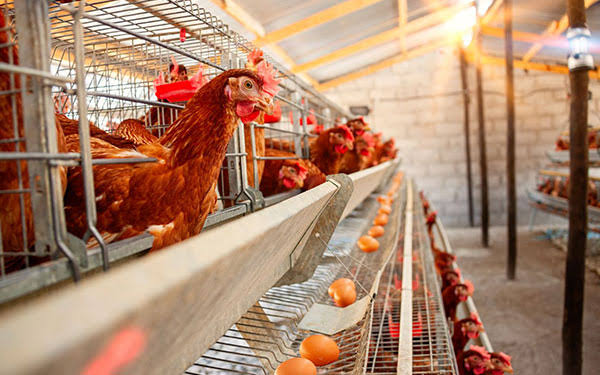
Choosing the best chicken breeds for egg production is one of the most important decisions for anyone starting a poultry farming business. The right breed can produce more eggs, utilize feed efficiently, adapt to local conditions, and provide better returns to the farmer.
In Kenya and other parts of Africa, farmers can choose from commercial layers, improved indigenous chickens, and dual-purpose breeds. The ideal choice depends on whether the priority is maximum egg production, hardiness, low feed costs or a combination of eggs and meat.
What makes a good egg-laying chicken?
A good layer should have a high egg-laying rate, good feed conversion, strong disease resistance and the ability to adapt to the local environment. Farmers should also consider the age at which the breed starts laying, egg size, shell quality, temperament and availability of quality chicks.
A productive laying hen can produce hundreds of eggs annually under good management. However, genetics alone does not guarantee high production. Proper nutrition, housing, disease prevention, lighting, clean water and good flock management are equally important.
1. Isa Brown
Isa Brown is one of the most popular commercial egg-laying breeds among poultry farmers. It is known for producing a large number of brown eggs and performing well under intensive production systems.
Under good management, Isa Brown hens can produce more than 300 eggs per laying cycle, making them attractive to commercial egg producers.
They mature relatively early and are known for good feed efficiency. Farmers looking to establish a commercial layer enterprise can consider Isa Brown where quality chicks and suitable feeds are readily available.
2. Lohmann Brown
Lohmann Brown is another highly productive commercial layer. The breed is recognized for its strong egg production, good egg quality, and efficient use of feed.
Lohmann Brown hens produce brown eggs and are widely used in commercial poultry production. With appropriate nutrition and flock management, they can maintain strong production over an extended laying period.
The breed is particularly suitable for farmers who have access to quality commercial layer feeds and reliable markets for eggs.
3. Hy-Line Brown
Hy-Line Brown is a commercial layer developed specifically for high egg production. It is valued for its efficient feed utilization, excellent laying performance, and good egg quality.
The breed performs best when farmers follow recommended feeding programs and maintain proper environmental conditions.
For commercial farmers, Hy-Line Brown can be an attractive option because high productivity allows feed and other production costs to be spread across a larger number of eggs.
4. Kuroiler
Kuroiler is an improved chicken that has gained popularity among small-scale farmers in Africa. Unlike specialized commercial layers, Kuroilers are considered dual-purpose birds because they can provide both eggs and meat.
They are generally more adaptable to free-range and semi-intensive production systems than highly specialized commercial layers.
Although they may not match commercial layers in maximum egg production, their ability to produce eggs while also providing meat makes them attractive to farmers who want multiple income streams.
5. Kenbro
Kenbro is another popular improved chicken in Kenya, particularly among farmers interested in dual-purpose poultry production.
Kenbro chickens can be kept under free-range, semi-intensive or intensive systems depending on the farmer’s objectives. They produce eggs while also reaching useful market weights for meat.
They may be particularly suitable for smallholder farmers who want a hardy bird rather than a highly specialized commercial layer.
6. Kienyeji Chicken
Improved Kienyeji chickens are among the most popular choices for small-scale poultry farmers in Kenya. Traditional indigenous chickens generally produce fewer eggs than specialized commercial layers, but improved strains have been selected for better growth and egg production.
Their major advantage is adaptability. They can perform well under free-range and semi-intensive systems and can utilize locally available feeds alongside supplementary rations.
For farmers with limited capital, improved Kienyeji chickens can offer an attractive balance between egg production, meat production and resilience.
7. Rhode Island Red
Rhode Island Red is a well-known dual-purpose breed that can produce a good number of brown eggs while also providing meat.
The breed is hardy and adaptable, making it suitable for small-scale poultry keepers. It is not necessarily the highest-producing breed compared with modern commercial layers, but its versatility makes it useful for farmers who want both eggs and meat.
8. Australorp
Australorp chickens are well known for their egg-laying ability and calm temperament. They are considered a good option for small-scale farmers seeking a hardy breed with useful egg production.
Australorps can be kept under free-range or semi-intensive systems, although proper feeding and management are still necessary for good productivity.
Commercial layers vs Kienyeji Chicken
One of the biggest decisions for a poultry farmer is whether to keep commercial layers or improved indigenous chickens.
Commercial layers generally offer higher egg production and are suitable for farmers targeting the commercial egg market. However, they require careful nutrition, housing, vaccination, and management.
Improved Kienyeji chickens generally produce fewer eggs but can be more flexible in their production systems and provide additional income from meat and breeding stock.
The best choice therefore depends on the farmer’s resources and business model.
How to increase egg production
Even the best chicken breed will not perform well without proper management.
Farmers should provide a balanced diet appropriate for the bird’s stage of production. Layer feeds need to provide sufficient energy, protein, calcium, phosphorus, vitamins and other nutrients required for egg production and strong shells.
Clean drinking water should be available at all times. Water shortages can quickly reduce feed intake and egg production.
Good housing is also essential. Poultry houses should have adequate ventilation, sufficient space, clean litter, protection from predators and suitable nesting boxes.
Farmers should also follow appropriate vaccination and disease-prevention programs developed with veterinary professionals.
Common causes of low egg production
A sudden decline in egg production can result from poor nutrition, inadequate water, disease, parasites, heat stress, overcrowding, poor lighting or changes in management.
Age is another important factor. Egg production naturally changes as hens become older.
Farmers should monitor daily egg production and keep records. A sudden drop can provide an early warning that something is wrong within the flock.
Which chicken breed is best for eggs?
For farmers whose primary goal is maximum commercial egg production, specialized breeds such as Isa Brown, Lohmann Brown, and Hy-Line Brown are strong choices.
For farmers who want a combination of eggs, meat, adaptability, and relatively flexible management, improved Kienyeji, Kuroiler and Kenbro can be more suitable.
Ultimately, the best chicken breed depends on your production system, feed budget, climate, access to quality chicks, veterinary support and market for eggs.
Choosing the best chicken breeds for eggs is the foundation of a successful poultry enterprise. Commercial layers can deliver impressive egg production when provided with high-quality feed and professional management, while improved indigenous and dual-purpose breeds offer flexibility for smallholder farmers.
Before purchasing chicks, compare expected egg production, feed requirements, chick costs, housing needs, disease management and market demand. Starting with a breed that matches your resources and business goals will give you a much better chance of building a profitable and sustainable poultry farm.

Author: Moureen Koech
Moureen Koech is a passionate Digital Journalist, an adept Agribusiness Writer with a keen eye for news and an impactful story-teller,whose stories provide key value to Agripreneurs and stakeholders in the Agricultural sector