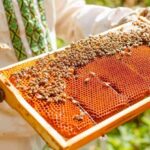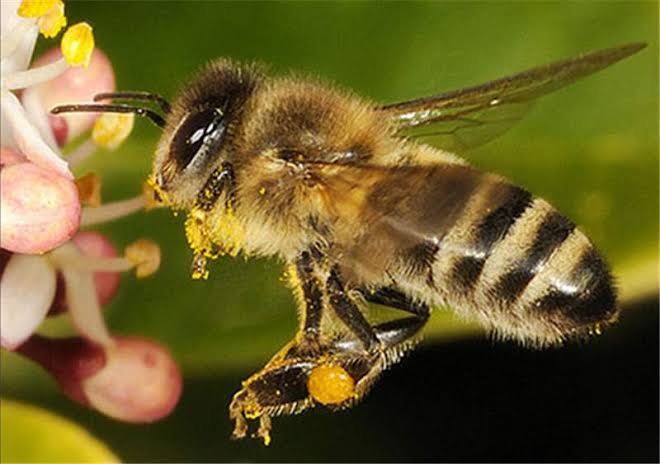
Beekeeping is becoming an increasingly attractive agribusiness venture for farmers looking for an income source that does not require large amounts of land. Bees can be kept alongside crops, livestock and other farming activities, while honey, beeswax and other hive products can provide additional income. However, choosing the right bee species for honey production is an important decision because bee behaviour, climate adaptation, colony strength and management requirements can affect productivity.
In Kenya and other parts of Africa, farmers commonly work with locally adapted honey bees rather than importing exotic species. The best bee for a particular farm depends on the local climate, availability of flowering plants, management system and the beekeeper’s experience.
African Honey Bees
The African honey bee, Apis mellifera, is one of the most important honey-producing bee groups found across Africa. In Kenya, locally adapted honey bees are widely used by small-scale and commercial beekeepers because they are generally well suited to local environmental conditions.
African honey bees are known for their ability to survive in different climates and make use of a wide range of flowering plants. Their colonies can collect nectar from indigenous trees, shrubs, weeds and cultivated crops, making them valuable for honey production as well as pollination.
One important characteristic is their defensive behaviour. African honey bees can be more defensive than some European bee strains, meaning farmers need proper protective clothing, suitable hive placement and good handling skills.
For farmers in Kenya, locally adapted African honey bees are often a practical starting point because they are already suited to the environment and can survive under local conditions.
The East African Honey Bee
The East African honey bee is generally associated with bees adapted to the eastern African region. These bees are valuable to beekeepers because they are adapted to local environmental conditions, including periods of drought and changing availability of forage.
Their ability to exploit different flowering plants can make them suitable for honey production in areas where floral resources vary throughout the year. However, productivity will depend heavily on the availability of nectar and pollen, colony health and the beekeeper’s management practices.
Farmers should therefore avoid choosing bees based on species name alone. A healthy, strong colony adapted to the local environment can perform better than a supposedly high-producing colony that struggles with local conditions.
European Honey Bees
European honey bee races, also belonging to Apis mellifera, are widely used in commercial beekeeping in many parts of the world. Examples include Italian, Carniolan and Caucasian honey bees.
Italian honey bees are known for strong colony development and are widely used commercially. They are often considered manageable and productive under suitable conditions. However, their performance depends on climate, forage availability and management.
Carniolan bees are known for their ability to build colonies quickly and their relatively gentle behaviour. They can be attractive to beekeepers looking for colonies that are easier to handle.
Caucasian bees are also valued for their foraging ability and long tongues, which can allow them to access nectar from certain flowers. However, like other introduced strains, their suitability depends on the local environment and management system.
For Kenyan farmers, introducing exotic bee strains should not be treated as automatically better. Local adaptation, disease resistance, climate tolerance and availability of colonies should be considered carefully.
Which bee is best for honey production in Kenya?
For most Kenyan farmers, locally adapted African honey bees are a practical choice for honey production. They are already adapted to the country’s diverse ecological conditions and can forage on a wide range of indigenous and cultivated plants.
Kenya has different agricultural zones, from dry and semi-arid areas to highland regions with abundant vegetation. Consequently, there is no single bee colony that will produce the same amount of honey everywhere.
A farmer in a region with abundant flowering trees may achieve good honey yields with relatively simple management, while another farmer in an area with limited forage may obtain lower yields regardless of the bee strain.
The availability of forage should therefore be considered alongside the choice of bees.
What makes a good honey-producing colony?
The bee species is only one part of successful honey production. Farmers should also focus on acquiring strong and healthy colonies.
A productive colony should have a healthy queen, adequate worker bees, sufficient brood and good foraging activity. The colony should also be free from obvious signs of pests and diseases.
Farmers should be cautious when purchasing colonies from unreliable sources. Buying weak colonies simply because they are cheap can result in poor honey production and additional expenses later.
The hive itself also matters. Kenya Top Bar Hives and Langstroth hives can both be used for honey production, depending on the farmer’s objectives, budget and level of management. Good hive construction and proper placement can help colonies establish and remain productive.
Importance of bee forage
Even the best bee species cannot produce large quantities of honey without adequate forage. Bees need flowering plants that provide nectar and pollen throughout the year.
Farmers can improve their apiaries by protecting existing flowering trees and planting suitable bee-friendly plants. Agricultural landscapes containing flowering crops, indigenous trees and natural vegetation can provide valuable forage.
Access to clean water is also important, particularly during hot and dry periods. However, water sources should be managed carefully so that bees do not become a nuisance to people or livestock.
Farmers should understand the flowering calendar in their area because honey production often follows periods when particular plants are flowering.
How to increase honey production
Choosing a suitable bee species is only the beginning. Farmers should maintain strong colonies, keep hives in suitable locations and avoid unnecessary disturbance.
Regular inspections can help identify problems before they become serious. Apiaries should also be protected from ants, rodents and other pests. Harmful pesticide use near the apiary should be avoided because exposure to certain agricultural chemicals can cause serious bee losses.
Proper harvesting is equally important. Farmers should avoid taking all the honey from a colony because bees need adequate food reserves, particularly when flowering plants are scarce.
Good post-harvest handling also protects honey quality. Clean harvesting equipment and food-grade containers should be used to reduce contamination and preserve the value of the final product.
The best bee species for honey production depends on the environment, forage availability and management system. In Kenya, locally adapted African honey bees are generally a practical option because they are suited to local conditions and can utilize diverse floral resources.
However, high honey production does not depend on bee species alone. Strong colonies, healthy queens, suitable hives, adequate forage, good pest management and proper harvesting practices all play an important role.
Farmers who want to start beekeeping should therefore focus not only on finding productive bees but also on creating an environment where colonies can thrive. With the right management, beekeeping can provide income from honey, beeswax and other hive products while supporting pollination and crop production.

Author: Moureen Koech
Moureen Koech is a passionate Digital Journalist, an adept Agribusiness Writer with a keen eye for news and an impactful story-teller,whose stories provide key value to Agripreneurs and stakeholders in the Agricultural sector