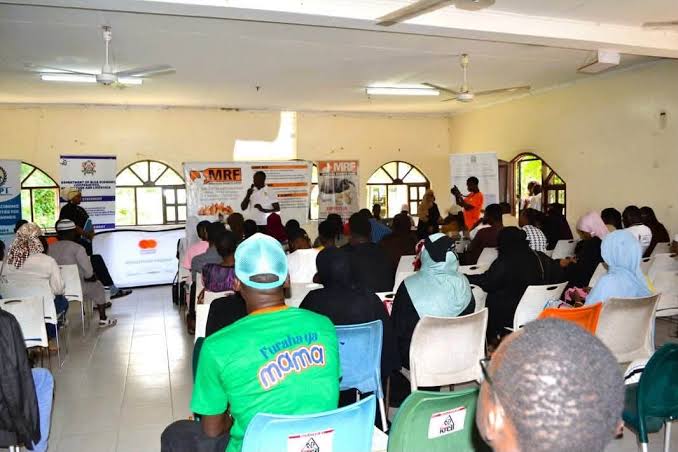
Agriculture is ageing. In many countries, the average farmer is well past fifty, while millions of young people struggle to find work. At the same time, the demand for food, processed products, and agricultural services keeps growing. The meeting point of these two realities is the young agripreneur: a young person who sees farming and its related value chains as a real business opportunity. Training and incubation programs are among the most effective ways to turn that interest into successful enterprises.
Why young agripreneurs matter
Young people bring energy, digital skills, and fresh thinking to a sector that needs all three. They are more comfortable with mobile technology, social media marketing, and online payments, which allows them to build new models for selling produce, delivering inputs, and connecting farmers to markets. Many are also more open to climate-smart methods, value addition, and niche products such as herbs, mushrooms, or organic vegetables.
Their success has wider benefits. Each viable agribusiness creates jobs, strengthens local food supply, and keeps money circulating in rural economies. Encouraging youth participation also helps address unemployment and reduces pressure on cities from rural-to-urban migration. Yet without support, most young people face barriers that are difficult to overcome alone.
The barriers young agripreneurs face
The biggest obstacle is usually access to finance. Banks often require collateral and a track record that young entrepreneurs do not have. Access to land is another challenge, since land is commonly inherited or controlled by older family members. Many young people also lack practical business skills, such as record-keeping, costing, pricing, and negotiating with buyers.
Other barriers include limited market information, weak networks, and negative perceptions of farming as hard, low-income work. Good training and incubation programs are designed to tackle exactly these problems.
What training programs offer
Training programs focus on building knowledge and skills. A strong curriculum combines technical agricultural skills with business management. Technical modules might cover crop and livestock production, post-harvest handling, food safety, and sustainable practices. Business modules typically include financial literacy, business planning, marketing, record-keeping, and basic legal compliance.
The most effective programs are practical. Learning by doing on demonstration farms, field visits, and internships helps participants test ideas in real conditions. Mentorship from experienced farmers and agribusiness owners adds guidance that classroom learning cannot match. Many programs now also include digital skills, teaching participants to use farm management apps, mobile money, e-commerce platforms and social media to reach customers.
What incubation programs add
Training teaches skills, while incubation supports the actual launch and growth of a business. An incubator typically provides a combination of workspace or farm land, equipment, mentorship, networking, and sometimes seed funding. Participants develop and test their business ideas over several months, receiving feedback along the way.
Incubators also open doors. They introduce young entrepreneurs to buyers, suppliers, investors, and policymakers, which can be the difference between a small struggling venture and a scalable business. Some programs offer shared facilities such as processing units, cold storage, or packaging equipment that would be too costly for a new business to buy on its own. By lowering start-up costs and risks, incubators give young agripreneurs room to learn from mistakes without losing everything.
Who runs these programs
Programs come from a range of organizations. Governments run youth enterprise funds and agricultural training schemes. Universities and technical colleges operate agribusiness incubators linked to research. Development organizations and non-profits support youth projects, often targeting women and rural communities. Private companies, including input suppliers, food processors, and banks, sponsor programs to build future customers, suppliers, and partners.
Partnerships between these groups tend to work best. A government can provide policy support, a university can supply expertise, a bank can offer tailored loans, and a private company can guarantee a market for produce.
Features of a successful program
Several features separate strong programs from weak ones. First, they are market-driven, helping participants choose products that buyers actually want. Second, they offer continued support after graduation, since many young businesses fail in their first years without follow-up. Third, they link participants to finance, whether through grants, loans, savings groups, or investors. Fourth, they are inclusive, making deliberate efforts to reach young women, rural youth, and people with limited education. Finally, they measure results, tracking jobs created, income earned, and businesses still operating after several years.
How young people can make the most of these opportunities
Young people interested in agribusiness should research available programs, prepare a clear and realistic business idea, and be ready to learn from mentors. Starting small, keeping accurate records, and building relationships with buyers can strengthen a young business from the start. Joining youth groups or cooperatives can also help with pooling resources, sharing risks, and gaining bargaining power.
Training and incubation programs give young agripreneurs the skills, support, and connections they need to turn ideas into viable businesses. By tackling barriers around finance, knowledge, and market access, these programs help build a younger, more dynamic agricultural sector. Governments, investors, and agribusinesses that invest in youth today are investing in a more productive, resilient, and prosperous food system for the future.

Author: Moureen Koech
Moureen Koech is a passionate Digital Journalist, an adept Agribusiness Writer with a keen eye for news and an impactful story-teller,whose stories provide key value to Agripreneurs and stakeholders in the Agricultural sector