Beekeeping can be a profitable agribusiness in Kenya because bees require relatively little land, can be kept alongside crops, and produce valuable products such as honey, beeswax and propolis. However, keeping bees successfully is not simply a matter of buying hives and waiting for honey. Poor hive placement, weak colony management, improper harvesting and inadequate pest control can reduce honey production and even cause entire colonies to disappear.
For beginners, understanding the common beekeeping mistakes farmers make can prevent unnecessary losses and help build a productive apiary. Whether you are keeping a few hives for household consumption or running a commercial honey business, good management is essential.
Choosing the wrong location for beehives
One of the biggest mistakes new beekeepers make is placing hives in unsuitable locations. Bees need access to abundant flowering plants throughout the year, as well as clean water and a relatively safe environment.
Hives should be placed away from busy roads, schools, homes and areas where people or livestock frequently pass. At the same time, the location should not be completely isolated from forage sources. Farmers should consider the availability of flowering trees, shrubs and crops within the bees’ foraging range.
A good apiary should also have some protection from strong winds, excessive direct sunlight and flooding. Placing hives directly on the ground is another mistake because it exposes them to moisture, ants, termites and other pests. Hives should be raised on suitable stands.
Buying poor-quality or unsuitable hives
Another common beekeeping mistake is purchasing hives without considering their design, construction quality and suitability for the local environment. A poorly constructed hive may have gaps, cracks or an unsuitable entrance, making it difficult for bees to establish and defend the colony.
Farmers should invest in durable hives and ensure they are properly maintained. Depending on the production system and farmer’s objectives, options may include traditional log hives, Kenya Top Bar Hives or Langstroth hives.
The most expensive hive is not necessarily the best choice for every farmer. What matters is selecting a hive that the beekeeper understands how to manage and that can be maintained properly.
Starting with too many hives
Some beginners assume that owning more hives automatically means making more money. They invest heavily in equipment before gaining practical experience.
This can become expensive if colonies fail to occupy the hives or the farmer cannot manage them effectively. Starting with a manageable number of colonies allows a new beekeeper to learn how bees behave, identify problems and improve management skills.
Once the farmer understands colony management and has a reliable market for honey, the apiary can gradually be expanded.
Neglecting regular hive inspection
Leaving bees completely unattended is another mistake. Although bees can manage many aspects of their colony naturally, beekeepers still need to monitor their hives.
Regular inspections can help farmers identify weak colonies, pests, diseases, queen problems, lack of food and damage to hive components. Inspections should be carried out carefully and at appropriate intervals to avoid unnecessarily disturbing the bees.
Farmers should also keep records of colony strength, inspections, feeding where applicable, harvesting and other important observations. Good records make it easier to identify changes in colony performance.
Using poor beekeeping practices during inspections
Bees respond strongly to disturbances, particularly when the beekeeper is inexperienced. Excessive noise, rough handling of hive components, strong smells and sudden movements can make inspections stressful for both the bees and the beekeeper.
A beekeeper should use appropriate protective clothing and equipment, including a bee suit, veil and gloves where necessary. A properly maintained smoker can also help calm bees during hive management.
Beginners should learn proper inspection techniques rather than opening hives unnecessarily. Training from experienced beekeepers can significantly reduce accidents and colony disturbance.
Failing to control pests and predators
Bees face threats from various pests and predators. Ants, wax moths, hive beetles, rodents and other organisms can interfere with colony health and honey production.
Allowing vegetation to grow excessively around hives can provide hiding places for pests. Dirty apiaries and damaged hive stands can also create problems.
Farmers should maintain clean apiary surroundings, inspect colonies regularly and use appropriate control measures. However, chemicals should never be used carelessly around bees because some pesticides can kill bees or contaminate hive products.
Harvesting honey too early
Harvesting honey before it is properly matured can reduce quality and affect its shelf life. New beekeepers may be tempted to harvest as soon as they see honey inside a hive, but timing is important.
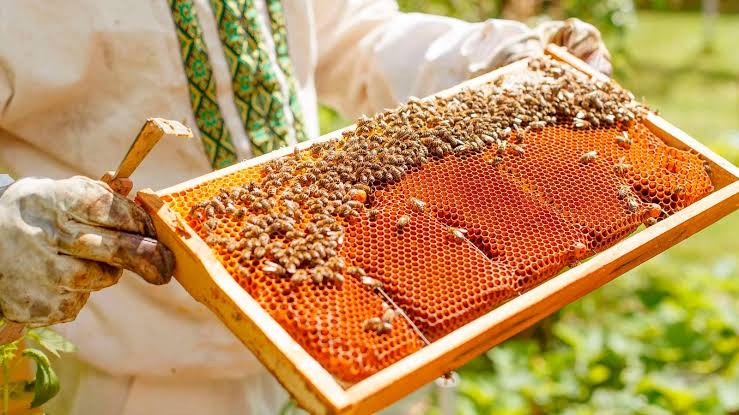
Mature honey is generally capped by bees as they reduce its moisture content. Farmers should learn how to identify mature honey and avoid harvesting immature combs unnecessarily.
Harvesting should also be done carefully to avoid destroying the colony’s food reserves. Bees need adequate honey and other food resources to survive periods when flowers are scarce.
Using poor hygiene during honey harvesting
Poor hygiene can contaminate honey and reduce its market value. Using dirty containers, unclean harvesting equipment or inappropriate storage materials can introduce dust, water and other contaminants.
Honey should be harvested using clean equipment and stored in food-grade containers. Water should not be unnecessarily introduced into honey because excess moisture can encourage fermentation.
Farmers who want to sell honey commercially should pay particular attention to cleanliness, packaging, labelling and proper storage.
Relying only on honey for income
Many beekeepers focus entirely on honey and overlook other products that can generate income. Beeswax, propolis and other hive products can provide additional opportunities when properly collected and processed.
Beeswax, for example, can be used to make candles, cosmetics and other value-added products. This means farmers can potentially increase the value of their apiary beyond selling raw honey.
Value addition can also help farmers reduce dependence on fluctuating honey prices.
Ignoring the business side of beekeeping
A farmer can have productive hives and still make little money if the business is poorly managed. Beekeepers should calculate the costs of hives, protective clothing, transport, equipment, colony acquisition, maintenance, packaging and marketing.
Keeping proper financial records helps determine whether the apiary is actually profitable. Farmers should also identify potential buyers before expanding production. These may include households, retailers, hotels, supermarkets, processors and other honey businesses.
How to avoid beekeeping mistakes
Successful beekeeping requires patience, observation and continuous learning. Beginners should start small, seek practical training and learn how to recognize normal and abnormal colony behaviour.
Farmers should also choose suitable hive locations, maintain clean apiaries, inspect colonies carefully, protect bees from harmful pesticides and harvest honey responsibly. Most importantly, bees should be treated as living colonies rather than simply as sources of honey.
With good management, proper equipment and access to reliable markets, beekeeping in Kenya can become a useful source of farm income while also supporting pollination and agricultural productivity.
Common beekeeping mistakes such as poor hive placement, neglecting inspections, using low-quality equipment, harvesting honey too early and ignoring pests can significantly reduce productivity. Beginners can avoid many of these problems by gaining practical knowledge before investing heavily.
Beekeeping is not a quick-money business. It requires observation, patience and proper management. Farmers who combine good colony care with hygiene, record keeping, value addition and effective marketing have a better chance of building a sustainable and profitable beekeeping enterprise.

Author: Moureen Koech
Moureen Koech is a passionate Digital Journalist, an adept Agribusiness Writer with a keen eye for news and an impactful story-teller,whose stories provide key value to Agripreneurs and stakeholders in the Agricultural sector