Buying sheep is an important investment, whether you are starting a flock, expanding an existing farm or purchasing breeding animals. Choosing the wrong animal can lead to disease problems, poor growth, low fertility and unexpected veterinary expenses. A sheep may look healthy from a distance but still have underlying problems that can affect its performance.
Knowing how to identify a healthy sheep before buying can therefore save farmers money and help them build a productive flock. Before paying for an animal, farmers should examine its body condition, movement, eyes, mouth, coat, breathing, legs and general behaviour.
Look at the sheep’s general appearance
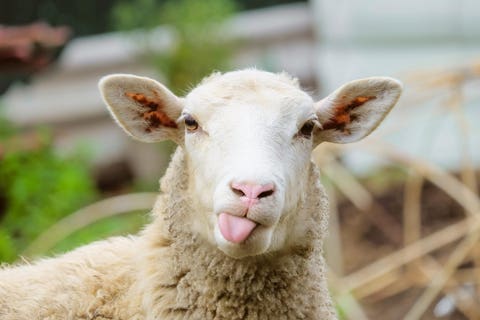
A healthy sheep should appear alert, active and reasonably well-conditioned. When approached, it should normally respond to its surroundings rather than remaining unusually dull or isolated from the flock.
Look at the animal from different angles. Its body should have good overall development without extreme thinness or unexplained swelling. The backbone and ribs should not be excessively prominent, although the ideal body condition varies with breed, age and production stage.
Farmers should also avoid animals that appear severely weak, excessively bloated or physically abnormal.
Check the eyes
The eyes can provide useful clues about a sheep’s health. Healthy sheep generally have clear, bright eyes and should not have excessive discharge, swelling or crusting around the eyelids.
Pale tissues around the eye can also be a warning sign of anaemia, which may be associated with heavy internal parasite burdens or other health problems. However, eye colour alone cannot diagnose a specific disease, so suspicious animals should be examined by a qualified animal health professional.
Examine the nose and breathing
A healthy sheep should generally breathe quietly and comfortably. Watch the animal for a few moments and listen for unusual breathing sounds.
Persistent coughing, difficulty breathing, nasal discharge or rapid, laboured breathing may indicate a respiratory or other health problem. Farmers should be particularly cautious when buying an animal showing several of these signs at the same time.
The nose should also be checked for unusual discharge. A small amount of normal moisture is not necessarily a problem, but thick or excessive discharge deserves attention.
Check the mouth and teeth
The mouth and teeth are especially important when purchasing sheep because they can help determine the animal’s age and ability to feed effectively.
Open the mouth carefully where appropriate and examine the teeth for condition and wear. Severely worn, broken or missing teeth can make it difficult for an older sheep to graze and maintain good body condition.
For breeding animals, knowing the approximate age is important because fertility and productivity can change as animals mature. Ask the seller for the animal’s age and compare the information with its physical appearance and teeth.
Examine the legs and hooves
Strong legs and healthy feet are essential, particularly for breeding animals. A sheep with chronic lameness may struggle to graze, mate or move between feeding areas.
Watch the sheep walk before buying it. It should move reasonably normally without obvious limping, stiffness or reluctance to bear weight on a particular leg.
Examine the hooves for excessive overgrowth, swelling, foul odour or obvious damage. Farmers should be especially careful when purchasing an animal that is reluctant to walk because foot problems can become costly to manage.
Inspect the coat and skin
A healthy sheep should generally have a coat appropriate to its breed and should not have extensive hair loss, wounds, scabs or unexplained skin lesions.
Part the wool or hair and look at the skin underneath. Check for ticks, lice, irritation, wounds and areas of abnormal swelling.
A dull or rough coat can sometimes be associated with poor nutrition, parasites or illness. It does not necessarily mean the sheep is diseased, but it should encourage the buyer to investigate further.
Check body condition
Body condition is one of the most useful things to assess before purchasing a sheep. Extremely thin animals may have nutritional deficiencies, heavy parasite burdens, dental problems or underlying disease.
However, farmers should also avoid buying sheep that are excessively fat, particularly when purchasing breeding stock. The ideal body condition depends on the animal’s age, breed and purpose.
For meat production, farmers may prioritize animals with good growth potential and appropriate muscling. For breeding, reproductive history, body condition and overall health are particularly important.
Observe the animal’s droppings
If possible, observe the sheep’s faeces before purchasing. Healthy-looking pellets are generally preferable to animals with persistent diarrhoea or heavily soiled hindquarters.
Diarrhoea can have many causes, including parasites, infections and dietary problems. It is therefore a warning sign rather than a diagnosis.
A sheep with a dirty rear end, weakness and poor body condition deserves particular caution.
Ask about vaccination and treatment history
A responsible seller should be able to provide information about the animal’s health history. Ask whether the sheep has been vaccinated, dewormed or treated for diseases and parasites.
Farmers should also ask whether the animal has recently been sick or received medication. This information can help the buyer plan quarantine and future management.
Do not rely entirely on verbal assurances. Where possible, obtain relevant farm or veterinary records, particularly when purchasing valuable breeding animals.
Check for signs of pregnancy carefully
If you are buying a ewe advertised as pregnant, do not assume the claim is accurate simply because the seller says so. Pregnancy should be confirmed through appropriate methods, preferably with assistance from a qualified animal health professional.
Buying pregnant ewes can be a significant investment, so confirmation of pregnancy can prevent disputes and financial losses.
Farmers should also ask about the expected lambing date and previous reproductive performance where records are available.
Look at the animal’s history and purpose
A healthy sheep is not automatically a good purchase. The animal should also match your farming goals.
For meat production, consider breed, age, body condition, growth history and market requirements. For breeding, pay greater attention to reproductive history, conformation, mothering ability and the health of previous offspring where such information is available.
Avoid buying an animal simply because it is large or attractive. Performance and health history are often more important than appearance alone.
Quarantine new sheep after purchase
Even when a sheep appears healthy, it is wise to separate newly purchased animals from the existing flock for an appropriate quarantine period. Some diseases and parasites may not show obvious signs immediately.
During quarantine, monitor the animal’s appetite, behaviour, droppings, breathing and general condition. A veterinarian or qualified animal health professional can advise on appropriate testing, vaccination, parasite control and biosecurity measures.
Quarantine helps protect the flock you already have from introducing new health problems.
Knowing how to identify a healthy sheep before buying can protect farmers from expensive mistakes. Buyers should examine the sheep’s eyes, nose, mouth, teeth, legs, hooves, coat, skin, body condition and general behaviour. They should also ask about vaccination, treatment, breeding and health history.
Most importantly, farmers should not rush into a purchase simply because an animal looks attractive or the seller offers a good price. When buying valuable breeding stock, professional veterinary assessment can be worthwhile.
A healthy sheep is more likely to grow well, reproduce successfully and contribute to a profitable flock. Careful selection at the point of purchase is therefore one of the best investments a sheep farmer can make.

Author: Moureen Koech
Moureen Koech is a passionate Digital Journalist, an adept Agribusiness Writer with a keen eye for news and an impactful story-teller,whose stories provide key value to Agripreneurs and stakeholders in the Agricultural sector