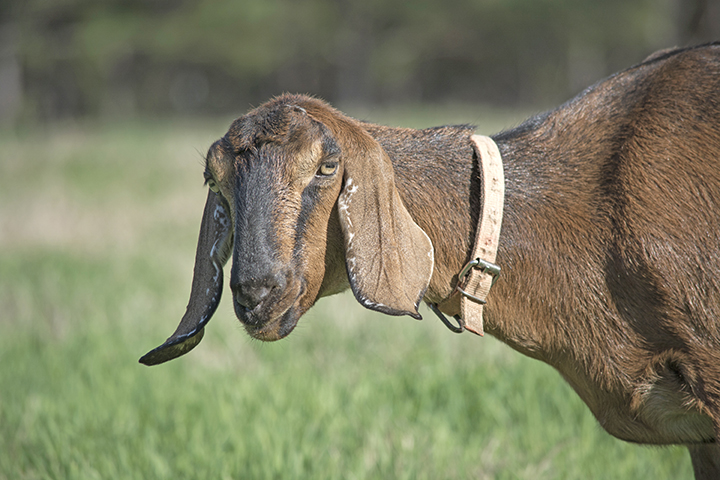
Worm infestation is one of the most common health challenges affecting goats, especially in areas where animals graze on contaminated pastures. Internal parasites can cause weight loss, diarrhoea, anaemia, poor growth and, in severe cases, death. For farmers keeping goats for meat, milk or breeding, controlling worms is therefore an important part of profitable goat farming.
The good news is that farmers can reduce worm problems through a combination of proper grazing management, regular monitoring, good nutrition and responsible use of dewormers. Relying on medicine alone may not be effective because some worms have developed resistance to commonly used deworming drugs.
Signs of worm infestation in goats
Knowing the signs of worm infestation can help farmers act before the problem becomes severe. Goats carrying a heavy worm burden may gradually lose weight even when they appear to be eating normally. Their coats may also become rough, dull or lose their usual shine.
Other common signs include diarrhoea, weakness, reduced appetite, slow growth and poor body condition. Some heavily infected goats may develop anaemia, particularly when affected by blood-sucking worms such as Haemonchus contortus.
A useful warning sign is pale tissue around the lower eyelid. Farmers can use the FAMACHA system, where appropriate training is available, to help identify goats suffering from anaemia caused by blood-feeding parasites. However, pale eyelids can have causes other than worms, so farmers should seek veterinary advice when the condition is severe.
Young goats, pregnant does and animals with poor nutrition may be particularly vulnerable to serious parasite infections.
How to control worms in goats
One of the most effective ways to control worms is to avoid unnecessary exposure to contaminated pasture. Goats can pick up infective worm larvae when grazing close to the ground, particularly in areas contaminated with goat faeces.
Farmers should avoid keeping goats continuously on the same small piece of land. Rotational grazing can help reduce exposure by giving pastures time to recover. Where possible, goats should be moved between grazing areas rather than repeatedly grazing the same section.
Mixed grazing can also be useful. For example, cattle and goats do not always share the same parasite burden, so grazing different livestock species on the same pasture can help reduce the build-up of some goat-specific parasites.
Keeping grass at a reasonable height can also reduce the amount of infective larvae goats consume. Goats should not be forced to graze extremely close to the ground when pasture is heavily contaminated.
Good housing management is equally important. Goat houses should be kept clean and dry, while overcrowding should be avoided. Feeders and water containers should be positioned in a way that prevents goats from defecating directly into feed or water.
Use dewormers responsibly
Deworming medicines, also known as anthelmintics, can be an important tool for controlling worms in goats. However, farmers should avoid routinely giving every goat a dewormer simply because a certain number of weeks have passed.
Overuse or incorrect use of dewormers can contribute to drug resistance. Once worms become resistant to a particular medicine, the treatment may no longer work effectively.
Instead, farmers should base treatment decisions on signs of infection, body condition, parasite monitoring and veterinary guidance where possible. Faecal egg counts can help determine whether goats have a significant parasite burden and can also help farmers assess whether a dewormer is working.
It is important to use the correct medicine, dose and administration method. Goat dosing can differ from dosing in other livestock, and farmers should follow veterinary or product-specific instructions rather than guessing the dose.
After treatment, farmers should monitor the animals to determine whether they are responding. If goats remain weak, lose weight or continue showing signs of infestation, veterinary assistance may be necessary.
Improve goat nutrition and management
Strong and well-nourished goats are generally better able to cope with parasite challenges than animals suffering from poor nutrition. Farmers should provide goats with adequate quality forage, clean water and appropriate mineral supplementation.
Pregnant and lactating does require particular attention because their nutritional requirements are higher. Young kids should also receive adequate nutrition to support proper growth and development.
Providing browse can be beneficial because goats naturally prefer shrubs, leaves and other vegetation rather than constantly grazing short grass. Offering a variety of safe forage sources can help improve their diet while reducing excessive dependence on heavily grazed pasture.
Farmers should also quarantine newly purchased goats before mixing them with the existing herd. New animals can introduce parasites that are resistant to medicines already being used on the farm.
Prevent worm problems before they become severe
Successful worm control is not about eliminating every worm from the goat herd. Some level of parasite exposure is normal, and maintaining a population of worms that remains susceptible to available medicines can help slow the development of resistance.
Farmers should therefore focus on keeping parasite levels low enough that goats remain healthy and productive. Regularly inspecting goats, monitoring body condition and watching for signs such as diarrhoea, weight loss and pale eyelids can help identify problems early.
Pasture management should be combined with targeted treatment rather than depending entirely on deworming drugs. Keeping records of treatments, affected animals and pasture movements can also help farmers identify recurring problems.
Where a herd experiences repeated or severe worm infestations, farmers should consult a veterinarian or livestock health professional. Laboratory testing can help identify the type and level of parasite infection and guide appropriate treatment.
Controlling worms in goats requires more than simply giving deworming medicine. Farmers can reduce worm problems by practising rotational grazing, avoiding overcrowding, keeping housing clean, providing good nutrition and monitoring goats regularly.
Dewormers should be used carefully and only when necessary to reduce the risk of drug resistance. By combining good pasture management with proper monitoring and targeted treatment, goat farmers can protect their animals, improve growth and reduce losses associated with parasite infections.
For serious infestations, unexplained weight loss, severe diarrhoea or anaemia, farmers should seek advice from a qualified veterinarian before treating the herd.

Author: Moureen Koech
Moureen Koech is a passionate Digital Journalist, an adept Agribusiness Writer with a keen eye for news and an impactful story-teller,whose stories provide key value to Agripreneurs and stakeholders in the Agricultural sector