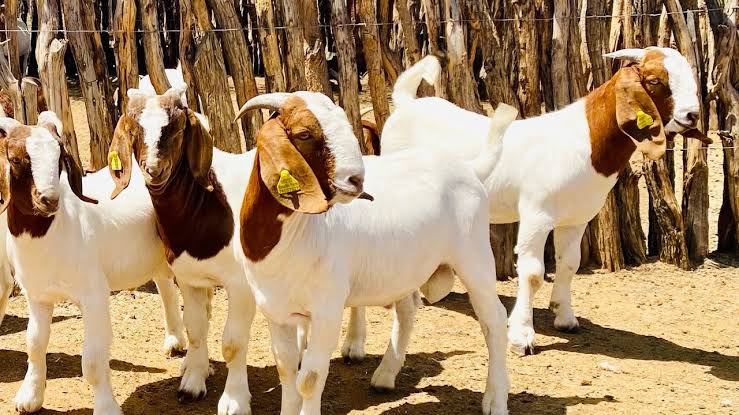
Keeping goats healthy is essential for good growth, reproduction and productivity. Healthy goats are generally active, alert and have a good appetite. However, changes in behaviour, appearance, feeding habits or droppings can indicate that a goat is unwell.
Early identification of health problems allows farmers to take action before a condition becomes severe or spreads to other animals in the herd. Regular observation should therefore be part of everyday goat management.
Changes in appetite and feeding behaviour
One of the most noticeable signs of an unhealthy goat is a change in its appetite. A goat that suddenly stops eating, eats significantly less than usual or struggles to chew should be monitored closely.
Loss of appetite can be associated with several problems, including infections, digestive disorders, dental problems, parasites or other underlying illnesses. Goats that are normally eager to feed but suddenly become uninterested in food may require further examination.
Farmers should also observe whether goats are drinking normally. Excessive drinking or refusing water can sometimes indicate an underlying health problem.
Lethargy and unusual behaviour
Healthy goats are usually alert and responsive to their surroundings. They move around, interact with other goats and show interest in feeding.
A goat that spends most of its time lying down, separates itself from the herd, appears weak or does not respond normally to its surroundings may be sick.
Sudden changes in behaviour are particularly important. Farmers who know the normal behaviour of individual animals are more likely to notice subtle changes at an early stage.
Poor body condition and weight loss
Unexplained weight loss is another important warning sign. A goat may continue eating but gradually lose body condition because of parasites, poor nutrition, chronic disease or other health problems.
Farmers should regularly assess the body condition of their goats rather than relying only on visual appearance. Prominent ribs, hips and backbone may indicate that an animal is losing too much weight.
Poor body condition can affect growth, reproduction and milk production and may make goats more vulnerable to other diseases.
Dull coat and skin problems
A healthy goat generally has a reasonably smooth and well-maintained coat. A rough, dull or patchy coat can be associated with poor nutrition, external parasites or underlying illness.
Farmers should inspect the skin and hair regularly for signs of ticks, lice, wounds, swelling, scabs or areas where hair is falling out.
Persistent scratching or rubbing against structures can also indicate external parasites or skin irritation.
Diarrhoea and abnormal droppings
Changes in goat droppings can provide useful information about digestive health. Healthy adult goats normally produce firm pellets.
Loose or watery droppings, particularly when persistent, should not be ignored. Diarrhoea can result from sudden dietary changes, infections, parasites, contaminated feed or other digestive problems.
Young goats are particularly vulnerable to dehydration when they develop severe diarrhoea. Farmers should seek veterinary advice when diarrhoea is severe, persistent or accompanied by weakness, loss of appetite or other concerning signs.
Coughing, nasal discharge and breathing problems
Respiratory symptoms can also indicate illness. Frequent coughing, difficulty breathing, rapid breathing or discharge from the nose may be signs of a respiratory problem.
A goat that breathes with difficulty, keeps its neck extended or appears distressed should receive prompt veterinary attention.
Good ventilation, clean housing and avoiding overcrowding can help reduce the risk of respiratory problems within the herd.
Pale eyes and gums
The colour of a goat’s lower eyelid or gums can provide clues about its health. Very pale mucous membranes may indicate anaemia, which can have several causes, including heavy parasite burdens.
Farmers can regularly check the colour of the lower eyelid as part of herd monitoring. However, this should not be used as the only method of diagnosing disease because different conditions can produce similar signs.
If a goat has very pale eyelids, weakness or other signs of illness, veterinary assessment is recommended.
Abnormal walking and swelling
Difficulty walking, stiffness, lameness or reluctance to move can indicate injuries, foot problems, joint conditions or other illnesses.
Farmers should regularly inspect the hooves and look for overgrowth, injuries, swelling, foul odours or signs of infection. Keeping housing and walking areas clean and dry can help reduce some hoof-related problems.
Swelling in areas such as the jaw, abdomen, legs or udder should also be investigated, particularly when it appears suddenly or is accompanied by other symptoms.
Changes in milk production
For dairy goats, a sudden reduction in milk production can be an early indication that something is wrong. Changes may be linked to inadequate nutrition, stress, disease, water shortages or problems affecting the udder.
Farmers should examine the udder for swelling, heat, pain or abnormal milk. Such signs may require prompt veterinary attention because udder infections can affect both animal health and milk quality.
How farmers can protect goat health
Prevention is an important part of successful goat farming. Farmers should provide goats with adequate and balanced nutrition, clean drinking water, suitable housing and good hygiene.
Regular parasite control should be based on appropriate veterinary or animal-health guidance rather than routine medication without assessment. Farmers should also maintain vaccination programmes recommended for their area and production system.
New animals should be managed carefully before being introduced into an established herd to reduce the risk of introducing diseases.
Most importantly, farmers should observe their goats every day. Early changes in appetite, behaviour, body condition, droppings, breathing or appearance can provide valuable warning signs.
Recognising the signs of unhealthy goats can help farmers respond to health problems early and protect the rest of the herd. Loss of appetite, weakness, weight loss, a dull coat, diarrhoea, coughing, breathing difficulties, pale eyelids, lameness and abnormal swelling are among the signs that deserve attention.
However, these signs can have different causes, so farmers should avoid relying on symptoms alone to diagnose a disease. Goats showing severe, persistent or rapidly worsening symptoms should be assessed by a qualified animal-health professional.
Good nutrition, hygiene, housing, parasite management, vaccination and regular observation form the foundation of a healthy and productive goat herd.

Author: Moureen Koech
Moureen Koech is a passionate Digital Journalist, an adept Agribusiness Writer with a keen eye for news and an impactful story-teller,whose stories provide key value to Agripreneurs and stakeholders in the Agricultural sector