Agriculture is changing rapidly as farmers adopt technology to improve productivity, reduce costs and manage resources more efficiently. Smart farming technologies are helping farmers make better decisions by providing information about crops, livestock, soil, weather and farm operations.
Smart farming refers to the use of digital tools, sensors, data and automated systems to improve agricultural production. These technologies can be useful for both small-scale and large-scale farmers, although the most appropriate technology depends on the size of the farm, available resources and specific production needs.
Understanding emerging agricultural technologies can help farmers identify practical solutions that can improve efficiency and reduce unnecessary losses.
Soil Sensors
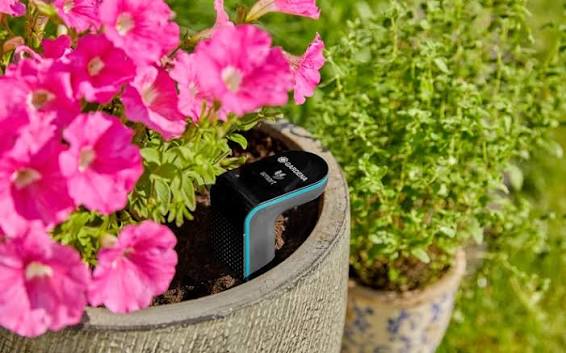
Soil sensors are among the technologies being used to provide farmers with information about soil conditions. Depending on the type of sensor, they can measure factors such as soil moisture, temperature and other characteristics.
This information can help farmers determine when crops may require irrigation. Instead of watering crops according to a fixed schedule, farmers can use soil moisture information to make more informed decisions.
Better monitoring can help reduce unnecessary water use while ensuring that crops receive adequate moisture. Soil sensors can be particularly useful in farms using irrigation systems.
Smart Irrigation Systems
Smart irrigation combines irrigation equipment with sensors, timers and digital controls to improve water management. Some systems can automatically adjust irrigation based on soil moisture, weather conditions or crop requirements.
Smart irrigation can help reduce water wastage and labour requirements. It can also provide farmers with greater control over irrigation schedules.
When combined with drip irrigation and water storage, smart irrigation technology can contribute to more efficient use of scarce water resources.
Agricultural Drones
Drones are increasingly being used for agricultural monitoring. Equipped with cameras and other sensors, drones can capture aerial images of farms and provide information about crop conditions.
Farmers can use drone imagery to identify areas that may require closer inspection. Drones can also support activities such as mapping farmland, monitoring crop development and assessing certain field conditions.
The usefulness of drones depends on factors such as farm size, terrain, crop type and the type of information required.
GPS and Farm Mapping
GPS technology can help farmers map their fields and accurately identify different areas of a farm. Digital maps can provide useful information about field boundaries, crop locations, irrigation systems and other farm infrastructure.
Farm mapping can support more organised farm management and help farmers plan activities such as planting, fertiliser application and harvesting.
For larger farms, accurate mapping can also help improve the management of machinery and other resources.
Weather Monitoring Technology
Weather conditions can have a major impact on agricultural production. Weather monitoring tools can provide information about rainfall, temperature, humidity, wind and other conditions.
Farmers can use weather information when planning activities such as planting, irrigation, spraying and harvesting.
Access to timely weather information can help farmers prepare for changing conditions and reduce the risks associated with unexpected weather events.
Automated Greenhouse Systems
Technology is also transforming greenhouse farming. Automated greenhouse systems can monitor and regulate factors such as temperature, humidity, ventilation and irrigation.
Sensors can collect information about conditions inside the greenhouse, while automated equipment can respond to changes according to programmed settings.
These systems can improve environmental control and reduce the amount of manual work required. However, farmers should assess the cost and complexity of automation before investing in such systems.
Farm Management Software
Farm management software allows farmers to organise important information about their agricultural operations. Depending on the software, farmers can record expenses, sales, production, inventory, labour and farm activities.
Digital records can make it easier to track business performance and identify areas where costs can be reduced.
For agribusiness owners, accurate digital records can also support budgeting, financial planning and decision-making.
Livestock Monitoring Technology
Smart technology is not limited to crop farming. Livestock farmers can use digital tools to monitor animals and improve management.
Wearable devices and other monitoring technologies can collect information about animal movement, activity and other indicators. This information can help farmers identify changes that may require attention.
Other technologies can support automated feeding, watering and environmental monitoring in livestock facilities.
Artificial Intelligence in Agriculture
Artificial intelligence is becoming increasingly relevant to agriculture. AI tools can process large amounts of agricultural data and help identify patterns that may be difficult to detect manually.
Potential applications include crop monitoring, disease identification, weather analysis, farm planning and agricultural market analysis.
Farmers should, however, treat AI-generated recommendations as decision-support information rather than automatically assuming that every recommendation is correct. Local conditions and professional agricultural advice remain important.
Smart Sensors and Internet of Things
The Internet of Things, commonly known as IoT, connects devices and sensors so that they can collect and transmit information. In agriculture, IoT devices can monitor soil, water systems, greenhouses, livestock facilities and storage conditions.
For example, a farmer may receive an alert when soil moisture falls below a particular level or when temperatures in a storage facility change.
This can allow farmers to respond more quickly to problems and improve monitoring of agricultural operations.
Solar-Powered Farm Technology
Solar energy can power several smart farming systems, particularly in areas where access to reliable electricity is limited. Solar panels can provide electricity for irrigation pumps, sensors, greenhouse equipment, cold storage and farm lighting.
Combining solar energy with smart technology can make some agricultural systems more practical in remote areas.
Smart farming technologies are providing farmers with new ways to monitor production, manage resources and make informed decisions. Soil sensors, smart irrigation, drones, GPS mapping, weather monitoring, farm management software, livestock monitoring systems and artificial intelligence are among the technologies transforming agriculture.
Farmers do not need to adopt every available technology. The most practical approach is to identify a specific farm challenge and choose technology that addresses that problem. Factors such as cost, reliability, technical support, farm size and expected benefits should be considered before making an investment.
As technology continues to develop, smart farming is likely to become an increasingly important part of modern agriculture. Farmers who understand these tools can identify opportunities to improve efficiency while adapting their operations to changing agricultural conditions.

Author: Moureen Koech
Moureen Koech is a passionate Digital Journalist, an adept Agribusiness Writer with a keen eye for news and an impactful story-teller,whose stories provide key value to Agripreneurs and stakeholders in the Agricultural sector