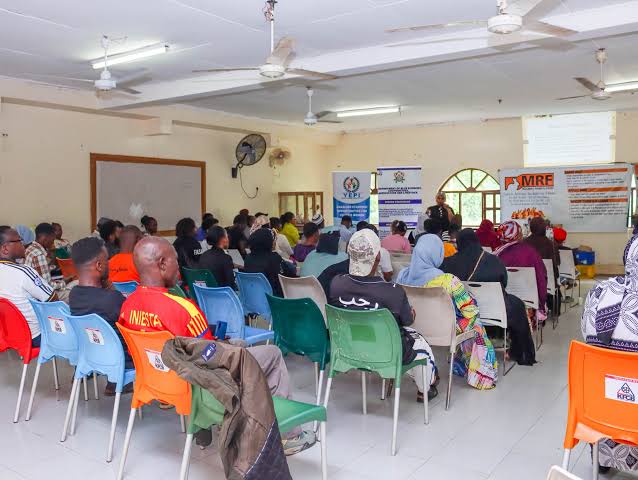
Behind every higher-yielding seed, every drought-tolerant crop and every smart irrigation system lies years of research, testing, and investment. Agricultural research is the engine that drives productivity, yet it is often underfunded compared with its impact. As climate change, rising input costs, and population growth put pressure on food systems, the way research is financed and the places where innovation happens have become critical questions for anyone in agribusiness.
Why agricultural research funding matters
Research funding pays for the discoveries that make farming more productive and resilient. This includes breeding improved crop varieties, developing animal vaccines, finding sustainable pest control methods, and designing tools that reduce post-harvest losses. Studies on agricultural investment have consistently shown strong returns, with each dollar spent on research generating many times its value in higher yields, lower costs, and improved incomes.
Despite this, many developing countries invest only a small share of their agricultural output in research, often below recommended levels. Where funding is limited, institutions struggle to retain skilled scientists, maintain laboratories, or run long-term field trials. The result is slower innovation and greater dependence on technologies developed elsewhere, which may not suit local soils, climates, and farming systems.
Main sources of agricultural research funding
Funding for agricultural research comes from several sources, and the most successful systems combine them. Governments remain the largest funder in most countries, supporting national research institutes, universities, and extension services. Public funding is especially important for work with broad social benefits, such as improving staple crops that smallholder farmers depend on.
International organizations and development partners also play a major role. Global research networks, development banks, and philanthropic foundations fund projects on climate adaptation, nutrition, and smallholder productivity. Private companies contribute through investment in seeds, crop protection, machinery, and digital tools, usually where there is a clear commercial return. Increasingly, venture capital and impact investors are backing agtech startups, filling a gap between early research and market-ready products.
Farmer levies and commodity boards are another valuable source. In some countries, producers of crops such as tea, coffee, or sugar contribute a small percentage of sales to fund research for their sector. This model keeps research focused on the practical problems farmers actually face.
What are agricultural innovation hubs?
Innovation hubs are physical or virtual spaces that bring together researchers, entrepreneurs, farmers, investors, and policymakers to develop and test new ideas. They may be based at universities, research centers, or technology parks, and they often offer shared laboratories, mentorship, training, and access to funding. Their purpose is to shorten the distance between a good idea and a product that farmers can actually use.
Examples include agtech incubators supporting young entrepreneurs, university-linked innovation centers that commercialize research, and regional hubs that connect startups with larger agribusinesses. Many also run demonstration farms where new technologies can be tested under real conditions, which builds trust among farmers who are understandably cautious about unproven methods.
How hubs and funding work together
Funding and hubs reinforce each other. Research money creates knowledge, while hubs turn that knowledge into businesses and practical solutions. A university may develop a low-cost soil testing method, for example, but without a pathway to market it may never leave the laboratory. An innovation hub can provide business training, prototype support, and introductions to investors, helping the idea become a real product.
Hubs also attract additional funding. A well-run hub that demonstrates results can draw interest from grants, corporate partners, and investors, creating a cycle of growth. They help retain talent as well, giving young scientists and entrepreneurs a reason to build careers locally rather than abroad.
Challenges facing the sector
Several obstacles limit progress. Public research budgets are often unpredictable and tied to short political cycles, while agricultural research typically needs long timelines. Many promising technologies fail to scale because of weak links between researchers, industry, and farmers. Intellectual property rules, limited testing facilities, and difficulty accessing early-stage finance also slow commercialization.
Another challenge is relevance. Research agendas sometimes reflect the interests of institutions more than the needs of farmers. Without farmer participation, even excellent technologies can be ignored or misused. Gender gaps are also visible, as women farmers and entrepreneurs often have less access to funding and hub resources.
Opportunities for agribusinesses and policymakers
Agribusinesses can benefit by partnering with research institutions and hubs, co-funding trials, sponsoring startups, and adopting proven technologies early. Policymakers can strengthen the system by committing stable, long-term research budgets, offering tax incentives for private research, and building supportive regulations for new products. Public-private partnerships, where risks and rewards are shared, are especially effective.
Agricultural research funding and innovation hubs are central to building a productive, resilient food system. Funding creates the knowledge, and hubs turn it into tools and businesses that farmers can use. By increasing investment, improving collaboration, and keeping farmers at the center of the process, governments, investors and agribusinesses can unlock innovation that raises incomes and strengthens food security for years to come.

Author: Moureen Koech
Moureen Koech is a passionate Digital Journalist, an adept Agribusiness Writer with a keen eye for news and an impactful story-teller,whose stories provide key value to Agripreneurs and stakeholders in the Agricultural sector