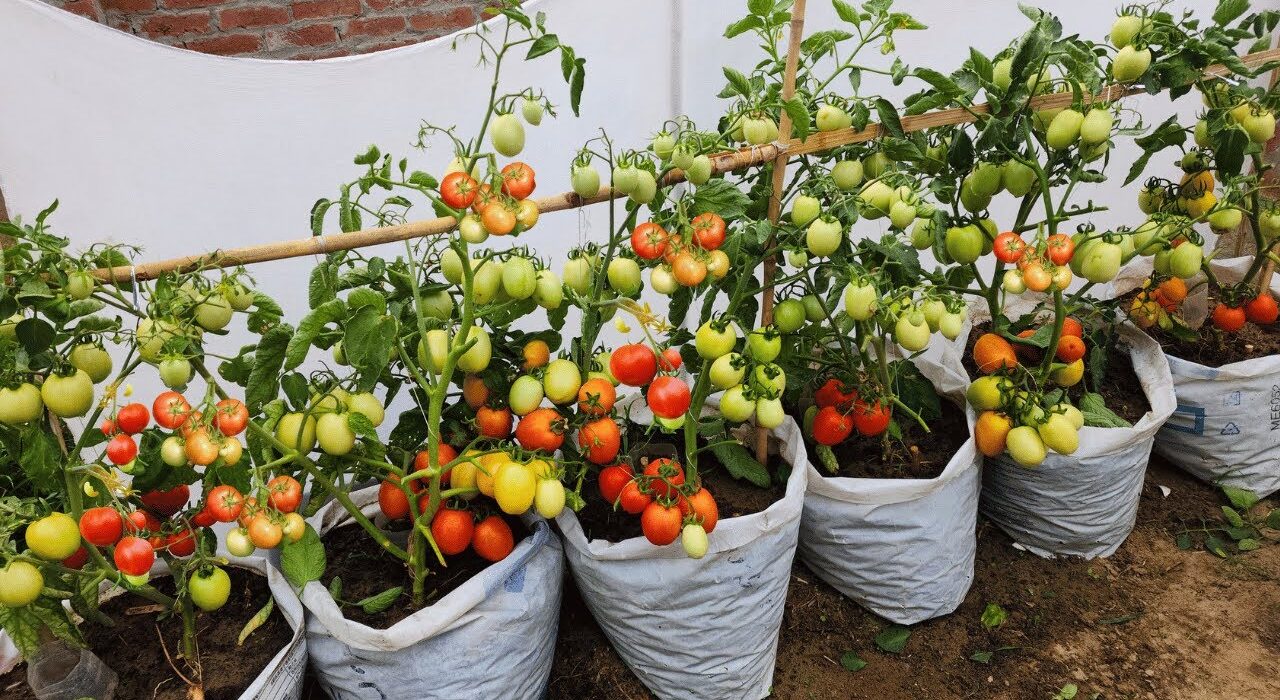
Urban farming is growing fast, yet the biggest obstacle remains the same: space. Many city dwellers have only a small compound, a balcony or a patch of concrete. Vertical sack gardening solves this problem. It lets you grow fresh vegetables in ordinary sacks, stacked and arranged to use height instead of land. For anyone wanting to cut food costs or start a small farming business, it is one of the simplest and cheapest options available.
What is vertical sack gardening?
Vertical sack gardening is a method of growing crops in filled sacks, usually with holes cut into the sides so plants grow out of the sides as well as the top. Instead of using one flat bed, a single sack can hold dozens of seedlings. The sacks can stand on the ground, lean against a wall or hang from a frame. Because the plants grow upward and outward, you get far more produce from the same footprint.
Why urban farmers are choosing sack gardens
The first advantage is low cost. A used grain or maize sack, some soil and a few seedlings are enough to start. You do not need to buy land, rent a plot or invest in expensive equipment. Second, sack gardens are portable. If you move house or the sun shifts across your compound, you simply carry the sacks to a better spot.
Third, they use water efficiently. Soil in a sack holds moisture well, and with a simple watering method you lose very little to runoff. Fourth, they reduce soil problems. If your ground is rocky, polluted or poor in nutrients, you can fill your sacks with clean, rich soil and avoid those issues entirely.
Best crops for vertical sack gardens
Leafy greens perform best. Sukuma wiki (kale), spinach, amaranth and lettuce grow well from the side holes and can be harvested repeatedly. Herbs such as coriander, mint and spring onions also thrive in this setup. Tomatoes, peppers and strawberries can be grown on the top of the sack, though they need a little more care and sunlight. Avoid deep-rooted or very large crops like maize and pumpkins, as sacks cannot support them well.
How to set up your sack garden step by step
Start by choosing a sturdy sack, ideally one that can hold about 50 kilograms. Prepare a mixture of topsoil, well-rotted compost or manure, and a little sand to keep drainage healthy. A ratio of roughly two parts soil to one part compost and one part sand works well.
Next, create a drainage and watering channel. Take a plastic pipe or a tube of stones, about 10 centimetres wide, and place it upright in the centre of the sack. Fill around it with your soil mixture. When you water, pour into the central tube so moisture spreads evenly from the middle to every plant, including those near the bottom.
Once the sack is filled, cut small slits or holes on the sides, spaced about 15 to 20 centimetres apart. Plant a seedling in each hole and add a few on top. Place the sack where it gets at least six hours of sunlight each day, and water lightly every day or every other day depending on the weather.
Caring for your plants
Regular feeding keeps the garden productive. Add compost tea, diluted manure or organic fertiliser every two to three weeks, since nutrients are used up faster in a small volume of soil. Check for pests such as aphids and caterpillars, and control them with soapy water, neem extract or by picking them off by hand. Harvest leafy crops by cutting the outer leaves first so the plant keeps producing for weeks.
Turning sack gardens into income
Sack gardening is more than a hobby. A small cluster of 20 to 30 sacks can supply a family with vegetables and leave a surplus to sell to neighbours, local restaurants or market vendors. Fresh, pesticide-free greens often fetch good prices in urban areas because buyers value quality and convenience. You can also sell ready-planted sacks or seedlings to people who want to start their own gardens, creating a second income stream.
Grouping with other farmers makes it even stronger. A neighbourhood cooperative can share seeds, compost and transport costs while supplying larger orders consistently.
Common mistakes to avoid
Many beginners overwater, which causes root rot, or place sacks in shaded areas where plants grow weak. Others forget the central watering tube, leaving the bottom of the sack dry. Using poor-quality soil is another frequent mistake. Remember that a sack garden is a small closed system, so everything you put in it matters.
Vertical sack gardening shows that you do not need acres of land to farm successfully. With a few sacks, good soil and consistent care, urban farmers can grow nutritious food, save money and even build a small business. It is simple, affordable and ideal for anyone ready to turn limited space into a productive green corner. Start with one sack, learn from it and expand as your confidence grows.

Author: Moureen Koech
Moureen Koech is a passionate Digital Journalist, an adept Agribusiness Writer with a keen eye for news and an impactful story-teller,whose stories provide key value to Agripreneurs and stakeholders in the Agricultural sector