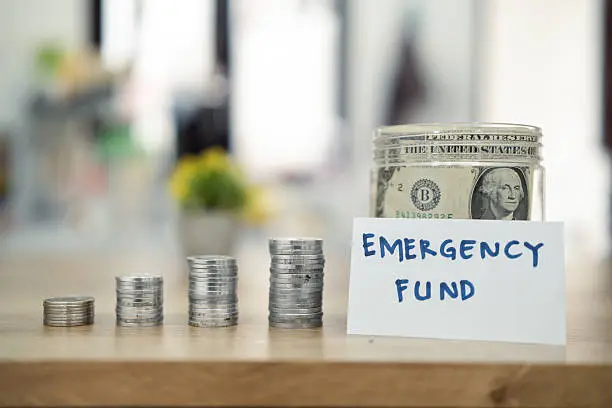
An unexpected medical bill, job loss, urgent home repair or sudden drop in business income can put your finances under pressure. Even when you save regularly through your Savings and Credit Cooperative Society (SACCO), you may discover that your accumulated funds cannot cover the full cost of an emergency.
The problem is not always a lack of discipline. Your savings may be tied to a long-term goal, your monthly contributions may be too small, or you may not have a separate fund reserved for unexpected expenses.
A financial cushion helps you manage these situations without immediately borrowing, selling essential assets or abandoning other financial goals. Building one requires a realistic savings target, a consistent contribution plan and a clear understanding of which SACCO funds you can access when you need them.
Calculate How Much You Need for an Emergency
The first step is to determine how much money your household needs to survive an unexpected financial setback.
Start by calculating your essential monthly expenses. These may include rent or mortgage payments, food, transport, utilities, medical costs, school fees and minimum loan repayments.
Separate essential expenses from discretionary spending, such as entertainment, non-essential shopping and some leisure activities. This will help you estimate the minimum amount required to keep your household running if your income suddenly falls.
A common starting point is to build an emergency fund that can cover three to six months of essential expenses. However, this is a target to work towards rather than a requirement that everyone must meet immediately.
For example, if your essential expenses total KSh 30,000 per month, three months of expenses would amount to KSh 90,000, while six months would amount to KSh 180,000.
If you are employed on a stable salary and have few dependants, you may begin with a smaller target. If you run a business, earn irregular income or support several family members, you may need a larger cushion.
The important thing is to establish a target based on your actual circumstances rather than choosing an amount you cannot realistically save.
Separate Emergency Savings From Your Regular SACCO Savings
One reason SACCO members struggle during emergencies is that they treat all their savings as though they serve the same purpose.
Your regular deposits may support future borrowing, long-term wealth creation or other financial goals. Some contributions may also be subject to withdrawal restrictions. Share capital, for example, generally has different rules from withdrawable deposits.
Emergency savings should have a different purpose. They should be reserved for unexpected expenses and kept in a form that allows you to access the money when necessary.
Ask your SACCO which products allow withdrawals, what conditions apply and how long it takes to receive your money. Do not assume that your entire SACCO balance is available immediately.
You may decide to maintain part of your emergency fund in an accessible SACCO savings account and keep another portion in a separate, suitable deposit account, depending on the available terms and your needs.
The goal is to avoid a situation where you have a substantial balance on paper but cannot access enough money to handle an urgent bill.
Start With a Small but Achievable Savings Target
You do not need to accumulate several months of expenses before your emergency fund becomes useful.
Start by setting a smaller target that you can achieve within a reasonable period. This could be KSh 5,000, KSh 10,000 or KSh 20,000, depending on your income and household expenses.
A small financial cushion can help you handle minor emergencies without disrupting your regular budget. Once you reach the first target, continue building the fund until it can cover a larger share of your essential expenses.
For example, saving KSh 2,000 per month would give you KSh 24,000 after one year, assuming no withdrawals, fees or investment returns. Saving KSh 5,000 per month would produce KSh 60,000 over the same period.
These amounts may not cover every emergency, but they can provide a starting point and reduce the amount you need to borrow when an unexpected expense occurs.
Choose a target that challenges you without making it impossible to pay your normal bills.

Make Emergency Contributions Part of Your Monthly Budget
A financial cushion grows when saving becomes a regular financial commitment rather than an activity you undertake only when you have spare money.
Review your monthly income and expenses to identify an amount you can consistently set aside. Treat the contribution as part of your budget, just like rent, transport or other essential payments.
If your income is paid monthly, consider transferring the money to your emergency fund immediately after receiving your salary. This reduces the temptation to spend it before saving.
If your SACCO supports standing orders or automatic transfers for the savings product you choose, these arrangements may help you maintain consistency.
For people with irregular income, a flexible contribution system may work better. You could set a minimum amount to save each month and contribute more when business income or other earnings are higher.
The objective is to build a habit that can continue even when your income fluctuates.
Reduce Spending Without Sacrificing Essential Needs
When your emergency savings are inadequate, reviewing your spending can help you identify money that could be redirected towards the fund.
Start by examining recurring expenses. Look for subscriptions you rarely use, unnecessary purchases, avoidable transaction costs and other spending that provides limited value.
You may also find opportunities to reduce food waste, plan transport more efficiently or compare prices before making regular purchases.
However, avoid cutting essential spending to a level that harms your household’s well-being. The aim is to free up money sustainably, not to create another financial problem.
Even a modest reduction in unnecessary spending can make a difference when maintained over several months.
For example, if you identify KSh 1,500 in monthly expenses that can be reduced, directing that amount to emergency savings would add KSh 18,000 over one year, assuming no withdrawals or returns.
Use Extra Income to Strengthen Your Financial Cushion
Salary increments, bonuses, business profits, commissions and occasional additional earnings can help you build an emergency fund faster.
Instead of allowing all extra income to disappear into everyday spending, decide in advance how much will go towards your financial cushion.
You could direct half of a bonus to emergency savings while using the remainder for other planned needs. The exact proportion should depend on your financial position and immediate obligations.
If you operate a business, separate business working capital from personal emergency savings. Using money needed to purchase stock, pay suppliers or meet other business obligations could create further difficulties.
You should also avoid treating money borrowed from your SACCO as extra income. A loan creates a repayment obligation and does not increase your net financial resources in the same way as genuine savings.
Extra income is most useful when it strengthens your financial position without leaving other important responsibilities unfunded.
Avoid Using Your Emergency Fund for Planned Expenses
An emergency fund loses its purpose when it is repeatedly used for expenses that could have been anticipated.
School fees, annual insurance premiums, holidays, planned home improvements and predictable vehicle servicing may require significant amounts of money, but they are generally not unexpected emergencies.
Create separate savings targets for these expenses where possible. You can use your SACCO to plan for school fees or other future costs while building a distinct emergency reserve.
This separation makes it easier to protect the money intended for unexpected events.
Before withdrawing from your emergency fund, ask yourself whether the expense is urgent, necessary and genuinely unexpected. If it is a planned expense, consider whether another part of your budget should cover it.
Of course, circumstances can overlap. An urgent medical bill may arise while you are also preparing for school fees. In such cases, prioritise the immediate need and rebuild your emergency fund afterwards.

Choose Savings That Balance Access and Safety
Emergency money should not be placed in a product that makes access difficult when a crisis occurs.
Before choosing where to keep the fund, consider withdrawal conditions, processing times, fees, security and any applicable returns. The money should be accessible enough to meet urgent needs without unnecessary delays.
A SACCO may offer a suitable savings product, but the terms differ between institutions. Ask whether withdrawals require notice, whether there are limits and whether any conditions affect access to your balance.
You may also consider a separate bank deposit account or another suitable, regulated savings option. The right choice depends on the product terms and your circumstances.
Avoid placing all your emergency money in volatile investments or assets that may need to be sold at a loss during a crisis. An emergency fund is primarily intended to provide financial stability, not maximise investment returns.
Do Not Rely Entirely on SACCO Loans During Emergencies
SACCO loans can be useful when members need financing, but borrowing should not be the only plan for dealing with unexpected expenses.
A loan may require guarantors, collateral, approval and time to process. Your eligibility may also depend on your deposits, repayment history, income and the SACCO’s lending policy.
Even if the loan is approved, repayments will reduce the income available for future expenses. This can become difficult if the emergency involves job loss, illness or reduced business earnings.
A financial cushion gives you money to use without automatically creating another debt obligation.
If the emergency is larger than your available savings, a loan may still be an option after assessing the costs and repayment terms. However, building a reserve reduces the likelihood that every unexpected expense will lead to borrowing.
Rebuild Your Savings After an Emergency
Using emergency savings is not a failure. The fund exists to help you manage unexpected costs.
The challenge is to restore it after the immediate problem has been resolved.
Once your finances stabilise, review how much you spent and how much remains. Set a new target and return to regular contributions.
If you had to use KSh 25,000 from a KSh 60,000 emergency fund, for example, your next goal could be to replace the amount withdrawn before increasing the fund further.
You may temporarily reduce contributions towards less urgent goals while rebuilding the reserve, provided you continue meeting essential obligations.
It is also useful to review the emergency itself. If it exposed a gap in your insurance, budgeting or financial planning, consider whether changes could reduce the impact of a similar event in future.
Review Your Emergency Fund as Your Responsibilities Change
Your financial cushion should reflect your current circumstances. The amount that was adequate when you lived alone may not be enough after having children, taking on a mortgage or becoming responsible for other family members.
Review your essential expenses whenever your income or responsibilities change significantly. If your monthly costs rise, your emergency savings target may also need to increase.
Check your SACCO statements and savings arrangements regularly to ensure you know your balance and understand the conditions governing access to the money.
As your fund grows, you can also review whether your savings are spread appropriately between accessible accounts and other financial goals. The priority is to maintain enough readily available money to handle emergencies without undermining your long-term plans.
Build Your Financial Cushion One Contribution at a Time
Your SACCO savings may be insufficient for an emergency today, but that does not mean you cannot improve your financial security.
Start by calculating your essential monthly expenses and setting an achievable initial target. Separate emergency money from long-term savings, contribute consistently and choose an account or product that allows access when needed.
Reduce avoidable spending, direct part of your extra income towards the fund and avoid relying entirely on loans when unexpected costs arise. After using the money, make a plan to rebuild it.
A financial cushion does not eliminate every risk. It gives you more options when life becomes unpredictable.

Author: Andrew Walyaula
Andrew Walyaula is a seasoned multimedia journalist. Email: [email protected]