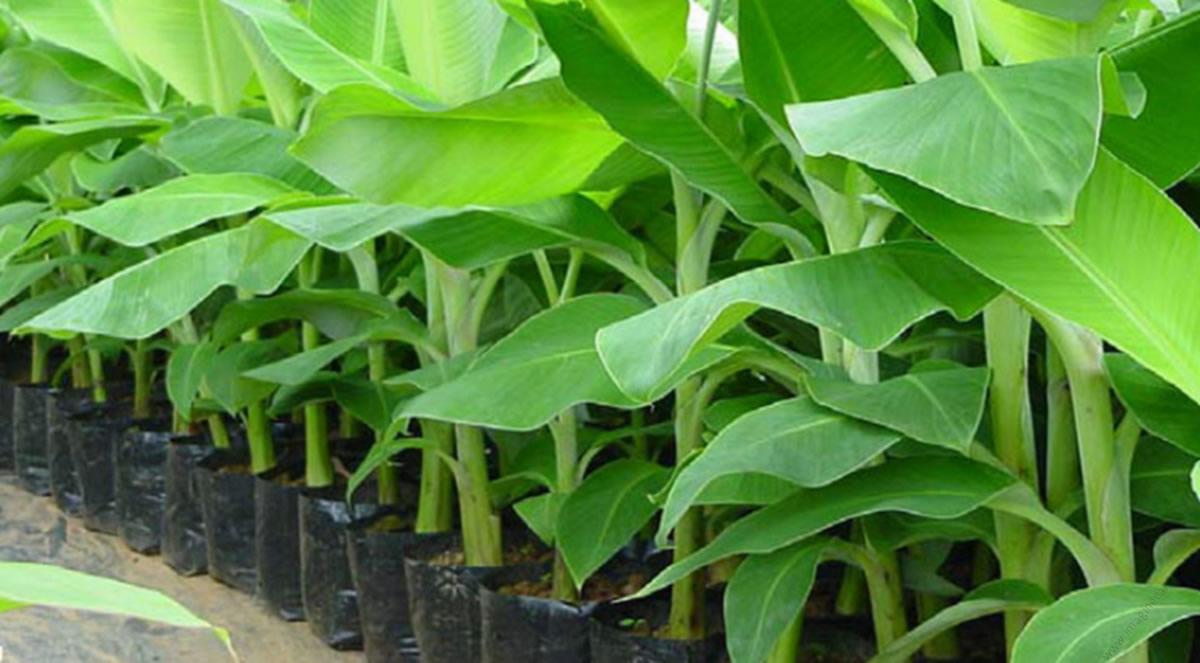
Bananas feed millions of households across Africa and Asia, yet many farmers still lose crops to disease and weak planting material. Tissue culture banana seedlings offer a solution. These clean, uniform plantlets grow faster, yield more and resist common diseases better than ordinary suckers. For entrepreneurs, supplying them is a rewarding agribusiness opportunity with steady demand and healthy profit margins.
What are tissue culture banana seedlings?
Tissue culture is a laboratory technique in which tiny pieces of a healthy banana plant, usually the shoot tip, are grown in a sterile nutrient medium. Under controlled conditions, one piece multiplies into many identical plantlets. These are then rooted, hardened in a nursery and sold to farmers.
Traditional banana suckers often carry pests and diseases such as nematodes, weevils, Panama disease and banana bunchy top virus. Tissue culture plantlets start clean, which gives farmers a healthier crop from day one. They also mature faster and produce bigger, more uniform bunches.
Why the business is profitable
Demand for clean planting material keeps growing. Farmers who once relied on suckers now understand the yield benefits of tissue culture, and many governments and development organizations encourage their use. Popular varieties such as Grand Nain, Williams, FHIA 17 and Cavendish sell well because of their high yields and market appeal.
A single mother plant can produce hundreds of seedlings over time. This means even a modest operation can generate thousands of plantlets per season. Seedlings sell at a price well above the cost of production, especially when sold in bulk to farmer groups, cooperatives, schools, NGOs and county programs.
Two ways to enter the business
Option 1: Full tissue culture laboratory. This means producing plantlets from scratch. It requires a sterile laboratory, trained technicians, growth chambers and a reliable power supply. The investment is high and the technical demands are significant, so it suits well-funded entrepreneurs or institutions.
Option 2: Hardening nursery. This is the easier entry point for most small businesses. You buy young plantlets from a licensed tissue culture laboratory, then harden them in a nursery for six to ten weeks before selling to farmers. The capital needed is much lower, and you still earn a good margin. Many successful agripreneurs start here and expand later.
Steps to start a banana seedling nursery
1. Research your market. Find out which banana varieties farmers in your area prefer. Talk to farmer groups, agro-dealers and extension officers to understand demand and pricing.
2. Secure a reliable supplier. Buy only from certified laboratories with a good reputation. Quality starting material determines the success of your business. Ask for proof of disease-free status and variety authenticity.
3. Set up the nursery site. Choose a location with good access to water, easy transport and protection from strong winds. A simple greenhouse or shade net structure helps maintain humidity and temperature.
4. Prepare the growing medium. Hardening requires a clean mix of soil, sand and well-decomposed manure or compost. Fill polythene bags or nursery trays and arrange them neatly.
5. Harden the plantlets.Carefully transfer plantlets from their containers, wash off the agar and plant them into the prepared medium. Keep them under shade, water them regularly and gradually expose them to more light. Healthy seedlings are ready for sale once they have strong roots and several leaves.
6. Market and sell.Use social media, farmer WhatsApp groups, local radio, agricultural shows and partnerships with cooperatives. Offering planting advice and after-sale support builds trust and repeat business.
Costs and returns
Start-up costs for a hardening nursery include the structure, shade net, water system, polythene bags, growing medium, labor and the plantlets themselves. Costs vary by scale and location, so prepare a detailed budget before you begin. With good survival rates and steady buyers, returns can be strong within a few months, since the production cycle is short.
Challenges to plan for
Plantlet losses can occur if watering, shading or hygiene is poorly managed. Disease spread inside the nursery is another risk, so keep tools and surfaces clean. Price competition and unreliable suppliers can also affect profit. Registering with the relevant plant health authority and following nursery regulations protects your business and your customers.
Tissue culture banana seedlings combine science with practical farming, offering a business that benefits both the entrepreneur and the farmer. Start with a hardening nursery, focus on quality, build trust with growers and expand as demand grows. In a sector where healthy planting material is everything, a reliable seedling supplier will always find customers.

Author: Moureen Koech
Moureen Koech is a passionate Digital Journalist, an adept Agribusiness Writer with a keen eye for news and an impactful story-teller,whose stories provide key value to Agripreneurs and stakeholders in the Agricultural sector