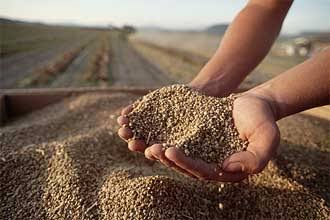
Every harvest begins with a seed, yet many farmers struggle to find good-quality seed when they need it. Fake, low-germination and unsuitable varieties cost farmers millions every season. This gap is exactly where seed multiplication as a business creates opportunity. If you want a farming venture with steady demand and strong margins, seed production deserves serious attention.
What is seed multiplication?
Seed multiplication is the process of increasing a small quantity of improved, high-quality seed from breeders or research institutions into larger volumes for commercial sale. Breeders develop new varieties, and seed multipliers grow them under strict conditions so that farmers can buy certified seed in bulk. Common crops include maize, beans, sorghum, potatoes, sunflower, vegetables and pasture grasses.
Unlike ordinary crop farming, seed production follows controlled standards. The goal is not just yield but genetic purity, germination strength and freedom from disease.a
Why seed multiplication is a profitable Agribusiness
Demand for certified seed grows every year. Climate change is pushing farmers toward drought-tolerant, early-maturing and pest-resistant varieties, and these improved seeds must come from somewhere. Governments, NGOs and agro-dealers also buy seed in large quantities for distribution programs.
Seed also sells at a premium. A kilogram of certified seed typically fetches far more than the same crop sold as grain. With good management, a seed multiplier can earn significantly higher returns per acre than a farmer selling to the commodity market. Because quality matters more than volume, even small-scale farmers with a few acres can participate.
Steps to Start a Seed Multiplication Business
1. Choose the right crop and variety. Begin with crops that are in constant demand in your region. Check with local agro-dealers, research institutes and farmers to see which varieties are selling fastest. Self-pollinated crops such as beans, wheat and sorghum are easier for beginners than hybrids, which require complex parent-line management.
2. Get licensed and registered. Seed is a regulated sector. In Kenya, for example, seed producers work under the Kenya Plant Health Inspectorate Service (KEPHIS), which inspects fields and certifies seed. Registration with the relevant authority is essential before you can sell seed legally. Rules differ by country, so confirm the requirements where you operate.
3. Source foundation seed.You cannot multiply seed from grain bought at a market. You must start with certified foundation or basic seed from a recognized breeder, research institution or licensed seed company. Many companies offer multiplication contracts, supplying the starter seed and agreeing to buy back the harvest.
4. Select and prepare your land. Choose fertile, well-drained land with no recent history of the same crop, which helps prevent volunteer plants from contaminating your seed. Adequate isolation distance from other fields of the same crop is critical, so that cross-pollination does not ruin genetic purity.
5. Follow strict field management. Seed fields need careful spacing, weeding and pest control. Rogueing, which means removing off-type or diseased plants, is a key practice. Inspectors will visit during the growing season, so keep records of planting dates, inputs and field activities.
6. Harvest, dry, process and store properly.Seed must be harvested at the correct maturity, dried to safe moisture levels, cleaned, graded and treated where necessary. Poor drying or storage can destroy germination rates and reduce the value of the entire crop. Invest in clean, dry storage and proper packaging.
7. Test and certify.Before sale, samples go for laboratory testing of germination, purity and moisture content. Only seed that meets the standard receives certification labels, which give farmers confidence in your product.
Start-Up costs and funding
Costs depend on the crop and scale, but the main expenses include foundation seed, land preparation, labor, fertilizer, crop protection, drying and storage facilities, and packaging. Irrigation is a major advantage because it allows production in off-seasons, when seed prices are often higher.
Small producers can reduce risk by starting with two to five acres, using contract farming arrangements and joining a seed growers’ group or cooperative. Group membership helps with shared equipment, training and better bargaining power with seed companies.
Challenges to prepare for
Seed multiplication is rewarding, but it is not careless farming. Contamination, poor isolation, weather damage and failed germination tests can lead to rejected batches. Delays in certification may also affect sales timing. Market access can be difficult for new producers without contracts, so building relationships with seed companies, agro-dealers and institutions early is wise.
Seed multiplication turns careful farming into a quality-driven, high-margin business. It rewards discipline, record keeping and attention to detail. With rising demand for improved varieties, the sector offers a strong pathway for farmers, young agripreneurs and investors who want to build a lasting agribusiness. Start small, learn the standards, partner with trusted seed companies, and grow your business one certified batch at a time.

Author: Moureen Koech
Moureen Koech is a passionate Digital Journalist, an adept Agribusiness Writer with a keen eye for news and an impactful story-teller,whose stories provide key value to Agripreneurs and stakeholders in the Agricultural sector