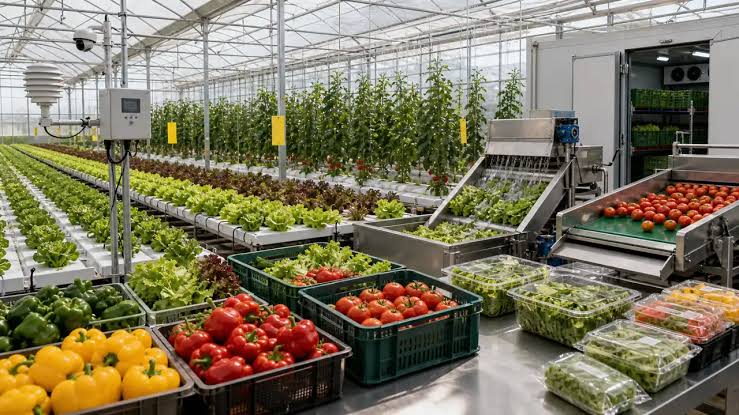
Agricultural supply chains play a critical role in moving farm produce from producers to consumers. They involve several activities, including the supply of farm inputs, production, harvesting, storage, transportation, processing and distribution. When any stage experiences a disruption, farmers, agribusinesses, retailers and consumers can face significant challenges.
Agricultural supply chain disruptions occur when unexpected events interfere with the production or movement of agricultural goods. These disruptions can cause food shortages, increased operating costs, post-harvest losses and unstable market prices. Understanding their causes and adopting effective management strategies can help farmers and agribusiness owners protect their operations and maintain reliable food supplies.
Common causes of agricultural supply chain disruptions
One major cause of agricultural supply chain disruptions is extreme weather. Droughts, floods, prolonged rainfall and unpredictable temperatures can reduce crop yields, damage infrastructure and delay harvesting. For example, heavy rainfall may make rural roads impassable, preventing farmers from delivering fresh produce to markets on time.
Transportation challenges also affect agricultural supply chains. Poor road networks, high fuel prices, vehicle breakdowns and delays at distribution centres can increase the cost of moving produce. Perishable commodities such as vegetables, fruits, milk and fish are particularly vulnerable because delays can lead to spoilage and financial losses.
Another challenge is the unreliable supply of agricultural inputs. Shortages or price increases involving seeds, fertilisers, animal feeds, pesticides and fuel can affect farm production. Farmers who cannot access essential inputs at the right time may experience lower yields or miss important planting seasons.
Market fluctuations, political instability, trade restrictions and global economic changes can also disrupt the availability and affordability of agricultural products. In addition, inadequate storage facilities and limited access to reliable market information can make it difficult for farmers to respond effectively to changing conditions.
Diversify suppliers and markets
One effective way to manage agricultural supply chain disruptions is to avoid relying on a single supplier or buyer. Farmers and agribusinesses should identify alternative sources of seeds, fertilisers, packaging materials and other essential inputs.
Working with multiple suppliers reduces the risk of production delays when one supplier experiences shortages or delivery problems. However, businesses should assess the quality, reliability and cost of alternative suppliers before entering into agreements.
Farmers should also consider selling produce through different channels, including cooperatives, wholesalers, retailers, processors and direct-to-consumer platforms. Diversifying markets reduces dependence on one buyer and provides alternatives when demand changes or a particular market becomes inaccessible.
Improve storage and post-harvest management
Poor storage facilities contribute significantly to agricultural losses, especially for perishable commodities. Investing in appropriate storage can help farmers preserve produce, maintain quality and reduce pressure to sell immediately after harvesting.
Depending on the commodity, useful solutions include cold rooms, refrigerated transport, ventilated stores, moisture-controlled grain storage and hermetic bags. These technologies can extend storage life when properly selected and managed.
Farmers can also reduce losses through careful harvesting, sorting, grading, packaging and handling. For small-scale producers, shared storage facilities operated by cooperatives or agribusiness groups can make storage technologies more affordable.
Strengthen transportation and logistics
Reliable transportation is essential for moving agricultural products from farms to markets. Agribusinesses should plan delivery schedules, maintain vehicles properly and identify alternative routes where possible.
Farmers can improve efficiency by coordinating deliveries with neighbouring producers, cooperatives and transport service providers. Consolidating produce into larger loads can reduce transportation costs, particularly for small-scale farmers.
Businesses handling perishable goods should prioritise suitable packaging, temperature management and timely delivery. Where road access is unreliable, identifying nearby collection centres or aggregation points can help maintain the flow of produce.
Use technology and market information
Digital technology can help farmers and agribusinesses identify potential disruptions earlier and respond more quickly. Mobile applications, digital marketplaces, weather information services and inventory management systems can improve visibility across the supply chain.
For example, farmers can use weather forecasts to plan harvesting and transportation around expected rainfall. Digital market platforms can help producers compare prices and identify alternative buyers before transporting their produce.
Agribusinesses can also use simple digital records to monitor stock levels, supplier performance, delivery schedules and customer orders. These records help businesses identify recurring problems and make informed decisions about purchasing, storage and distribution.
Build financial resilience
Unexpected disruptions often increase operating costs or delay payments. Farmers and agribusiness owners should maintain accurate financial records, prepare realistic budgets and establish emergency reserves where possible.
Businesses can also negotiate payment terms with suppliers and buyers to improve cash flow. Appropriate insurance may help manage certain risks, including specified crop losses, livestock losses or damage to insured assets, subject to policy conditions.
Access to suitable credit can provide working capital during difficult periods, but borrowing should be based on repayment capacity and realistic cash-flow projections. Farmers should avoid taking on excessive debt to respond to temporary disruptions.
Strengthen partnerships and contingency planning
Collaboration among farmers, cooperatives, transporters, processors, suppliers and retailers can make agricultural supply chains more resilient. Strong relationships improve communication and make it easier to coordinate deliveries, share storage facilities and identify alternative markets.
Agribusinesses should also develop contingency plans outlining what they will do if a major supplier fails, transport routes become inaccessible or demand suddenly declines. Such plans should identify alternative suppliers, emergency contacts, backup transport arrangements and procedures for handling perishable products.
Regularly reviewing these plans helps businesses identify weaknesses before a crisis occurs.
Agricultural supply chain disruptions can affect food availability, production costs, farmer incomes and agribusiness profitability. Although some challenges, such as extreme weather and global market changes, are beyond individual farmers’ control, their effects can be reduced through careful planning.
Diversifying suppliers and markets, improving storage, strengthening logistics, adopting digital tools, maintaining financial reserves and building reliable partnerships are important strategies for managing supply chain risks.
For farmers and agribusinesses in Kenya and across Africa, investing in resilient supply chains can reduce losses, improve market access and support more reliable food distribution. Businesses that prepare for disruptions are better positioned to protect their operations and respond to changing agricultural conditions.

Author: Moureen Koech
Moureen Koech is a passionate Digital Journalist, an adept Agribusiness Writer with a keen eye for news and an impactful story-teller,whose stories provide key value to Agripreneurs and stakeholders in the Agricultural sector