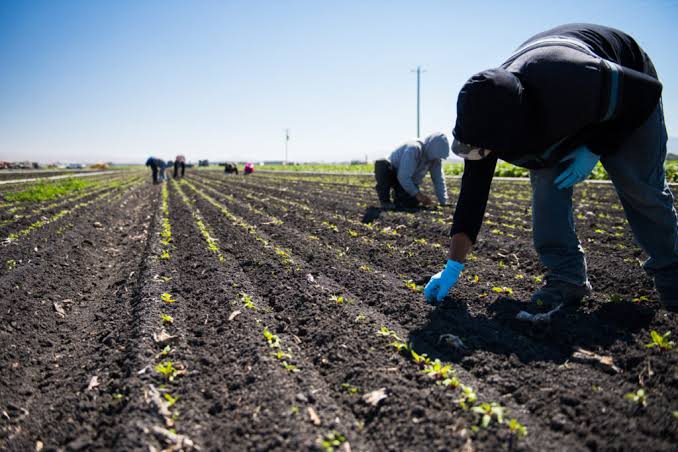
Agriculture depends on workers to perform essential activities such as land preparation, planting, weeding, irrigation, harvesting and post-harvest handling. However, many farmers face difficulties finding enough workers, particularly during peak planting and harvesting seasons. Rising labour costs, rural-to-urban migration and the physically demanding nature of farm work can make agricultural production more expensive and less efficient.
Agricultural automation is emerging as a practical solution to some of these challenges. By using machinery, sensors, robotics and digital technologies, farmers can complete selected tasks faster, improve productivity and reduce dependence on manual labour. Although automation cannot replace every agricultural worker, it can help farms manage labour shortages and remain competitive in changing markets.
Causes of farm labour shortages
One major cause of farm labour shortages is rural-to-urban migration. As people move to towns and cities in search of employment opportunities, some farming communities experience a reduction in the available workforce. Younger people may also seek careers outside agriculture because of concerns about income stability, working conditions and career development.
Seasonal demand creates another challenge. Activities such as harvesting tea, coffee, vegetables and fruits often require additional workers within a limited period. When several farms need labour simultaneously, competition for workers can increase wages and delay farm operations.
The physical demands of agricultural work can also discourage potential workers. Manual weeding, carrying heavy loads and harvesting in difficult weather conditions can be tiring. For commercial farms, a shortage of workers may result in delayed harvesting, crop losses, higher operating costs and reduced profitability.
How agricultural automation addresses labour shortages
Agricultural automation involves using machinery and technology to perform farming tasks with less manual intervention. It ranges from simple equipment, such as mechanical planters, to advanced systems that use artificial intelligence and robotics.
Mechanised planting equipment enables farmers to establish crops more quickly and consistently across suitable fields. Mechanical weeders can reduce the time required to control weeds, while harvesting machinery can speed up operations for crops that are suitable for mechanised harvesting.
Automated irrigation systems can also reduce routine labour requirements. Soil moisture sensors and irrigation controllers help farmers determine when crops need water, reducing the need for workers to monitor irrigation manually throughout the day.
In livestock farming, automated feeding systems, water dispensers and milking equipment can simplify daily routines. Workers can then devote more time to animal health, hygiene, production monitoring and other activities requiring human judgement.
Benefits of agricultural automation
One of the main benefits of automation is improved labour efficiency. Machinery can perform certain repetitive activities faster than manual methods, allowing farmers to complete time-sensitive operations within suitable planting and harvesting windows.
Automation may also reduce labour costs over time. Although purchasing equipment requires an initial investment, the savings can be worthwhile for farms that use machinery frequently and efficiently. Farmers should compare the total cost of ownership, including maintenance, fuel, repairs and training, with the cost of hiring labour or outsourcing services.
Another advantage is greater consistency. Properly calibrated planting equipment, precision sprayers and automated irrigation systems can help farmers apply inputs more uniformly. This can improve operational efficiency and reduce unnecessary waste.
Automation can also improve worker safety by reducing exposure to heavy manual tasks and certain hazardous working conditions. However, machinery introduces its own safety risks, making proper training and equipment maintenance essential.
Technologies transforming agricultural work
Several technologies are helping farmers respond to labour constraints. Tractors, planters, harvesters and mechanical weeders remain important tools for farms growing crops suitable for mechanisation.
Agricultural robotics is expanding these possibilities. Robots can be designed to identify weeds, monitor crop health, harvest selected produce and transport materials around farms. Artificial intelligence and computer vision enable some systems to recognise plants, detect problems and navigate agricultural environments.
Drones can help farmers monitor crop conditions and identify areas that require attention. Where regulations and equipment permit, they may also support certain spraying activities. These tools can help farmers allocate workers and inputs more efficiently.
Digital farm-management platforms provide another solution. Farmers can use software to schedule tasks, track labour requirements, monitor equipment and organise farm activities. Although these platforms do not eliminate the need for workers, they can improve coordination and reduce wasted time.
Challenges of adopting agricultural automation
Despite its potential, agricultural automation presents several challenges. The initial cost of purchasing machinery, installing automated systems and training workers can be prohibitive, particularly for small-scale farmers with limited capital.
Maintenance is another concern. Some technologies require reliable electricity, spare parts, connectivity and skilled technicians. Equipment breakdowns during critical farming periods can cause costly delays if repair services are unavailable.
The suitability of technology also depends on farm conditions. Small plots, steep terrain, irregular field layouts and delicate crops may limit the usefulness of certain machines. Farmers should therefore assess their production systems before investing.
Automation can also change the skills required in agriculture. Workers may need training in equipment operation, maintenance, digital record keeping and machinery safety. Rather than eliminating the need for people, effective automation often combines human expertise with technology.
Affordable automation options for small-scale farmers
Small-scale farmers do not need to begin with expensive robots. They can start by identifying the activities that consume the most labour and selecting affordable technologies to address those challenges.
Examples include motorised sprayers, small planters, water pumps, drip irrigation systems and basic farm-management applications. Farmers should compare purchasing equipment with hiring machinery or paying for specialised services.
Cooperatives and farmer groups can make technology more accessible through shared ownership. Members can contribute towards purchasing equipment and organise schedules that allow several farms to benefit from the same machine.
Machinery-as-a-service is another practical option. Under this model, entrepreneurs own agricultural equipment and charge farmers for services such as land preparation, planting, spraying or harvesting. This allows farmers to benefit from mechanisation without carrying the full cost of purchasing and maintaining machinery.
The future of farm labour and automation
Farm labour shortages are likely to encourage continued interest in mechanisation, robotics and digital agriculture. However, the most effective solutions will depend on crop type, farm size, available capital and local conditions.
Governments, agricultural training institutions, cooperatives and private companies can support adoption by improving access to affordable equipment, financing, technical training and repair services. Developing local agricultural machinery businesses may also create employment opportunities in equipment sales, maintenance and technology support.
Farm labour shortages can increase production costs, delay agricultural operations and contribute to crop losses. Agricultural automation offers practical ways to address some of these challenges through machinery, robotics, smart irrigation and digital farm-management tools.
For farmers in Kenya and across Africa, the key is to adopt technologies that solve specific labour problems and provide measurable benefits. Affordable equipment, shared machinery and service-based business models can make automation more accessible to small-scale producers.
By combining human expertise with appropriate technology, farmers can improve efficiency, manage labour more effectively and build more productive and resilient agricultural businesses.

Author: Moureen Koech
Moureen Koech is a passionate Digital Journalist, an adept Agribusiness Writer with a keen eye for news and an impactful story-teller,whose stories provide key value to Agripreneurs and stakeholders in the Agricultural sector