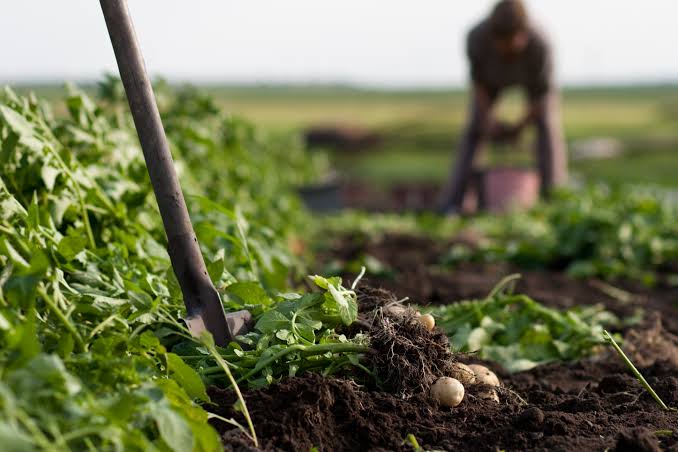
Agroecology is a sustainable farming approach that combines agriculture with ecological principles to create healthy farming systems that protect the environment while improving food production. It focuses on working with nature instead of depending heavily on chemicals, monocropping and environmentally harmful farming practices.
As climate change, soil degradation, water shortages and rising farming costs continue to affect agriculture, agroecology is becoming increasingly important across Africa and the world. Farmers, researchers and governments are now promoting agroecology as a solution for sustainable food production, environmental conservation, and improved livelihoods.
Agroecology not only focuses on producing food but also aims to protect biodiversity, improve soil health, strengthen local communities, and promote long-term agricultural sustainability. Understanding agroecology helps farmers adopt farming systems that are both productive and environmentally friendly.
What is Agroecology?
Agroecology is the application of ecological concepts and principles in farming systems. It views farms as ecosystems where crops, livestock, soil, water, insects, trees, and humans interact naturally.
Unlike conventional agriculture, which often relies heavily on synthetic fertilizers, pesticides, and monoculture farming, agroecology encourages natural processes that improve productivity while protecting natural resources.
Agroecology promotes practices such as crop rotation, composting, agroforestry, biological pest control, mixed farming, water conservation, and the use of organic inputs.
The goal is to create farming systems that are resilient, productive, sustainable, and less dependent on expensive external inputs.
Importance of Agroecology
Agroecology plays an important role in addressing many agricultural and environmental challenges facing modern farming. Conventional farming practices have contributed to soil erosion, water pollution, biodiversity loss, and increased greenhouse gas emissions.
Agroecology helps restore degraded soils, conserve water, reduce pollution, and improve ecosystem balance. Farmers who adopt agroecological practices often reduce production costs because they rely less on expensive chemical inputs.
Agroecology also improves food security by promoting diverse farming systems that can withstand climate change and extreme weather conditions.
By encouraging local knowledge and community participation, agroecology strengthens rural livelihoods and supports sustainable agricultural development.
Principles of Agroecology
Agroecology is guided by several key principles that help create healthy and sustainable farming systems. One important principle is biodiversity. Diverse farming systems are more resilient to pests, diseases, and climate shocks compared to monoculture farming.
Another principle is soil health improvement. Healthy soils support strong plant growth, improve water retention and increase nutrient availability. Agroecology promotes composting, mulching, cover cropping, and reduced tillage to maintain soil fertility naturally.
Resource recycling is also important. Crop residues, animal manure, and organic waste are reused to improve soil fertility and reduce waste.
Agroecology further emphasizes natural pest control by encouraging beneficial insects, crop diversity, and biological control methods instead of excessive pesticide use.
Crop diversification in agroecology
Crop diversification is one of the most important agroecological practices. Instead of growing a single crop repeatedly, farmers grow different crops together or rotate them over time.
Mixed cropping and crop rotation improve soil fertility, reduce pest buildup, and increase farm resilience. Legumes such as beans and peas help fix nitrogen in the soil, reducing the need for synthetic fertilizers.
Diverse farms also provide multiple sources of food and income, reducing risks associated with crop failure or market price fluctuations.
Farmers practicing diversification often experience better environmental sustainability and improved food security.
Agroforestry and tree integration
Agroforestry involves integrating trees with crops and livestock within the same farming system. Trees provide many benefits in agroecology, including soil conservation, shade, fodder, firewood and improved biodiversity.
Trees help reduce soil erosion by holding soil together with their roots. They also improve water infiltration and reduce evaporation during dry seasons.
Nitrogen-fixing trees improve soil fertility naturally, while fruit trees provide additional income and nutrition for households.
Agroforestry systems support climate change adaptation by improving farm resilience and increasing carbon storage.
Organic soil fertility management
Healthy soil is the foundation of agroecology. Agroecological farming focuses on improving soil fertility using natural methods rather than relying heavily on synthetic fertilizers.
Farmers use compost, farmyard manure, green manure, crop residues, and biofertilizers to improve soil structure and nutrient content.
Mulching helps conserve soil moisture, suppress weeds, and protect the soil from erosion. Reduced tillage also helps preserve soil microorganisms and improve soil health over time.
Healthy soils produce stronger crops that are more resistant to pests, diseases, and drought conditions.
Biological pest and disease control
Agroecology encourages natural pest management methods that reduce dependence on chemical pesticides. Excessive pesticide use can harm beneficial insects, pollute water and damage ecosystems.
Farmers practicing agroecology use biological pest control methods such as introducing beneficial insects, planting pest-repelling crops and maintaining biodiversity.
Crop rotation and mixed cropping also disrupt pest life cycles and reduce disease buildup in farms.
Natural pesticides made from plants such as neem, garlic, and chili can help control pests safely and sustainably.
Water conservation in agroecology
Water conservation is a major component of agroecology, especially in areas affected by drought and climate change. Agroecological practices help improve water efficiency and reduce water wastage.
Mulching, terracing, cover cropping, rainwater harvesting, and agroforestry help conserve soil moisture and improve water retention.
Healthy soils rich in organic matter absorb and store water more effectively, helping crops survive dry conditions.
Efficient water management improves productivity while protecting water resources for future generations.
Benefits of agroecology
Agroecology provides numerous benefits for farmers, communities, and the environment. It improves soil fertility, reduces farming costs, conserves biodiversity and enhances climate resilience.
Farmers practicing agroecology often experience reduced dependence on expensive chemical inputs, leading to better profitability over time.
Agroecology also improves food quality because crops are produced using fewer harmful chemicals. Consumers increasingly prefer sustainably produced foods due to health and environmental concerns.
The approach further supports rural development by promoting local knowledge, farmer participation, and community cooperation.
Challenges facing agroecology
Despite its benefits, agroecology also faces several challenges. Some farmers lack knowledge and training on agroecological practices. Transitioning from conventional farming to agroecology may also take time before full benefits are realized.
Limited access to organic inputs, markets and technical support can slow adoption. Some governments and institutions still prioritize conventional agriculture that depends heavily on chemical inputs.
However, growing awareness about climate change, soil degradation, and sustainable agriculture is increasing interest in agroecology worldwide.
Training, research, policy support, and farmer education are important for expanding agroecological farming systems.
Agroecology is a sustainable farming approach that combines ecological principles with agriculture to create productive and environmentally friendly farming systems. It promotes biodiversity, healthy soils, water conservation, natural pest control and reduced dependence on synthetic chemicals.
As farmers face increasing challenges from climate change, rising production costs, and environmental degradation, agroecology offers practical solutions for long-term agricultural sustainability.
By adopting agroecological practices such as crop diversification, agroforestry, composting and biological pest management, farmers can improve productivity, protect natural resources, and build resilient farming systems for future generations.

Author: Moureen Koech
Moureen Koech is a passionate Digital Journalist, an adept Agribusiness Writer with a keen eye for news and an impactful story-teller,whose stories provide key value to Agripreneurs and stakeholders in the Agricultural sector