Cassava flour processing is becoming one of the most profitable agribusiness opportunities in Africa. Cassava is a drought-tolerant crop that grows well in many regions and has high demand in both local and international markets. As more consumers look for affordable and gluten-free food products, cassava flour is gaining popularity among households, bakeries, food processors and health-conscious consumers.
Cassava flour business offers opportunities for farmers, processors, wholesalers, and retailers. With proper processing, packaging and marketing, cassava flour can generate steady income and create employment opportunities. The business is especially attractive because cassava is relatively easy to grow, has multiple uses, and can be processed into value-added products with good market demand.
What is cassava flour?
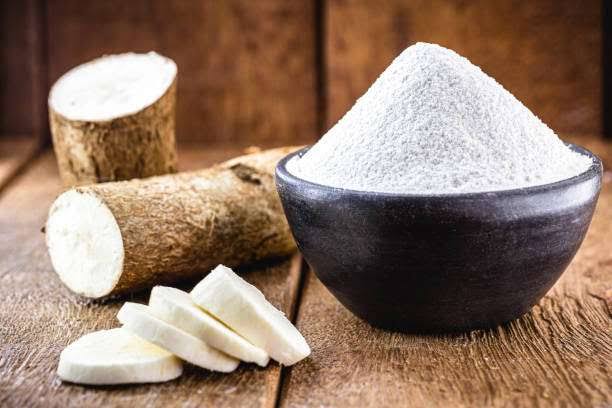
Cassava flour is a fine powder made from dried cassava roots. Cassava is a starchy root crop widely grown in tropical regions due to its ability to survive under dry conditions and poor soils.
Cassava flour is commonly used in making bread, cakes, chapati, porridge, snacks, and thickening soups. It is also popular among people looking for gluten-free alternatives to wheat flour.
Unlike cassava starch, whole cassava flour is made from the entire peeled root, preserving more fiber and nutrients. Its versatility and affordability make it highly attractive in food processing industries and household consumption.
Why cassava flour business is profitable?
The demand for cassava flour continues to increase due to population growth, rising food prices, and changing consumer preferences. Many bakeries and food manufacturers now mix cassava flour with wheat flour to reduce production costs.
Cassava flour is also gaining popularity among people with gluten intolerance because it is naturally gluten-free. This has created opportunities in health food markets.
Another advantage is that cassava grows well in dry regions where other crops struggle. Farmers can produce cassava with relatively low input costs, making raw materials more accessible and affordable.
Value addition through processing increases profits significantly compared to selling fresh cassava roots. Proper packaging and branding also help farmers and entrepreneurs earn better returns.
Choosing the right cassava variety
Selecting suitable cassava varieties is important for flour production. Farmers should choose high-yielding varieties with good starch content and disease resistance.
Some cassava varieties produce higher flour yields and better-quality products than others. Bitter cassava varieties contain higher cyanide levels and require proper processing before consumption.
Farmers should obtain certified planting materials from reliable agricultural institutions or seed suppliers. Healthy planting materials improve yields and reduce disease problems.
Proper farm management practices such as weeding, pest control and timely harvesting also improve cassava quality and flour production.
Cassava flour processing steps
The cassava flour production process involves several important stages to ensure quality and safety. Fresh cassava roots should be processed quickly after harvesting because they spoil easily.
The first step is peeling the cassava roots to remove the outer skin. Peeling helps reduce dirt, toxins and fiber that may affect flour quality.
After peeling, the cassava is washed thoroughly using clean water to remove soil and impurities. Clean processing improves hygiene and final product quality.
The roots are then chopped into smaller pieces or grated to speed up drying. Drying is one of the most important steps because moisture encourages spoilage and mold growth.
Cassava can be dried using solar drying, mechanical dryers or raised drying racks. Proper drying reduces moisture content and improves shelf life.
Once dry, the cassava chips are milled into fine flour using grinding machines. The flour is then sieved to achieve uniform texture before packaging.
Importance of proper drying
Drying greatly affects the quality of cassava flour. Poor drying can lead to mold contamination, bad odor and reduced shelf life.
Solar drying is commonly used by small-scale processors because it is affordable. However, the cassava should be protected from rain, dust and animals during drying.
Mechanical dryers provide faster and more consistent drying but require higher investment costs. Properly dried cassava should have low moisture content to prevent spoilage during storage.
Clean drying surfaces and hygienic handling are important for producing safe and high-quality flour.
Equipment needed for cassava flour processing
Cassava flour processing requires several basic machines and tools depending on the scale of production. Small-scale processors may start with simple manual equipment before upgrading to mechanized systems.
Common equipment includes peeling knives, washing tanks, graters, chippers, drying racks, milling machines, sieves, weighing scales and packaging materials.
Larger processing businesses may invest in automated processing lines to increase production efficiency and reduce labor costs.
Reliable electricity and clean water supply are also important for efficient processing operations.
Packaging and Branding
Packaging plays a major role in attracting customers and increasing market value. Well-packaged cassava flour looks more professional and builds consumer confidence.
Farmers and processors should use clean, airtight packaging materials that protect the flour from moisture and contamination. Labels should include product name, weight, expiry date and contact information.
Good branding helps businesses stand out in competitive markets. Attractive packaging and quality consistency encourage repeat customers and improve sales.
Small packaging sizes may target household consumers, while larger packages may suit bakeries and food processors.
Markets for cassava flour
Cassava flour has a wide range of markets locally and internationally. Households use it for cooking and baking, while bakeries mix it with wheat flour for bread and pastries.
Hotels, schools, supermarkets, restaurants, and food processing companies are also important customers. Health food markets are expanding due to increasing demand for gluten-free products.
Farmers and processors can sell cassava flour directly to consumers, wholesalers, retailers, or through online platforms. Export opportunities also exist in countries with growing demand for alternative flours.
Proper quality standards and certifications can help businesses access larger markets.
Challenges in cassava flour business
Despite its profitability, cassava flour business faces several challenges. Poor processing methods may result in low-quality flour with unpleasant taste or smell.
Cassava diseases such as cassava mosaic disease can reduce yields and affect raw material supply. Poor drying conditions may also lead to mold contamination.
Limited access to processing equipment and reliable markets can affect business growth. High transportation costs and fluctuating market prices may also reduce profits.
However, proper training, improved farming practices, and investment in quality processing can help overcome these challenges.
Cassava flour business is a profitable agribusiness opportunity with growing demand in local and international markets. Cassava flour is affordable, gluten-free, and widely used in food processing and household cooking.
Successful cassava flour production requires proper variety selection, good processing methods, effective drying, quality packaging and strong marketing strategies. Farmers and entrepreneurs who invest in quality production and branding can earn good profits from this value-added agricultural business.
As demand for affordable and healthy food products continues to grow, cassava flour business is expected to remain an important income-generating opportunity for farmers and agripreneurs across Africa.

Author: Moureen Koech
Moureen Koech is a passionate Digital Journalist, an adept Agribusiness Writer with a keen eye for news and an impactful story-teller,whose stories provide key value to Agripreneurs and stakeholders in the Agricultural sector