


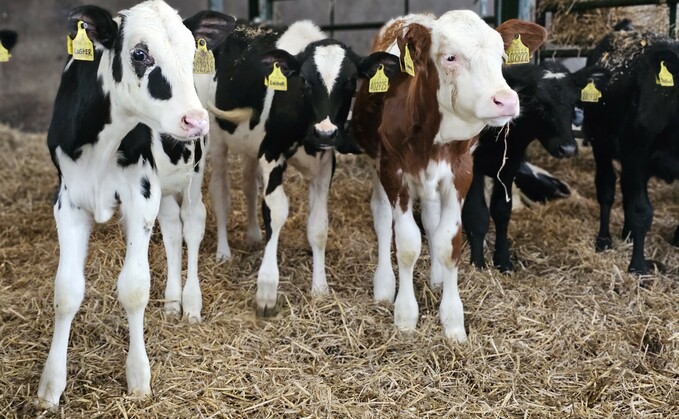
Calves are the future of any dairy or beef enterprise. A healthy heifer calf today becomes tomorrow’s milk producer, while a well-raised bull calf can become a strong beef animal or breeding sire. Mistakes in the first few months, however, can cause stunted growth, repeated illness or even death, which makes early care one of the most important parts of livestock farming.
For beginners, the good news is that calf rearing follows clear, practical steps. If you focus on colostrum, hygiene, feeding and health, you can avoid most of the common losses and build a strong foundation for your herd.
Prepare before the calf arrives
Preparation begins before birth. Provide a clean, dry, well-ventilated calving area with fresh bedding, and keep a basic kit ready, including clean towels, disinfectant, iodine for the navel, a thermometer, feeding bottle or bucket and the phone number of a vet. Make sure the cow is well fed in late pregnancy, since her nutrition affects the calf’s birth weight and colostrum quality.
Observe the cow closely as calving approaches. Most births happen without help, but if labour drags on or the calf is positioned wrongly, call a veterinarian instead of pulling forcefully. Delay can cost both the calf and the cow.
Colostrum: The first and most important feed
Colostrum is the first milk produced after calving. It contains antibodies that protect the calf from disease, because calves are born with very little natural immunity. The calf should drink colostrum as soon as possible after birth, ideally within the first few hours, and should receive enough in the first day of life.
Make sure the calf stands and suckles. If the calf is weak or the cow refuses, milk the cow and feed the colostrum using a clean bottle or tube under guidance. Clean equipment matters, since dirty feeding tools can introduce harmful bacteria. Good colostrum feeding is one of the strongest predictors of calf survival.
Navel care and early hygiene
The navel is an open doorway for germs during the first days. Dip it in iodine or a recommended antiseptic soon after birth, and check it daily for swelling or discharge. Keep bedding clean and dry, remove wet or dirty straw regularly and avoid overcrowding.
Wash and disinfect feeding buckets, bottles and teats after every use. Many calf illnesses, especially diarrhoea, come from dirty equipment or damp housing. Good hygiene costs very little compared with treatment and losses.
Feeding milk and introducing solid feed
After colostrum, calves are fed whole milk or milk replacer in measured amounts, usually two or three times a day depending on your system and advice from your vet or nutritionist. Feed at regular times, keep milk at the right temperature and avoid sudden changes in quantity or type. Overfeeding or feeding cold, dirty milk can cause digestive upsets.
From the first week or so, provide fresh, clean water and offer good-quality calf starter feed and soft hay to encourage the rumen to develop. Water is often overlooked, yet calves that drink clean water eat more starter and grow faster. Wean gradually once the calf is eating enough solid feed, rather than stopping milk suddenly.
Housing and comfort
Calves need a dry, draught-free but well-ventilated pen. Provide bedding such as dry grass or straw, shade from the sun and protection from rain and cold. Individual pens or hutches for young calves reduce the spread of disease, and group housing can follow once they are older and stronger.
Allow enough space to move and lie down comfortably. Clean the pens regularly and rest them occasionally to break disease cycles. Good ventilation prevents respiratory problems without exposing calves to cold winds.
Health care and disease prevention
Watch your calves every day. Signs of trouble include dullness, poor appetite, diarrhoea, coughing, nasal discharge, swollen joints or a hot navel. Early treatment saves lives, so call a vet when something looks wrong instead of waiting.
Follow a vaccination and deworming plan recommended by your veterinarian, and control ticks and flies since they spread diseases. Isolate sick calves to protect others. Keep records of births, weights, treatments and vaccinations to track progress and spot patterns.
Growth, w eighing and records
Healthy calves should grow steadily. Use a weigh band or scale to monitor growth, and compare results with the targets for your breed. Slow growth may point to feeding or health problems that need attention. Mark each calf with an ear tag or number and record its parentage, which helps you decide which heifers to keep for breeding.
Common beginner mistakes to avoid
Typical mistakes include late or insufficient colostrum, dirty feeding equipment, overfeeding milk, ignoring water, poor housing hygiene and delayed treatment. Another is buying weak calves of unknown origin without checking their health. Avoid these by following a simple routine, asking for advice and learning from experienced farmers and vets.
Successful calf rearing relies on good basics: early colostrum, clean housing and equipment, steady feeding, regular observation and prompt veterinary support. Beginners who master these steps can raise strong, healthy calves that grow into productive animals and form the backbone of a profitable livestock enterprise.

Author: Moureen Koech
Moureen Koech is a passionate Digital Journalist, an adept Agribusiness Writer with a keen eye for news and an impactful story-teller,whose stories provide key value to Agripreneurs and stakeholders in the Agricultural sector


