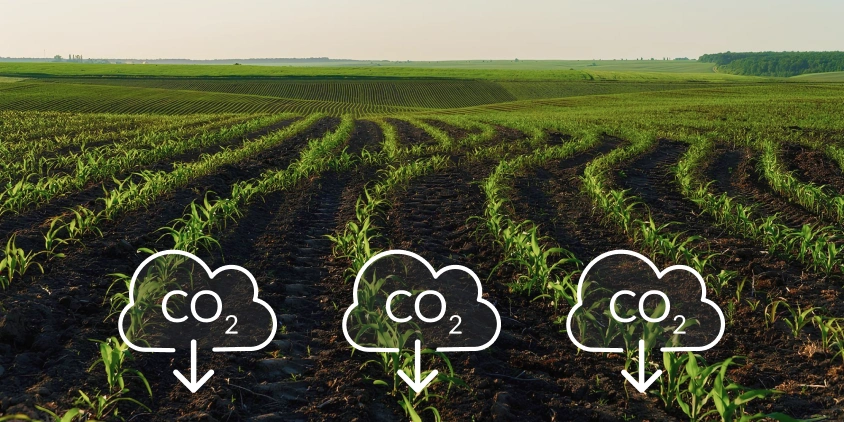
As the world intensifies efforts to combat climate change, agriculture is emerging as a key player in reducing carbon emissions. Carbon credit farming is a rapidly growing agribusiness opportunity that allows farmers to earn income while adopting environmentally friendly practices. By capturing and storing carbon in soils and vegetation, farmers can generate carbon credits and sell them to companies looking to offset their emissions.
This innovative model not only supports climate action but also creates a new revenue stream for farmers, making sustainability both practical and profitable.
What is carbon credit farming?
Carbon credit farming refers to agricultural practices that reduce greenhouse gas emissions or remove carbon dioxide from the atmosphere. When farmers implement these practices, they can earn carbon credits, tradable certificates that represent a specific amount of carbon removed or avoided.
One carbon credit typically equals one metric ton of carbon dioxide reduced or sequestered. These credits can be sold in carbon markets to corporations, organizations or governments that need to offset their environmental impact.
This system creates a win-win situation: farmers earn extra income while contributing to global climate goals.
How carbon credit farming works
The process of carbon credit farming involves several key steps. First, farmers adopt practices that increase carbon storage or reduce emissions. These may include conservation tillage, agroforestry, cover cropping and improved pasture management.
Next, the farm’s carbon impact is measured and verified. This is done using specialized tools, satellite data, and soil testing to estimate how much carbon is being stored or emissions reduced. Independent verification bodies ensure that the results are accurate and credible.
Once verified, carbon credits are issued and registered in carbon markets. Farmers can then sell these credits to buyers, generating additional income alongside their regular agricultural activities.
Practices that generate carbon credits
Several farming practices can help generate carbon credits. One of the most common is conservation agriculture, which minimizes soil disturbance and helps retain organic matter. This increases the soil’s ability to store carbon over time.
Agroforestry is another effective method. By integrating trees into farming systems, farmers can capture carbon in both soil and biomass. Trees also provide additional benefits such as shade, improved soil fertility and alternative income sources.
Cover cropping involves planting crops that protect and enrich the soil between main growing seasons. These crops absorb carbon dioxide and improve soil health, making them a valuable tool for carbon farming.
Rotational grazing and improved livestock management can also reduce emissions and enhance carbon sequestration in grasslands.
Benefits of carbon credit farming
One of the biggest advantages of carbon credit farming is the opportunity to diversify income. Farmers are no longer limited to selling crops and livestock; they can also earn from environmental services.
This approach also improves soil health. Practices like reduced tillage and cover cropping increase organic matter, enhance soil structure, and boost water retention. Healthier soils lead to better crop yields and resilience against drought.
Carbon credit farming also supports climate change mitigation. Agriculture is a significant source of greenhouse gas emissions, but it also has the potential to become a major carbon sink. By adopting sustainable practices, farmers can play a vital role in reducing global emissions.
In addition, participation in carbon markets can improve access to funding and partnerships. Many organizations are willing to support farmers who commit to sustainable practices.
Challenges facing carbon credit farming
Despite its potential, carbon credit farming comes with challenges. One major issue is the complexity of measurement and verification. Accurately estimating carbon sequestration requires advanced technology and expertise, which may not be readily available to all farmers.
The cost of participation can also be a barrier. Farmers may need to invest in new practices, equipment, or certification processes before they can start earning credits.
Another challenge is market access. Carbon markets are still developing in many regions, including parts of Africa. This can make it difficult for farmers to find reliable buyers or receive fair prices for their credits.
There is also the issue of long-term commitment. Carbon credit projects often require farmers to maintain sustainable practices for several years to ensure the carbon remains stored.
Opportunities for farmers in Africa
Carbon credit farming presents significant opportunities for farmers in Kenya and across Africa. The continent has vast agricultural land and a strong potential for carbon sequestration. With the right support, farmers can tap into global carbon markets and benefit financially.
Governments, NGOs and agritech companies are increasingly promoting carbon farming initiatives. These programs provide training, technical support, and access to markets, making it easier for farmers to participate.
Smallholder farmers, who form the backbone of African agriculture, can particularly benefit from these programs. By adopting simple practices like cover cropping and agroforestry, they can improve productivity while earning additional income.
The future of carbon credit farming looks promising as demand for carbon offsets continues to grow. Companies worldwide are committing to net-zero emissions, creating a strong market for carbon credits.
Advancements in technology, such as satellite monitoring and digital platforms, are making it easier to measure and verify carbon sequestration. This will improve transparency and trust in carbon markets.
As awareness increases, more farmers are likely to adopt carbon farming practices. This shift will not only boost incomes but also contribute to a more sustainable and resilient agricultural sector.
Carbon credit farming is transforming agriculture by linking environmental sustainability with economic opportunity. By adopting climate-smart practices, farmers can generate carbon credits, improve soil health, and increase resilience to climate change.
While challenges such as cost and market access remain, ongoing innovations and support systems are making it easier for farmers to participate. For forward-thinking farmers and agribusiness entrepreneurs, carbon credit farming offers a powerful way to build a profitable and sustainable future.

Author: Moureen Koech
Moureen Koech is a passionate Digital Journalist, an adept Agribusiness Writer with a keen eye for news and an impactful story-teller,whose stories provide key value to Agripreneurs and stakeholders in the Agricultural sector