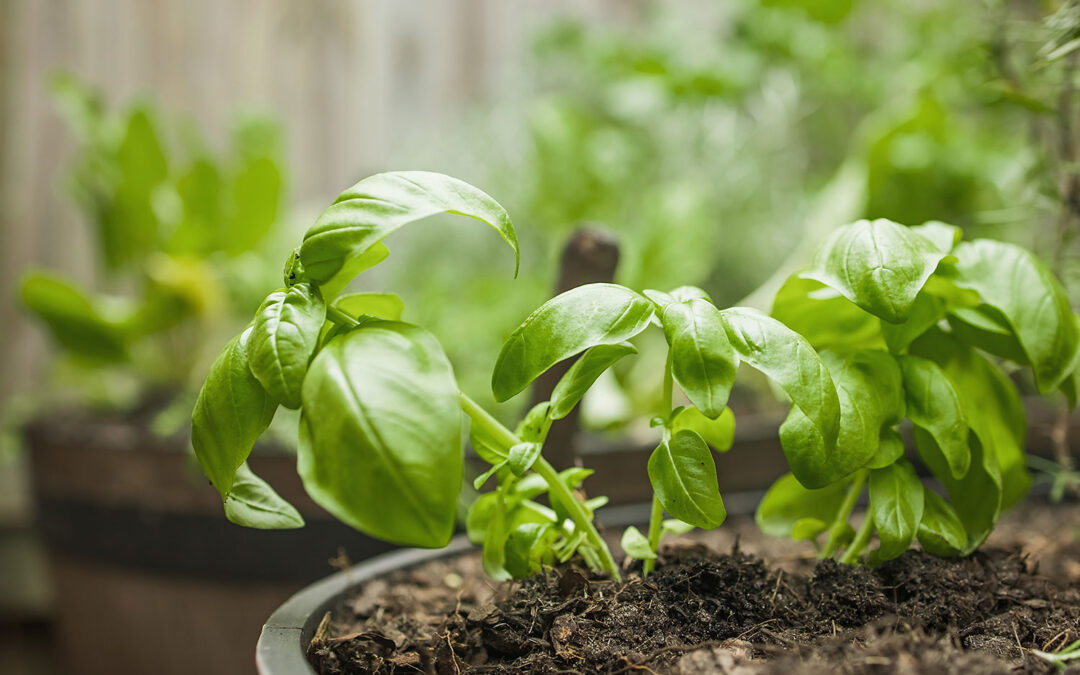
Medicinal plants farming is gaining global attention as demand for natural remedies, herbal products and alternative medicine continues to rise. From traditional healing systems to modern pharmaceutical industries, medicinal plants play a crucial role in healthcare. For farmers and agribusiness entrepreneurs, this sector offers a unique opportunity to combine profitability with sustainability.
With increasing awareness of organic living and natural health solutions, medicinal plant farming is becoming one of the most promising high-value agricultural ventures, especially in regions like Kenya where climate conditions support diverse plant species.
What is medicinal plants farming?
Medicinal plants farming involves the cultivation of plants that have therapeutic properties and are used in the treatment and prevention of diseases. These plants are rich in bioactive compounds that can be processed into herbal medicines, essential oils, supplements, and cosmetic products.
Common examples include aloe vera, moringa, neem, chamomile, ginger, turmeric and basil. These plants are used in various forms such as teas, extracts, powders, and oils, making them highly versatile in the market.
Unlike conventional crops, medicinal plants often require specialized cultivation practices to preserve their active compounds and ensure high quality.
Why medicinal plants farming is profitable
One of the biggest advantages of medicinal plants farming is the growing global market. The demand for herbal products, organic medicines, and natural cosmetics has surged in recent years. Consumers are increasingly shifting away from synthetic drugs and embracing plant-based alternatives.
Medicinal plants also fetch higher prices compared to many traditional crops. Even small-scale farmers can generate significant income by focusing on high-demand species. Additionally, some plants, like aloe vera and moringa, have multiple uses, allowing farmers to tap into different markets.
Another key benefit is low input costs. Many medicinal plants are hardy, drought-resistant and require fewer chemical inputs. This reduces production costs and increases profit margins.
Suitable Medicinal Plants to Grow in Kenya
Kenya offers favorable climatic conditions for a wide range of medicinal plants. Aloe vera is one of the most popular options due to its high demand in the cosmetic and pharmaceutical industries. It is easy to grow and requires minimal maintenance.
Moringa, often referred to as a “super plant,” is another excellent choice. Its leaves, seeds, and oil are highly valued for their nutritional and medicinal benefits.
Ginger and turmeric are also profitable crops with strong demand in both local and export markets. They are widely used in food, medicine, and wellness products.
Other viable options include neem, basil, rosemary, and lemongrass. Farmers can choose plants based on their local climate, soil conditions, and market demand.
How to start medicinal plants farming
Starting a medicinal plants farm requires careful planning and research. The first step is selecting the right plant species based on market demand and environmental conditions. Farmers should also consider the availability of buyers and processing facilities.
Soil preparation is crucial. Most medicinal plants thrive in well-drained, fertile soils with good organic matter. Organic farming practices are highly recommended to maintain the purity and quality of the plants.
Propagation methods vary depending on the plant. Some are grown from seeds, while others are propagated through cuttings or seedlings. Proper spacing, irrigation, and weed control are essential for healthy growth.
Farmers should also pay attention to harvesting techniques. Medicinal plants must be harvested at the right stage to preserve their active ingredients. Post-harvest handling, including drying and storage, plays a significant role in maintaining quality.
Value Addition in medicinal plants farming
Value addition is key to maximizing profits in medicinal plants farming. Instead of selling raw materials, farmers can process their products into higher-value items.
For example, aloe vera can be processed into gels, juices, and skincare products. Moringa leaves can be dried and ground into powder for supplements. Essential oils can be extracted from plants like lemongrass and rosemary.
Packaging and branding also enhance market appeal. Well-packaged products can attract premium prices in both local and international markets.
Farmers can also explore direct sales through online platforms, health stores, and export markets.
Challenges in medicinal plants farming
Despite its potential, medicinal plants farming comes with challenges. One major issue is lack of market information. Farmers may struggle to identify reliable buyers or understand market requirements.
Quality standards are also critical. Medicinal plants must meet strict safety and quality regulations, especially for export markets. This requires proper training and adherence to good agricultural practices.
Another challenge is limited access to processing facilities. Without proper processing, farmers may be forced to sell raw products at lower prices.
Pests and diseases can also affect medicinal plants, although many are naturally resistant. Proper management practices are necessary to minimize losses.
The future of medicinal plants farming
The future of medicinal plants farming is bright, driven by increasing demand for natural health products and sustainable agriculture. As more people prioritize wellness and eco-friendly lifestyles, the market for herbal products will continue to expand.
In Kenya and across Africa, there is significant potential to grow this sector. With proper support, training, and investment, farmers can tap into both local and global markets.
Government initiatives and private sector involvement are also helping to promote medicinal plant farming through research, funding and market access.
Medicinal plants farming is a powerful agribusiness opportunity that combines profitability with sustainability. With rising demand for natural remedies and herbal products, farmers can benefit from high-value markets while contributing to healthier communities.
By choosing the right plants, adopting good farming practices and focusing on value addition, farmers can build successful and sustainable businesses. While challenges exist, the long-term benefits make medicinal plants farming a worthwhile investment for the future of agriculture.

Author: Moureen Koech
Moureen Koech is a passionate Digital Journalist, an adept Agribusiness Writer with a keen eye for news and an impactful story-teller,whose stories provide key value to Agripreneurs and stakeholders in the Agricultural sector