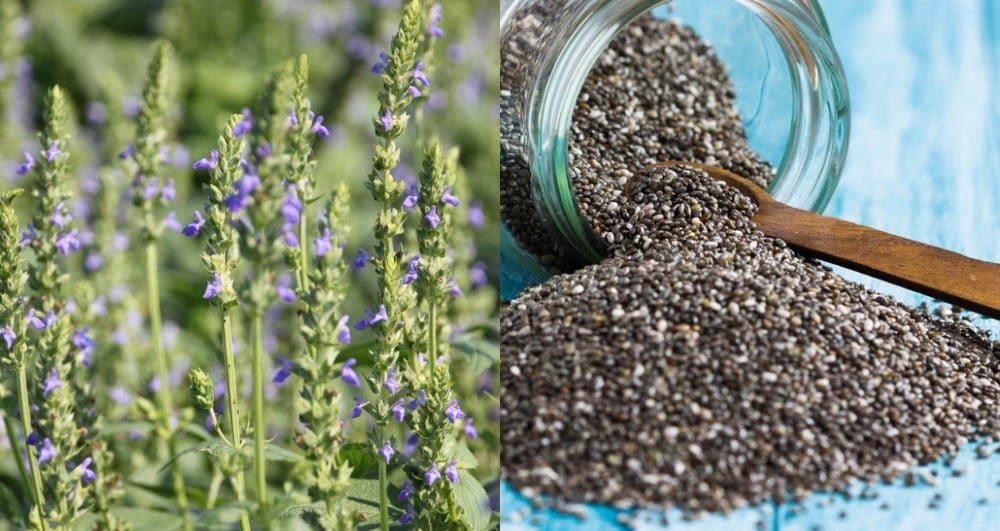
Chia seed farming is becoming increasingly popular as global demand for healthy and nutritious foods continues to rise. Chia seeds are widely known for their high nutritional value and are considered one of the most profitable emerging crops in modern agriculture. With growing awareness of healthy diets, many farmers are exploring chia farming as a promising agribusiness opportunity.
Chia seeds are rich in fiber, protein, omega-3 fatty acids, and antioxidants, making them highly valuable in food processing and export markets. For farmers looking to diversify into high-value crops, chia seed farming offers strong income potential and increasing market demand.
What are chia seeds?
Chia seeds come from the plant Salvia hispanica, which belongs to the mint family. The crop is mainly grown for its small edible seeds that are commonly added to smoothies, cereals, yogurt, and baked products.
Chia plants are hardy and adaptable to different climatic conditions. They produce small flowers that eventually develop into seed heads containing numerous tiny seeds.
Due to their health benefits and rising popularity worldwide, chia seeds are now considered a valuable cash crop for farmers.
Importance of chia seed farming
Chia farming offers several advantages to farmers. One major benefit is the growing demand for chia seeds in local and international markets. Health-conscious consumers continue to seek nutritious foods, increasing the value of chia products.
Chia farming also:
- Requires relatively low maintenance
- Performs well in dry conditions
- Has good profit potential
- Supports crop diversification
With proper management, farmers can achieve attractive returns from small pieces of land.
Climate requirements for chia farming
Chia grows best in warm climates with moderate rainfall. The crop performs well in areas with temperatures ranging between 16°C and 26°C.
Excessive rainfall and waterlogging can negatively affect growth and seed quality. Chia is relatively drought-tolerant once established, making it suitable for semi-arid regions.
Farmers should select areas with adequate sunlight because the crop requires good light exposure for healthy growth and flowering.
Soil requirements
Chia seeds grow best in well-drained, fertile soils rich in organic matter. Sandy loam and loamy soils are generally ideal for production.
Poor drainage can lead to root diseases and reduced yields. Soil pH should preferably range between slightly acidic and neutral conditions.
Before planting, farmers are encouraged to conduct soil testing to determine nutrient levels and improve soil fertility where necessary.
Land preparation
Proper land preparation is important for successful chia farming. The land should be cleared of weeds and cultivated thoroughly to create a fine seedbed.
Good land preparation improves:
- Seed germination
- Root development
- Water infiltration
Organic manure or compost can be added during land preparation to improve soil fertility and structure.
Planting chia seeds
Chia seeds are usually planted directly into the field. Farmers should use certified, high-quality seeds to improve germination rates and crop performance.
Seeds are planted shallowly because they are very small. Proper spacing is important to allow adequate air circulation and reduce competition among plants.
Planting is often done at the beginning of the rainy season to ensure sufficient moisture for seed germination and early growth.
Water management in chia farming
Although chia is relatively drought-tolerant, adequate moisture is essential during germination and early growth stages. Irrigation may be necessary in areas with insufficient rainfall.
Overwatering should be avoided because excessive moisture can encourage fungal diseases and root rot. Good drainage is important throughout the growing season.
Efficient water management helps improve seed quality and overall crop productivity.
Weed control
Weeds compete with chia plants for nutrients, water, and sunlight. Proper weed management is especially important during the early growth stages when the crop is still establishing.
Farmers can control weeds through:
- Manual weeding
- Mulching
- Proper spacing
Keeping fields clean helps improve crop growth and increases yields.
Fertilizer application
Chia plants generally require moderate nutrient levels for healthy growth. Organic fertilizers such as compost and manure are commonly recommended because they improve soil fertility naturally.
Balanced fertilizer application supports strong plant growth, flowering, and seed production. Excessive nitrogen fertilizer should be avoided because it may encourage excessive vegetative growth at the expense of seed formation.
Pest and disease management
Chia farming is relatively resistant to many pests and diseases compared to some other crops. However, farmers should still monitor fields regularly for signs of insect attacks or fungal infections.
Good farming practices such as crop rotation, proper spacing, and field sanitation help reduce disease risks. Eco-friendly pest control methods are encouraged to maintain seed quality and environmental sustainability.
Flowering and seed development
Chia plants produce small flowers that later develop into seed heads. Flowering usually occurs several weeks after planting depending on the variety and environmental conditions.
During seed development, farmers should monitor moisture levels carefully to support proper maturation and avoid stress that may reduce yields.
Healthy flowering is essential for good seed production.
Harvesting chia seeds
Chia seeds are ready for harvest when the flower heads dry and turn brown. Farmers should harvest carefully to reduce seed loss because chia seeds are very small and lightweight.
Harvesting can be done manually or mechanically depending on farm size. After harvesting, seeds should be dried properly before storage to prevent mold growth and quality deterioration.
Proper post-harvest handling is important for maintaining market value.
Marketing opportunities for chia seeds
Chia seeds have a growing market in the health food industry. They are used in:
- Breakfast cereals
- Smoothies
- Health drinks
- Baking products
- Nutritional supplements
Farmers can sell chia seeds locally or target export markets where demand for superfoods continues to rise.
Value addition through packaging and branding can also increase profits.
Challenges in chia seed farming
Despite its profitability, chia farming also faces some challenges. Limited farmer awareness, lack of quality seeds, and fluctuating market prices can affect production.
Weather conditions such as excessive rainfall may also reduce yields and seed quality. Farmers need proper training and market research before starting commercial production.
Chia seed farming is emerging as a highly profitable agribusiness opportunity due to the increasing demand for healthy and nutritious foods. The crop is relatively easy to manage, drought-tolerant and suitable for farmers seeking high-value alternatives.
With proper soil preparation, good water management, quality seeds and effective crop care, farmers can achieve strong yields and good profits from chia farming. As global interest in superfoods continues to grow, chia seeds offer promising opportunities for sustainable agricultural income and export business growth.

Author: Moureen Koech
Moureen Koech is a passionate Digital Journalist, an adept Agribusiness Writer with a keen eye for news and an impactful story-teller,whose stories provide key value to Agripreneurs and stakeholders in the Agricultural sector